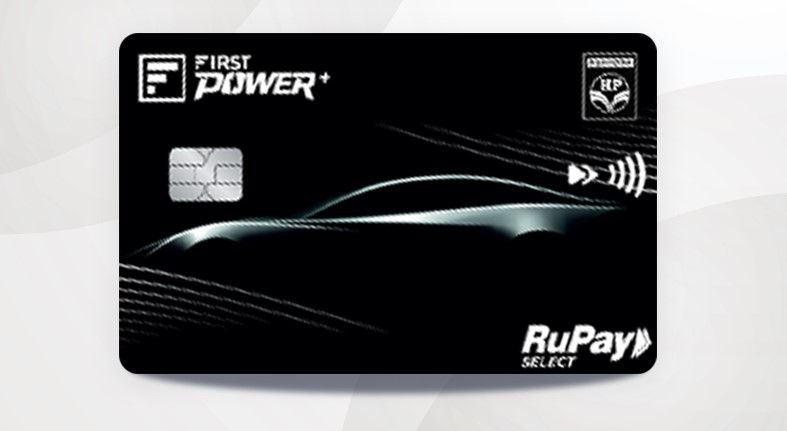
Who this card is for
IDFC First Power Plus is built for commuters and fuel-heavy users who fill up at HPCL pumps regularly. The ₹2.5L income bar is accessible, and salaried plus self-employed applicants are both welcome. The card suits gig workers driving for Uber or Ola, delivery riders, and anyone with a two-wheeler or car commute that pushes monthly fuel spend above ₹3,000. Its RuPay network adds genuine UPI compatibility, which is meaningful for daily users. FASTag rechargers will appreciate the 5% cashback tier. We'd skip this card for users who rarely buy fuel or who primarily fuel at non-HPCL pumps (Indian Oil, BPCL), since the fuel accelerator is HPCL-specific. Online shoppers, lounge seekers, and premium card hunters should look elsewhere; this card has no lounge access and its online reward rate is limited to UPI spends.
What you earn
Reward structure is category-focused and specific. Base earning is 1 reward point per ₹100, valued at ₹0.25 per point, giving a 0.25% baseline. The fuel accelerator is the headline: HPCL pumps earn 26X points per ₹100, translating to roughly 6.5% savings on fuel spends. That's one of the highest fuel cashback rates available in the Indian market. The calculation is typically split as 6.5% across reward points plus fuel surcharge waiver plus promotional add-ons. FASTag recharges earn 20X (5% cashback), which is excellent for highway commuters. UPI spends earn at 12X (3X on UPI specifically, roughly 0.75% effective), which is competitive. A welcome bonus of reward points on activation adds modest value. A worked example: a user with ₹4,000 monthly HPCL fuel spend, ₹1,000 monthly FASTag recharge, and ₹5,000 of monthly UPI spends earns roughly ₹260 on fuel, ₹50 on FASTag, and ₹37 on UPI. Total monthly cashback reaches roughly ₹350, or ₹4,200 annually, concentrated in a narrow use case. Non-fuel, non-UPI, non-FASTag spends fall to the 0.25% base rate, which is weak. Redemption happens through the IDFC First rewards portal with vouchers from major retail partners. Statement-credit redemption dilutes value. Are HPCL pumps universally available? Mostly yes in major cities but check your regular refuel route before applying, since other oil companies don't qualify for the accelerated rate.
| Category | Rate | Detail |
|---|---|---|
| fuel | 26× | 6.5% fuel savings at HPCL pumps |
| bill payments | 20× | 5% cashback on FASTag recharges |
| online | 12× | 3X reward points on UPI spends |
| Default earn rate | 1× | All other eligible retail spends |
Fees, plainly
Joining fee is ₹499 and annual fee is also ₹499, with a waiver on ₹1,50,000 of annual spend. That ₹12,500 monthly threshold is reachable for commuters who route fuel, bills, and some groceries through the card. GST adds roughly ₹90 to billed fee, taking effective cost to ₹590. The fuel savings alone easily cover the fee for users with ₹3,000+ monthly HPCL spend: ₹2,340 annual fuel cashback on that spend level is nearly four times the fee. Finance charges follow IDFC First's standard at 3.49% per month, which is competitive. Cash advance fees are harsh. Forex markup is 3.5%. Fuel surcharge waiver at HPCL pumps is built into the card's reward design rather than being a separate 1% waiver bracket, which is a cleaner implementation than peers. Add-on cards are issued free. The card is a niche specialist. For the right user (HPCL-loyal commuter), it delivers strong value; for general users, the limited reward coverage outside fuel makes the fee harder to justify. We'd recommend it only if fuel genuinely dominates monthly spend.
| Joining fee | ₹499 |
| Annual fee | ₹499Waived on annual spend of INR 1,50,000+ |
The good and the not-so-good
What works
- 6.5% savings at HPCL fuel pumps on ₹26 points per ₹100
- 5% cashback on FASTag recharges
- 3X reward points on UPI spends via RuPay rail
- ₹1.5L waiver threshold is reachable for target users
- Fuel surcharge waiver built into reward design
What it costs you
- Fuel benefit is HPCL-specific, not applicable at other oil companies
- 0.25% base rate is very weak for general spending
- No lounge access at any tier
- Narrow use case limits broader utility