Updated 2026-05-16. The ₹8–15 lakh income tier recommendation has been revised after SBI Cashback's April 1, 2026 devaluation, which halved the online cashback sub-cap to ₹2,000/cycle. The new primary recommendation for that tier is HDFC Millennia.
A credit card that fits a software engineer earning ₹6 lakh a year is rarely the right card for a senior manager earning ₹20 lakh. Income drives both eligibility and spend pattern, and the cards that pay best at the entry tier underperform once your monthly spend crosses certain thresholds. We mapped the active cards in our catalogue against three common salary brackets so you can match the right card to your real income.
How salaried spending typically breaks down
Across the salaried readers we serve, the spend mix is fairly consistent.
- Online shopping: 25 to 40% of card spend, dominated by Amazon, Flipkart, Myntra, and Tata CLiQ
- Food delivery and dining: 15 to 25%, mostly Swiggy and Zomato
- Fuel: 5 to 10%, depending on whether the household runs one or two vehicles
- Travel: 10 to 20%, weighted toward festive holidays and family visits
- Utilities, rent, insurance: 15 to 25%, often via standing instructions
- Everything else: groceries, entertainment, subscriptions, miscellaneous
The cards that pay the most are the ones whose accelerated categories overlap your top three buckets. Since utilities and rent are excluded from most cashback structures, the real battleground is online shopping, food delivery, and travel.
Annual fee waivers matter more than headline rates for salaried users
This is the unintuitive piece. Most professional households earn back the annual fee through cashback alone within three to four months. The bigger lever is the spend gate that triggers a fee waiver, because hitting the gate means the card is effectively free for the year.
Three thresholds dominate the market right now:
- ₹1,00,000 of annual spend covers the HDFC Millennia, Kotak League Platinum, and SBI SimplyCLICK
- ₹2,00,000 of annual spend covers the SBI Cashback (the Axis Flipkart needs ₹3,50,000)
- ₹2,50,000+ of annual spend covers the Axis Privilege Visa and most premium tier cards
If you spend ₹10,000 a month on a card, you clear the ₹1L gate and the next year is fee-free. If you spend ₹17,000 a month, you clear ₹2L. Plan around the gate, not around the headline rate.
₹5 to 8 lakh annual income
At this band, almost every entry-level card is open to you. Eligibility minimums for most active cards in our catalogue start at ₹3 lakh income. The two cards that consistently outperform are:
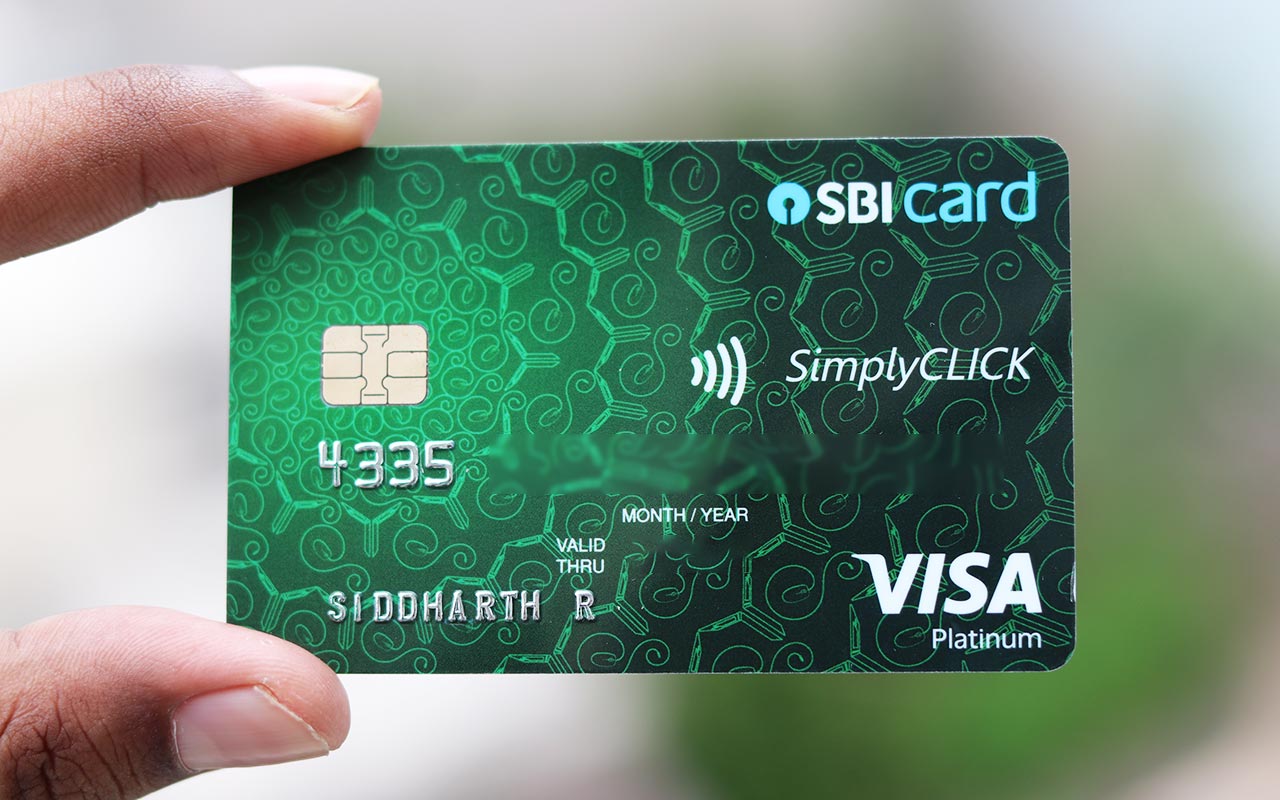
SBI SimplyCLICK at ₹499 joining and ₹499 annual fee. 10X reward points on Amazon, Cleartrip, Lenskart, and Netmeds. 5X on other online spends. The default rate is 1 reward point per ₹100, valued at around ₹0.25 per point. The welcome bonus of 500 reward points plus a ₹500 Amazon voucher essentially refunds the joining fee. The ₹1,00,000 fee waiver gate is comfortable for almost any active user. This is the strongest entry-level card we recommend right now.
HDFC Millennia at ₹1,000 joining and annual fee. 5% on ten named merchants (Amazon, Flipkart, Myntra, Swiggy, Zomato, Uber and four more), 1% on everything else. 8 domestic lounge visits a year, but milestone-gated at ₹1 lakh of spend per quarter. The 1,000-CashPoint monthly cap means heavy spenders should pair this with a second card. The ₹1L fee waiver is easy.
What to skip at this tier: any card with an annual fee above ₹1,500 or a fee waiver gate above ₹2 lakh. The math rarely works at this income level.
₹8 to 15 lakh annual income
Eligibility expands to mid-tier cards, and the spend pattern usually justifies a two-card setup: a primary cashback card for online and a secondary card for travel or dining.
Primary recommendation: HDFC Millennia at ₹1,000 joining and annual fee. 5% on ten named merchants (Amazon, Flipkart, Myntra, Swiggy, Zomato, Uber and others) and 1% on everything else — there is no middle tier. 8 domestic lounge visits a year, milestone-gated. The 1,000-CashPoint monthly cap on the 5% rate is a real ceiling, and spend above the cap keeps the blended rate meaningful for users spending ₹40,000+/month online. The ₹1,00,000 fee waiver gate is the lowest in this tier and almost certain to clear.
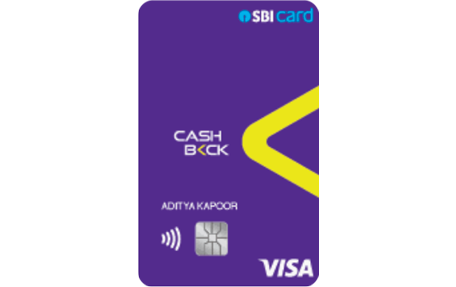
This recommendation changed in May 2026. Through April, SBI Cashback was our primary pick for this income band on the strength of its ₹5,000 monthly cap. After SBI's April 1, 2026 devaluation split that cap into ₹2,000 online plus ₹2,000 offline sub-caps, the online sub-cap binds at ₹40,000/month of online spend — exactly the volume this income band typically hits — and the case for SBI as the primary weakened sharply. See our SBI Cashback devaluation post for the underlying math.
Secondary recommendation: Axis Flipkart at ₹500 annual fee. 5% on Flipkart and Myntra, 4% on preferred merchants. The 4% rate on Swiggy alone is enough to justify the card for any household ordering food regularly. Annual fee waiver at ₹2 lakh of spend, which is straightforward when used as a secondary card for the categories above.
Consider SBI Cashback only if your online spend exceeds ₹40,000/month and concentrates on non-Millennia partners (Tata CLiQ, BookMyShow, MakeMyTrip, Reliance Digital). For that narrow profile, SBI still earns more than the Millennia, by roughly ₹6,000–₹10,000/year before lounge value. For everyone else in this income band, the Millennia is the better fit.
Three cards in the wallet is the practical limit for tracking spend categories without losing money to misrouted transactions.
₹15 lakh annual income and above
At this income, the conversation shifts from cashback rates to lounge access, travel benefits, and welcome bonuses. The fee tier you can comfortably absorb climbs to ₹2,000 to ₹3,000 a year on a primary card, and the right card pays back several multiples of that fee in benefits.
The Axis Privilege Visa at ₹1,500 annual fee gives 12,500 EDGE points (worth around ₹2,500) on ₹2.5 lakh of annual spend. The card includes 8 domestic and 2 international Priority Pass visits. For a senior salaried professional whose travel is partly business and partly family holidays, this card frequently pays for itself in lounge value alone.
The Tata Neu Infinity HDFC at ₹1,499 annual fee fits households that already use Tata brands heavily. 10% NeuCoins on Tata Neu app spends and 5% on Tata partners (BigBasket, Croma, Tata CLiQ, 1mg, Westside) is a meaningful rate if a substantial share of your monthly spend already routes through these merchants. Fee waiver at ₹3 lakh, which is achievable at this income.
The trap to avoid: chasing super-premium cards (annual fees of ₹10,000 or more) before you have the spend pattern to justify them. Most ultra-premium cards have spend gates of ₹6 lakh to ₹10 lakh a year for fee waivers, and the benefits over the ₹1,500 tier are heavily back-loaded. A salaried professional earning ₹18 lakh and spending ₹3 lakh a year on cards is better served by a ₹1,500 card whose waiver they will hit than a ₹10,000 card whose waiver they will not.
A useful checkpoint: at ₹15 lakh+ income, the cashback you earn becomes a smaller share of your overall financial picture than the time you spend managing cards. If a card requires manual point redemption, voucher selection, or constant attention to capping rules, factor in the friction cost. A card that pays ₹500 a year less but redeems automatically as statement credit is often the better choice for someone with a packed work schedule.
What to do this month
Three steps cover most salaried readers.
- Pull a year of credit card statements and tally your top five categories. Identify the three you spend the most on, then look for cards with accelerated rates on those three.
- Calculate your achievable annual spend. Pick a card whose fee waiver gate is at most 70% of that number.
- Cap yourself at two or three cards. More than that introduces tracking overhead that erodes the cashback you earn.
We list every active card on PickMyCard with its eligibility, fees, and waiver thresholds. Filter by your category mix and income, and the right card is usually one of two or three options, not a long list.
Sources


Frequently asked
What is the minimum income required to apply for most cards in this guide?
Eligibility minimums for the entry-tier cards in our catalogue start at ₹3 lakh annual income. Mid-tier cards usually require ₹5 to ₹8 lakh, and premium cards like the Tata Neu Infinity HDFC require ₹12 lakh. Income proof is the first underwriting filter at most issuers.
How many credit cards should a salaried professional hold?
Two or three is the practical limit. A primary cashback card for online spend, a secondary card aligned to one strong category like dining or travel, and at most one free card for a specific niche such as lounges. More than three introduces tracking overhead that erodes the cashback earned.
Do utility bills and rent count toward fee waiver thresholds?
Most issuers exclude rent paid through aggregators, utility bills routed through specific aggregators, fuel, and wallet loads from qualifying spend. The exclusion list sits in the schedule of charges for each card and varies between issuers.
At what income does a premium card start paying for itself?
Cards with annual fees above ₹2,000 typically need ₹2.5 lakh or more of annual spend to clear the waiver gate, which usually maps to a household income of ₹15 lakh and above. Below that, the entry-tier cards at ₹500 to ₹1,000 of fee almost always return more cashback per rupee of fee paid.
Are ultra-premium cards with ₹10,000-plus annual fees worth considering at this income range?
Rarely. Most ultra-premium cards have spend gates of ₹6 lakh to ₹10 lakh a year for fee waivers, and the benefits over the ₹1,500 tier are heavily back-loaded. A salaried professional spending ₹3 lakh a year is better served by a card whose waiver gate they will actually hit.
Card devaluations, reward maths, and rate changes the day they land.
Follow on X
Reader comments
No comments yet. Share your experience with this card below — the first useful comment helps every reader after you.
Comments are moderated before they appear. Share your real experience with a card — what worked, what didn't, what the bank told you. We don't publish promotional content, referral links, or personal financial details. Keep it useful for other readers.