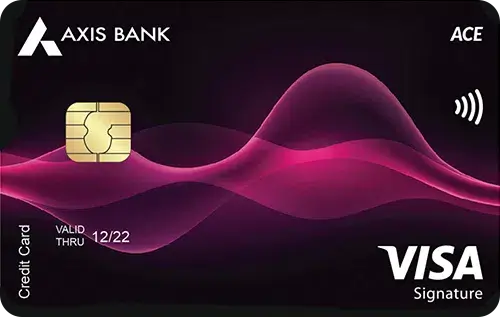
Is the Axis Ace still the best bill-payment card in India? In 2020 the answer was an easy yes. In 2026, after a base-rate cut, a tightening cap, and a quiet reshuffle at the cards that used to undercut it, the answer is narrower: yes, but only for a specific kind of cardholder, and partly because one of its main rivals just lost a chunk of its bill-pay rate.
What the Ace pays in 2026
The headline rates are easy to remember. Bill payments routed through Google Pay earn 5%. Spends at Swiggy, Zomato, and Ola earn 4%. Everything else qualifies for a base 1.5%. Joining and annual fees both sit at ₹499 plus GST, with the annual fee waived on ₹2 lakh of spend in the prior year, a gate most target users clear by mid-year.
Two things to flag at the rate-sheet level. First, the 5% Google Pay rate only applies to utility bills routed inside the GPay app. Paying the same biller through the bank's portal earns the base 1.5%. Second, the 5% and 4% tiers share a single combined cap of ₹500 per month, not separate ceilings.
Lounge access has its own surprise gate. The four complimentary domestic visits a year are released only after ₹50,000 of spend in the previous three calendar months. A cardholder treating the Ace as a bills-only product will rarely clear that threshold.
Why the ₹500 cap is the whole story
The cap is the rate's real story. A cardholder paying ₹6,000 of GPay utilities and ₹4,000 of Swiggy and Zomato in a month maxes out the accelerated cashback at ₹500. Stretch the same spending up to ₹25,000 across bills and food and the effective rate on those categories collapses to roughly 2%, since every rupee past the cap earns the base 1.5% instead of the headline tier.
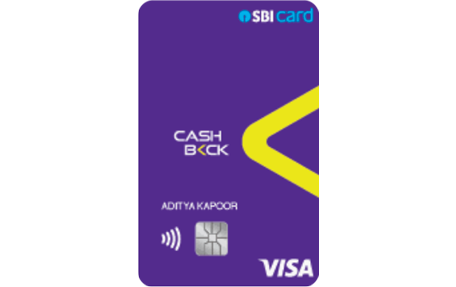
Against the SBI Cashback Card's ₹2,000 monthly online sub-cap (after the April 2026 restructure, with a ₹4,000 aggregate ceiling), the Ace's ₹500 limit is 4× lower on online and 8× lower on the aggregate. The base 1.5% on the Ace is uncapped, but a flat 1.5% is a no-fee-card rate, not a reason to pay ₹499 a year.
Watch the carve-outs. Rent, fuel, wallet loads, EMI conversions, and government payments are excluded entirely from any cashback. Cashback posts as direct statement credit in the next billing cycle, which is one piece of the experience that has stayed clean since launch.
The SBI Cashback question, and what April 2026 changed
For most of 2024 and 2025, the cleanest way around the Ace's ₹500 cap was simply to use a different card for bills. SBI Cashback paid 5% on online spends with a ₹5,000 monthly ceiling at the time, which made it a direct upgrade for anyone whose bill spend was already digital. (That ceiling was restructured down to a ₹2,000 online sub-cap on April 1, 2026 — the post-devaluation math is in the section below.) Several cardholders went a step further: buy an Amazon gift card on Amazon (treated as an online merchant transaction at 5%), load the balance into the Amazon Pay wallet, then pay the electricity or insurance bill from that balance. The cashback landed at the gift-card purchase step. The bill itself ran through the wallet, not the card, so the utility and insurance MCC exclusions on most cashback cards did not bite.
April 2026 changed that arithmetic. SBI added wallet-routed merchant payments, utility bill payments, and insurance to its exclusion list at the same time. Direct utility bills on the SBI Cashback card now earn 1% or nothing, not 5%. Whether the gift-card-to-wallet path still works case by case depends on how each issuer's MCC classification is reading Amazon gift-card purchases this quarter, and the trend across issuers is toward tighter classification rather than looser.
Net effect for the Ace: the card's narrow but reliable 5% on Google Pay bill-pay is more valuable in 2026 than it was in 2025, simply because the easy alternative is now harder to count on.
A personal note on cancelling this card
Editor's note: I held the Axis Ace from October 2020 through 2025. The notes that follow are first-person experience, not analysis.
I signed up at launch in October 2020. The 2% base rate plus a 5% tier on utility bills was the most generous structure available on a sub-₹500 entry-level card at the time, and for roughly four years the Ace sat as the daily-spend card in my wallet. Two things ended that run. The April 2024 base-rate cut to 1.5% was the first. The combined ₹500 cap was the second. On a typical month, my Swiggy and electricity-bill spend cleared ₹12,000, which meant everything past the first ₹500 of cashback was earning the same 1.5% I could get on a no-fee card.
Through 2025, I routed bill payments through the Amazon gift-card route on SBI Cashback. That made the Ace redundant in my wallet, so I called Axis to close the account. The retention team offered a lifetime-free conversion to keep me. I declined, partly because I was running a wallet cleanup, and partly because the cognitive load of remembering which spends still earned the headline rate had outlived the cashback the card was returning.
That call was specific to my 2025 spend pattern. It would not necessarily be the same call in May 2026 with SBI's utility exclusion now in place. A reader applying fresh today should ask the relationship manager about a lifetime-free offer at signup; the bank gives them out more readily than its public marketing suggests.
Where the Ace earns its slot
For a target user paying roughly ₹6,000 to ₹8,000 of monthly utilities through Google Pay with a modest food-delivery habit, the Ace clears its ₹499 fee with margin and pays close to ₹6,000 a year in cashback inside the cap. That is a real, if narrow, return.
For a household whose bill spend regularly exceeds ₹15,000 a month, the cap is the limiter, and the card is best held alongside a higher-cap online cashback product. For anyone exploring the Amazon Pay wallet workaround, treat it as a moving target after April 2026 rather than a settled strategy. Issuers tightened classification once this quarter; they will tighten again.
The Ace is no longer the entry-level cashback default it was at launch. It is a focused, single-purpose card whose narrow strength has held up while its rivals have been quietly trimmed.
Sources
Card devaluations, reward maths, and rate changes the day they land.
Follow on X
Reader comments
No comments yet. Share your experience with this card below — the first useful comment helps every reader after you.
Comments are moderated before they appear. Share your real experience with a card — what worked, what didn't, what the bank told you. We don't publish promotional content, referral links, or personal financial details. Keep it useful for other readers.