A waiver that triggers at ₹1 lakh of spend is free money for one household and a ₹999 trap for another. The number on the schedule of charges only tells you what the bank will do; whether that becomes a saving or a cost depends entirely on what you actually spend over the year, what spend the bank counts toward the threshold, and whether you would have spent that much on this card anyway.
Among the cards we cover most often, the HDFC Millennia, the SBI Cashback, the Axis Flipkart, and the SBI Card PRIME sit at four different waiver thresholds. The math behind each one is not the same, and the right answer for your wallet comes from a number you can compute from last year's bank statements in about ten minutes.
How fee waiver thresholds actually work
The waiver attaches to the annual fee, not the joining fee. In the first year you pay the joining fee plus the first annual fee at the time of issue. From year two onward, if your spend during the previous card-anniversary year crossed the threshold, the upcoming annual fee is reversed. Joining fees never get refunded.
What counts as qualifying spend is the part most cardholders miss. Banks routinely exclude rent paid through aggregators, wallet loads, fuel surcharge categories at pumps, EMI conversions, and cash advances. Some exclude utility bills paid via specific aggregators. Insurance and education fees may or may not count depending on the issuer. The schedule of charges document for your card is the canonical list, not the marketing page.
Crediting is automatic in most cases. SBI and HDFC reverse the fee in the statement following the anniversary cycle, typically within 60 days. If you cross the threshold and the waiver does not appear, a single call to the bank is usually enough to trigger it, assuming the underlying spend was indeed eligible.
The four cards, ranked by how realistic the threshold is
The HDFC Millennia waiver triggers at ₹1,00,000 of annual spend, roughly ₹8,400 a month. Most urban salaried readers cross this without thinking about it. If your monthly card-eligible spend on Amazon, Flipkart, Swiggy, and the rest already sits at or above ₹10,000, this fee is effectively waived in your hands.
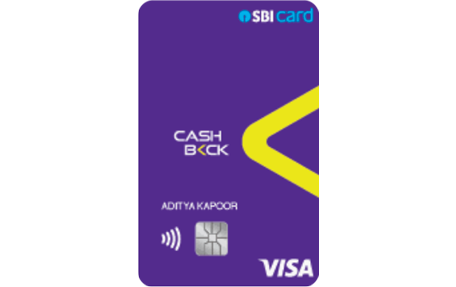
The SBI Cashback Card has a ₹2,00,000 waiver threshold, equivalent to ₹16,700 a month. (The Axis Flipkart card is often listed alongside it at ₹2,00,000; it is not — its gate is ₹3,50,000, or nearly ₹30,000 a month, which is a materially harder bar.) That is a more selective cohort. Households where the credit card carries a meaningful share of monthly spend (groceries online, food delivery, festive shopping, electronics replacements) usually clear this without strain. Households that lean on UPI for half their spend will fall short.
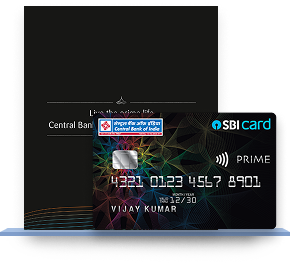
At the top of this list sits the SBI Card PRIME, with a ₹3,00,000 waiver threshold, or ₹25,000 a month of qualifying spend. Single-card households with consolidated family spending (groceries, dining, fuel, occasional travel) hit this comfortably. Anyone splitting spend across two or three cards rarely will.
A useful gut check: the waiver threshold reveals the issuer's view of their target customer. HDFC pricing the Millennia waiver at ₹1 lakh signals they expect a junior professional. SBI pricing PRIME at ₹3 lakh signals they expect a household running primary monthly spend through this single card.
When the waiver becomes a trap
The waiver flips into a trap in a few common patterns.
The most frequent is the excluded-category surprise. If a meaningful chunk of your monthly spend is rent, fuel, or utility bills routed through aggregators, your statement total may show ₹25,000 a month while your qualifying-spend total reads ₹12,000. You feel like you cleared the threshold; the bank's tally says otherwise. The fee posts. The disappointment is sharp because the math felt obvious.
Then there is the forced-overspend trap, particularly common on high-threshold cards like the SBI Card PRIME. A cardholder ₹40,000 short of the threshold in March starts hunting for big-ticket purchases to clear it. Buying a phone in March that you would have bought in July anyway is fine. Buying a phone in March that you did not need is a ₹30,000 expense to save a ₹2,999 fee. That math reverses very fast.
A subtler version is the marginal-spend trap at the threshold gate itself. The cashback or rewards earned on the last incremental spend rarely covers the fee being saved. Worse, if the marginal spend lands at the 1% default rate (because the eligible categories were already exhausted), the cardholder may be earning ₹100 of cashback to claim a ₹999 waiver, which only works because the spend was going to happen anyway.
How to model your break-even spend
Pull six months of bank and card statements. Add up everything that would qualify for the candidate card's accelerated rate, excluding rent, wallet loads, fuel, utilities, EMI conversions, and the card's published exclusion list. Multiply by two to annualise, then compare against the waiver threshold.
If the annualised qualifying spend is above the threshold, the waiver is realistic. The next question becomes: at this spend level, what cashback or rewards do you earn? Subtract the fee. If positive, the card pays for itself. If negative, the card costs more than it earns and the waiver is the only reason you break even.
A worked example helps. Take the HDFC Millennia at a ₹12,000 monthly online spend split across Amazon, Flipkart, and Swiggy. All three are on the card's ten-merchant 5% list, so the whole ₹12,000 earns 5% — ₹600 a month, comfortably under the 1,000-CashPoint monthly cap, or about ₹7,200 a year. Annual fee is ₹1,000, waived because ₹1,44,000 of spend crosses the ₹1 lakh threshold. Net position: the card pays roughly ₹7,200 a year and costs nothing. An easy yes. (Note the 5% only covers those ten merchants — spend anywhere else online earns 1%, not a middle rate.)
Run the same exercise on the SBI Card PRIME at ₹18,000 of monthly accelerated-category spend. Annual rewards earn roughly ₹5,400 in value (10 reward points per ₹100, each worth ₹0.25). Annual fee is ₹2,999, not waived because ₹2,16,000 of accelerated spend falls short of the ₹3 lakh threshold. Net position: the card pays you about ₹2,400 a year. Worth keeping, but a meaningful share of the gap to "really worth it" disappears because the waiver missed.
Calculate your break-even
Drag the slider to set a monthly spend. Net value is annual cashback minus the fee, with the waiver applied automatically when the spend clears the threshold.
- SBI Cashback
- Rewards
- ₹15,000/yr
- Fee
- ₹0✓ waived
- Net
Breaks even at ₹80,000/mo.
- HDFC Millennia
- Rewards
- ₹8,004/yr
- Fee
- ₹0✓ waived
- Net
- Axis ACE
- Rewards
- ₹4,500/yr
- Fee
- ₹0✓ waived
- Net
Breaks even at ₹33,334/mo.
Calculations assume the entire monthly spend earns the headline rate up to each card's cashback cap, and the annual fee waiver applies only when annualised spend clears the published threshold. First-year mode adds the joining fee.
A simple framework before you apply
Before pressing the apply button, run a short check.
Find your annualised qualifying spend on this card's accelerated categories using six months of past statements. Compare it against the waiver threshold. Estimate the cashback or rewards at that spend level using the published rates. Subtract the annual fee, applying the waiver only if the threshold cleared.
A card is worth holding if the result is positive. If it goes positive only because the waiver applied, the card is worth holding only just. If the result is negative even with the waiver applied, the card is not worth holding, which happens more often than the marketing pages suggest.
The waiver is a feature, not a verdict. Cards earn their place in your wallet by what they pay you on real spend, not by the fee they promised to forgive.
Sources


Frequently asked
What is a credit card fee waiver and how does it work?
The waiver attaches to the annual fee, not the joining fee. From year two onward, if your spend during the previous card-anniversary year crossed the issuer's threshold, the upcoming annual fee is reversed automatically. Joining fees are paid once at the time of issue and are never refunded.
Does rent or utility spending count toward the waiver threshold?
Most issuers exclude rent paid through aggregators, fuel surcharge categories, EMI conversions, wallet loads, and several utility-bill aggregators from qualifying spend. The schedule of charges document for the specific card is the canonical list, not the marketing page.
How quickly does the waiver appear after the spend threshold is crossed?
SBI and HDFC reverse the fee in the statement following the anniversary cycle, typically within 60 days. If the threshold cleared and the waiver does not appear, a single call to the bank is usually enough to trigger it, assuming the underlying spend was indeed eligible.
Is it worth overspending to clear the waiver threshold?
Almost never. Buying a phone in March that was already on the calendar for July is fine. Buying a phone in March that was not needed at all is a thirty-thousand-rupee expense to save a thousand-rupee fee. The waiver should reward spend that would have happened anyway, not create new spend to chase the gate.
Card devaluations, reward maths, and rate changes the day they land.
Follow on X
Reader comments
No comments yet. Share your experience with this card below — the first useful comment helps every reader after you.
Comments are moderated before they appear. Share your real experience with a card — what worked, what didn't, what the bank told you. We don't publish promotional content, referral links, or personal financial details. Keep it useful for other readers.