Most "lifetime free" credit card lists in India quietly mix two very different things: cards that genuinely have no fee written into the schedule of charges, and cards that issuers are temporarily letting you hold for free under a promotional banner. Once the promo ends, the second group reverts to a paid card and your wallet has to do the catching-up. This 2026 shortlist treats those as separate categories and sticks to the structurally free ones.
The PickMyCard catalogue currently lists thirteen cards that meet the structural lifetime-free test on the /cards/category/lifetime-free landing page. This post is the narrower editorial shortlist: the five cards we recommend most confidently based on verified data, real-world reward maths, and editorial review. The other eight pass the structural test but did not make this shortlist either because their accelerated category is too narrow, their issuance footprint is uneven, or the rewards math does not stand up next to the five below.
What "lifetime free" actually means on this site
A card has to clear four conditions, all visible in the issuer's published schedule of charges, before we will call it lifetime free:
- The joining fee is zero.
- The annual fee is zero.
- Neither fee is conditional on a spend threshold or a minimum-relationship requirement.
- Neither fee is described as "currently waived" or "limited period" or any other language signalling a promotional reversal.
The fourth condition is the one most published lists ignore. A card with a ₹2,499 annual fee that the issuer is temporarily holding at zero is not lifetime free, because the moment the promotional banner comes down the cardholder owes the structural fee. We separate those out and call them what they are: bonus opportunities while they last.
By that test, five cards in our active catalogue clear the bar in 2026. A sixth, the BOB Eterna, sits in the bonus-opportunity slot because it is currently free under BOB's Limited Period offer despite carrying a ₹2,499 structural fee. We cover it last and flag the asterisk.
The five structurally lifetime free cards
| Card | Network | Key benefit | Best for | Annual fee |
|---|---|---|---|---|
| Federal Scapia | Visa | Unlimited domestic lounge access (spend-conditional) | Frequent domestic flyers | ₹0 |
| Axis Neo RuPay | RuPay | 10% off Blinkit, BookMyShow, Myntra (capped) | Quick-commerce-heavy households | ₹0 |
| Kiwi | RuPay | 1.5% rewards on UPI scan-and-pay | UPI-first spenders | ₹0 |
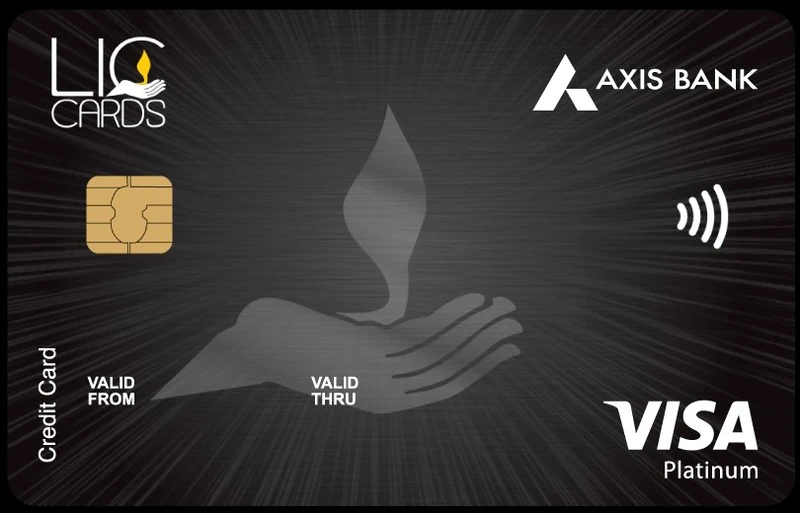
| Axis LIC Signature | Visa | 8 domestic lounge visits + LIC bonus | LIC policyholders earning ₹15L+ | ₹0 |
| Axis LIC Platinum | Visa | LIC premium reward bonus | LIC policyholders earning ₹5L+ | ₹0 |
Federal Scapia
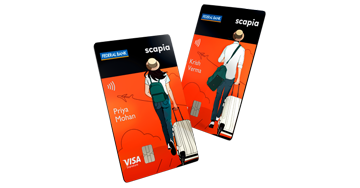
The Scapia is the strongest single use case in the lifetime free category: unlimited domestic airport lounge access, zero forex markup on international transactions, and 10% cashback as Scapia Coins on travel bookings made through the Scapia app. Coins redeem 1:1 for future travel. Minimum income is ₹3 lakh. The catch is that coin value is locked to the Scapia app and quietly fades if the cardholder does not book within twelve months, so it earns its keep best for someone taking at least two trips a year.
Axis Neo RuPay
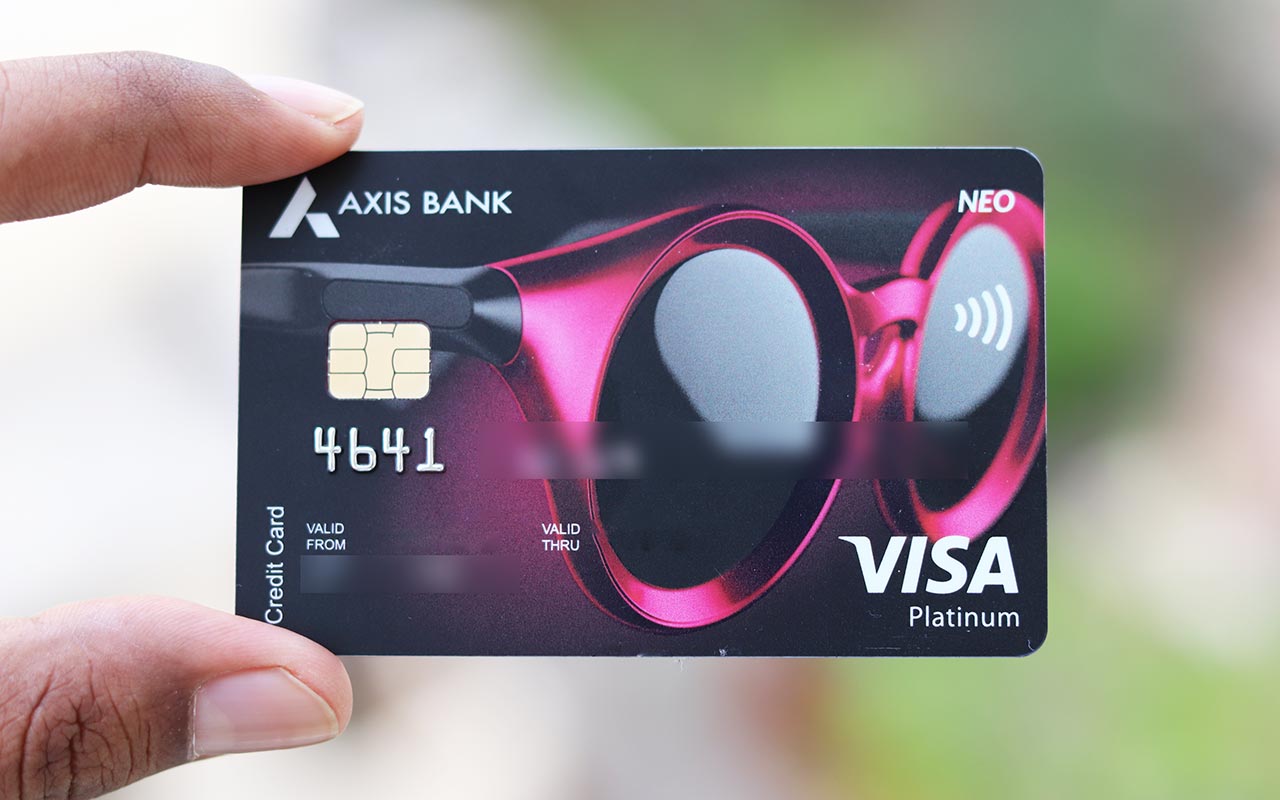
The Neo's accelerated rate is narrow but generous: 10% off on Blinkit, BookMyShow, and Myntra, capped at ₹500 of cashback a month. Everything else earns 1%. Because it is a RuPay card it works directly on UPI, which puts it in the small group where UPI spend earns rewards. Welcome vouchers worth ₹2,000 sit on top, and the ₹2.5 lakh income gate is the most accessible in this group. If household groceries already flow through Blinkit, the cap fills naturally and the card pays for itself many times over.
Kiwi
Most credit cards in India earn nothing on UPI scan-and-pay. Kiwi is one of the few that does, and that is its entire reason to exist. The base earn is 1.5% on UPI scan-and-pay (paid as Kiwis at ₹0.25 each) and 0.5% on online or collect-mode UPI. Fuel is excluded. Standard UPI exclusion categories also strip out telecoms, utilities, jewellery, rent, insurance, education, and government payments. Monthly Kiwis cap at 1% of the card credit limit and redeem in multiples of 500 directly to the linked bank account. Issuance is split across Yes Bank, AU Small Finance Bank, and PNB depending on the application path. The optional Neon membership at ₹999 plus taxes a year opens higher milestone tiers, but adding it means the card is no longer free, so it stays out of the lifetime free conversation here.
Axis LIC Signature
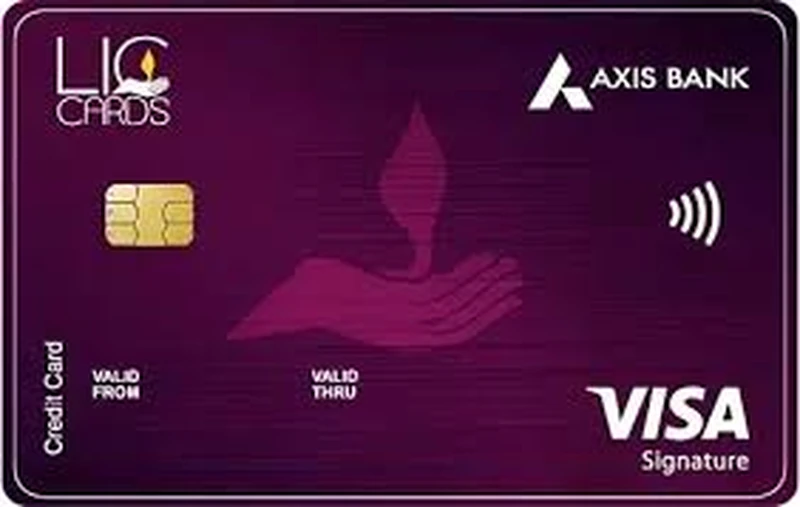
Two EDGE Reward Points per ₹100 on LIC premium payments, one point per ₹100 on everything else, each point worth ₹0.20. The reward maths on its own is unimpressive. The real reason to hold the Signature is the eight complimentary domestic lounge visits a year and a 20% dining discount across more than 4,000 partner restaurants, both of which carry weight at zero annual fee. Income eligibility is the highest in this list at ₹15 lakh. It earns its slot only for LIC policyholders who already clear that bar and want lounge access without paying for a premium travel card.
Axis LIC Platinum
Identical reward structure to the Signature: 2 EDGE points per ₹100 on LIC premiums, 1 point per ₹100 on everything else, ₹0.20 per point. No lounge visits. No welcome offer. The reason it exists in this list is the lower income bar (₹5 lakh against the Signature's ₹15 lakh). For an LIC policyholder under the higher gate who wants a cleanly free card to route policy premium payments through, the Platinum is the only sensible answer in the catalogue.
A bonus opportunity: BOB Eterna while the Limited Period offer holds
The BOB Eterna carries a ₹2,499 joining fee and a ₹2,499 annual fee on the published schedule of charges. Bank of Baroda is currently waiving both under a Limited Period offer with no announced end date. Structurally, the joining fee reverses on ₹25,000 of spend in the first 60 days and the annual fee reverses on ₹2.5 lakh of annual spend, but neither structural reversal needs to fire while the Limited Period banner is up.
The rewards engine is unusually generous for the no-fee tier: 15 reward points per ₹100 on online, travel, and dining, and 3 points per ₹100 on everything else. Points are valued at ₹0.25 each, which works out to 3.75% on the accelerated categories and 0.75% on the base, with no monthly cap on the headline rate. Minimum income is ₹5 lakh. The application route is more bank-branch-led than the digital HDFC and Axis pipelines, so existing Bank of Baroda customers will find it the easiest to obtain.
One important update as of June 2026: BoB has trimmed the Eterna twice, and both cuts land on the benefits that once set it apart. The 12-month FITPASS Pro membership bundled with the welcome stack, for many holders the single best reason to take the card, has been removed. Lounge access has been devalued in two steps as well: unconditional in 2024, gated at ₹40,000 of quarterly spend from January 2025, and now gated at a steep ₹75,000 a quarter. That is ₹3 lakh of card spend a year just to keep lounges live, so lounge access is no longer a reason to hold this card. What survives is the rewards rate, which is why the Eterna still works as an effectively-free accelerator for anyone who fills the online and travel categories. The premium-card shine, though, is gone.
The right way to hold the Eterna is as a bonus position while the promo holds: clear the ₹2.5 lakh structural spend threshold during your card year, and the card converts to genuinely free even if the Limited Period offer is later withdrawn. Below that spend, treat it as a paid product whose fees you are betting will keep getting waived.
Where to land if you only hold one
A wallet usually has room for two free cards alongside one paid primary, so the question is which two of these earn the slots.
For frequent flyers, the Scapia is non-negotiable. The unlimited lounge access alone is worth more than several paid travel cards charging ₹5,000 a year. For everyone else, the second slot turns on where monthly spend actually goes. UPI scan-and-pay-heavy users land at Kiwi. Quick-commerce-heavy households land at the Axis Neo. LIC policyholders running large premiums route those through whichever LIC variant matches their income bar.
Anyone genuinely shopping by absolute reward rate should hold off on the BOB Eterna until they are confident of clearing ₹2.5 lakh of annual spend, because once the Limited Period offer rolls back the math on a sub-threshold year is unkind. Until then, the five cards above are the only ones in our catalogue that meet the unconditional lifetime free standard.
Sources
Changelog
- 2026-06-12: Updated the BOB Eterna section for its 2026 devaluation. The 12-month FITPASS Pro welcome perk was removed and the lounge spend gate rose from ₹40,000 to ₹75,000 per quarter, so lounge access no longer counts as a reason to hold the card. Corrected the earlier "four complimentary lounge visits" line to reflect the gated-unlimited model.
Frequently asked
What does 'lifetime free' actually mean on a credit card?
We hold a card to four conditions before calling it lifetime free: zero joining fee, zero annual fee, neither fee tied to a spend threshold or relationship requirement, and neither fee described as 'currently waived' or 'limited period' in the schedule of charges. The fourth condition is what separates structurally free cards from temporarily-waived ones.
Is the BOB Eterna a lifetime free card?
No. The Eterna carries a ₹2,499 joining fee and a ₹2,499 annual fee on the published schedule of charges, currently waived by Bank of Baroda under a Limited Period offer with no announced end date. The structural fees return the moment the offer is withdrawn, so we treat the Eterna as a bonus opportunity, not a lifetime free card.
Can a lifetime free card later become a paid card?
An issuer can revise the schedule of charges at any time. In practice, the structurally lifetime free cards in our catalogue have held their fee structure for several years, while promotionally-waived cards are reclassified routinely. The four-condition test above is the protection against being caught by a later reversal.
How many lifetime free cards should a wallet hold?
Two free cards alongside one paid primary is the standard wallet setup. Free cards earn their slot when their accelerated category overlaps with where monthly spend already goes, not by stacking redundant rewards. Holding more than three cards introduces tracking friction without proportional cashback gain.
Card devaluations, reward maths, and rate changes the day they land.
Follow on X
Reader comments
No comments yet. Share your experience with this card below — the first useful comment helps every reader after you.
Comments are moderated before they appear. Share your real experience with a card — what worked, what didn't, what the bank told you. We don't publish promotional content, referral links, or personal financial details. Keep it useful for other readers.