The home loan rate offered to a 28-year-old with five years of clean credit history is meaningfully better than the rate offered to a 28-year-old with no credit history at all, even when their salary, bank balance, and employer are identical. The number that drives that gap (CIBIL score) is built up slowly, one statement cycle at a time, by people using credit responsibly. Someone who waits until they need a loan to think about credit starts that climb at zero; someone who started a card the month they joined their first job has a four-year head start.
That head start is the single strongest argument for getting a credit card during the first salaried months of a career. The other arguments (better fraud protection than debit, structured rewards on routine spend, and the discipline of reading a statement every month) are real but secondary. None of those alone justify the card. Together they tilt the answer firmly toward yes, get one early.
Why your first credit card is mostly about your future home loan
Banks pricing a home loan look at two things: repayment capacity and repayment history. The first comes from salary slips and bank statements. The second comes from the CIBIL score, a number built up over years out of how an applicant has handled credit cards, personal loans, EMI products, and any loans cosigned for family.
A 25-year-old with no credit footprint has no CIBIL score at all in the relevant sense. The bureau marks them NH (No History), and lenders treat that as an unknown rather than as good. Opening a credit product opens the file. Six to nine months later, with a few clean statement cycles, a real score appears, and every paid-on-time month nudges it up.
By the time the same person is 30 and looking at a home loan, the score is what banks underwrite against. Two applicants with the same salary and the same down payment, one with a high CIBIL score and one with a fresh file, will receive different rate quotes. Even a small difference translates into more than a lakh rupees of extra interest over a typical 20-year tenure on a mid-sized home loan. That is the cost of starting credit late.
The cheapest way to build that history is a card used lightly and paid in full every month. A modest ₹2,000 to ₹5,000 of monthly spend, run through the card and cleared the day the statement arrives, keeps the file active and the score climbing. No high limit, accelerated rewards, or premium product is required.
The discipline a credit card forces, used right
The case against credit cards for new earners usually goes: cards make it too easy to overspend, debit and UPI keep you honest, ergo wait. There is real evidence behind the worry. A meaningful share of first-time cardholders carry a balance into the next cycle within their first year, and once interest starts compounding at the carrying rates banks charge on revolving credit, the rewards earned are dwarfed by the cost.
The actual rule for first-time cardholders is narrower: never spend on a credit card what is not already sitting in the bank account at the moment of swipe. The card is a settlement instrument, not a borrowing one. Spend tracking and statement review on a credit card are far cleaner than the equivalent process on a debit card, where the money simply leaves and is forgotten. A credit card statement arrives once a month with every transaction listed by category. Reading it for ten minutes is the closest most early-career professionals come to a structured monthly budget review.
This is also the discipline that protects the credit score being built. A late payment, even by a few days, can knock a meaningful chunk off the score and stays on the bureau record for two years. A single missed payment in year one will undo most of the work the card was supposed to do. Set the bill on autopay for the full statement amount the day after the statement generates, and the trap mostly closes itself.
A useful mental model: the card's monthly limit is ceremonial; the real budget is the bank balance. The card is just the route by which spend gets logged, rewards get earned, and the credit file stays alive.
What credit cards add that debit and UPI cannot
A credit card layers a few real benefits on top of any spend that a debit card or UPI would have processed. None of them is large in isolation; they compound over the year.
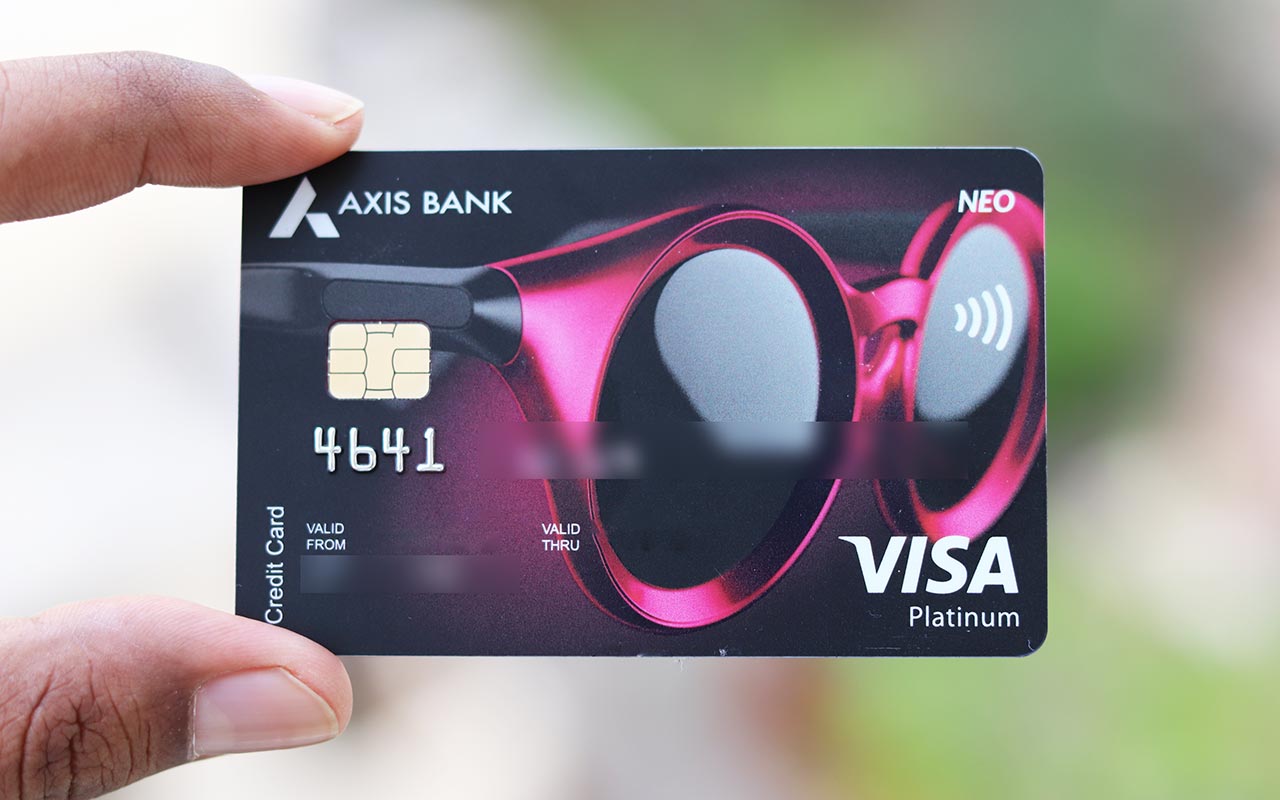
Rewards on routine spend. Even basic lifetime free cards return roughly one to two percent on the online and offline spending most early-career professionals already do. On ₹15,000 to ₹25,000 a month of card-routed spend, that translates to a few thousand rupees a year of cashback or vouchers, real money that did not exist when the same spend went through a debit card. Specific cards layer accelerated categories on top: 10% off on Blinkit, BookMyShow, and Myntra on the Axis Neo RuPay; 20% back as Scapia Coins on travel bookings through the Federal Scapia; 1.5% on UPI scan-and-pay on the Kiwi RuPay.
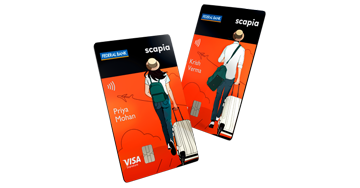
Lounge access on a card that should not, on paper, offer it. The Federal Scapia gives an Airport Privilege credit (₹1,000 at metro airports, ₹500 at non-metro) usable at lounges, spas, dining, and shops at domestic airports during any billing cycle in which card spend crosses ₹20,000. That is a perk that historically sat on cards charging ₹2,500 to ₹10,000 a year. On a lifetime free card, it changes the math of an occasional flight at Bangalore or Mumbai airport.
Stronger fraud protection than a debit card, in practice. RBI rules limit a cardholder's liability on a fraudulent transaction tightly when the report is prompt, and the protection applies to both debit and credit cards on paper. The practical difference is whose money is at risk while the dispute resolves. A fraudulent debit transaction leaves the bank account today and may take weeks to refund. A fraudulent credit transaction is a line item on the next statement that the cardholder disputes before paying. For someone whose entire emergency fund sits in a single salary account, that distinction is not academic.
How to pick your first card
The right first card is whichever lifetime free card matches the spend the cardholder already does. A few rules of thumb work well for most readers in their first one or two salaried years.
Start with a structurally lifetime free card, not a "promotional waiver" version. A fee-free card removes the only valid reason a first-time cardholder would ever close it. Closing a card hurts the credit score more than most people realise, because it shortens the average account age and reduces the total credit limit on file. The first card is meant to stay open for years, so the fee structure should make that effortless.
Match the card to where the spend already goes. Someone who buys most of their groceries on Blinkit and most of their movies on BookMyShow gets meaningful value from the Axis Neo RuPay's accelerated rates at those merchants. The Kiwi RuPay rewards anyone who runs most of their UPI through their phone, paying a flat 1.5% on UPI scan-and-pay. The Federal Scapia is the right pick for someone who flies even three times a year domestically, given its airport privilege credit and zero forex markup.
Do not chase a premium card before the credit history exists. Issuers underwrite premium cards more strictly, and most first-job applicants will be approved for a lifetime free card and rejected, or offered a low limit, on a premium one. Six to twelve months of clean repayment on the lifetime free card opens the door to upgrades the issuer suggests itself.
Set the bill on autopay for the full statement amount on day one. Ninety seconds in the issuer's app removes the single most common way new cardholders damage their score: a card paid late once a year will undo most of the score gain from the prior eleven on-time months.
A first credit card does not need to be glamorous, premium, or even particularly rewarding. It needs to be active, paid on time, and held for years. Any of the lifetime free cards above will do that job. The only mistake is waiting until the home loan application window to start.
Sources
Frequently asked
When should someone start their first credit card after joining a job?
We would open the first card within the first three to six months of a salaried role. The CIBIL score is built one statement cycle at a time, so an early start gives the score four or five years to climb before a home loan or auto loan application turns up.
Will a credit card hurt my CIBIL score in the first year?
Not if the bill is cleared in full every month. The score takes six to nine months to register meaningfully on a fresh file, and a card paid on time every cycle pushes that score upward steadily. A single late payment will undo most of that gain, which is why setting full-amount autopay on day one is the most important step.
How much should be spent on a first credit card each month?
Modest amounts are enough. Two to five thousand rupees a month, run through the card and cleared the day the statement arrives, keeps the file active and the score climbing. There is no benefit to using a higher limit beyond what already sits in the bank account.
Should the first credit card be closed after upgrading to a better one?
Closing the first card hurts the score because it shortens the average account age and reduces the total credit limit on file. A structurally lifetime free first card is meant to stay open for years, even after a primary card has been added, so the fee structure should make holding it effortless.
Card devaluations, reward maths, and rate changes the day they land.
Follow on X
Reader comments
No comments yet. Share your experience with this card below — the first useful comment helps every reader after you.
Comments are moderated before they appear. Share your real experience with a card — what worked, what didn't, what the bank told you. We don't publish promotional content, referral links, or personal financial details. Keep it useful for other readers.