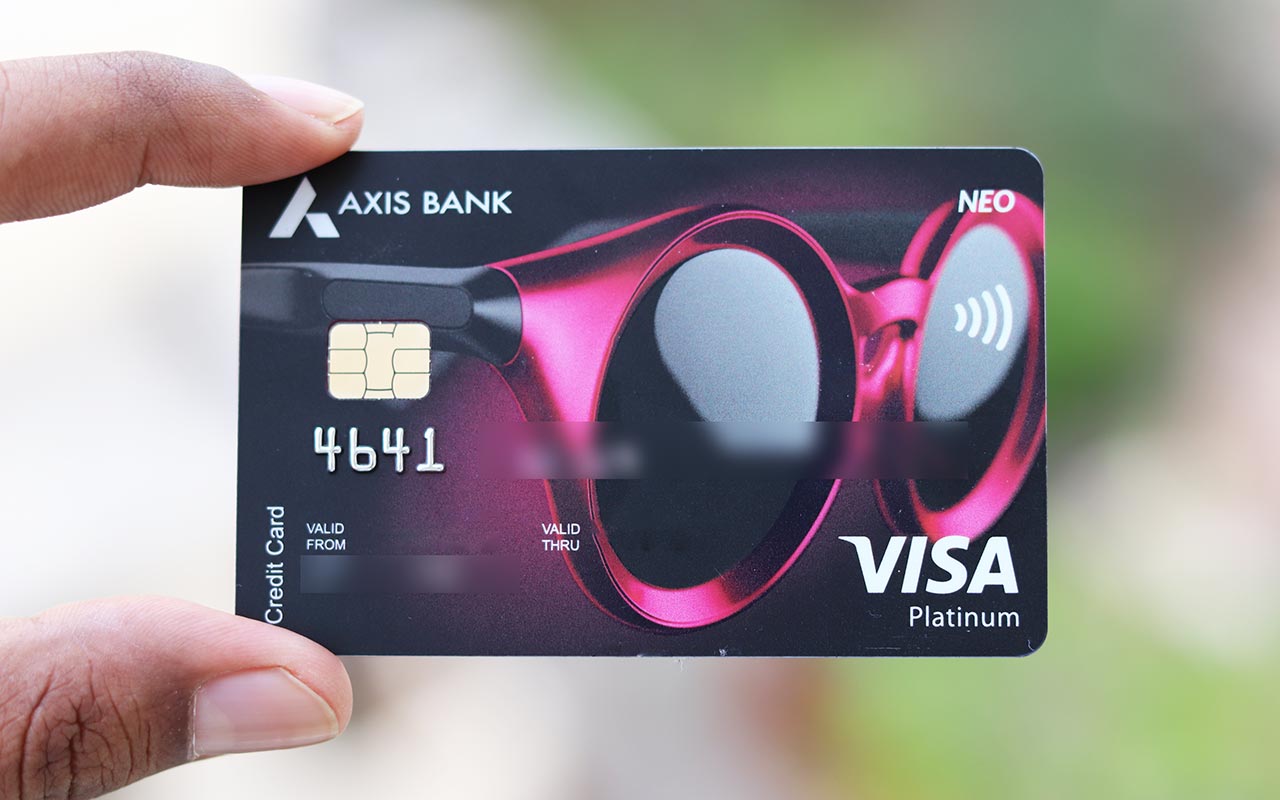
Who this card is for
We'd point Axis Neo RuPay at digital-first users in metros who order Blinkit groceries weekly, watch movies on BookMyShow, or shop Myntra during sales. UPI-heavy users will appreciate that the card supports direct UPI payments, putting it in the small set of cards where UPI spends earn rewards. The ₹2.5L income bar makes it one of the more accessible lifetime-free cards in the market, suitable for college graduates and first-jobbers. Salaried and self-employed applicants both qualify. It's the wrong fit for anyone whose spend doesn't concentrate on the three named merchants, since the broader cashback rate falls to 1%. Frequent flyers wanting lounges should look at the Axis MyZone or higher tiers instead.
What you earn
Axis Neo's reward design is deliberately narrow. Three merchants get the headline rate: Blinkit, BookMyShow, and Myntra all earn 10% off, which translates to a 10% effective discount up to a monthly cashback cap of ₹500. Every other spend earns 1% cashback. The ₹500 monthly cap means the 10% rate maxes out at ₹5,000 of qualifying spend per month, so heavy Blinkit users will hit the ceiling fast. A regular Blinkit shopper running ₹4,000 a month on groceries earns ₹400 each month, totalling ₹4,800 a year. Add the occasional Myntra haul during End of Reason Sale and the BookMyShow ticket here and there, and the cap is generally hit comfortably. Welcome benefits include vouchers worth ₹2,000, which front-loads year-one value. UPI payments earn at the 1% base rate, which is one of the better returns on UPI-eligible cards in 2026. Most issuers either exclude UPI or cap rewards heavily. Axis has been consistent here. A meaningful exclusion list: rent, fuel, wallet loads, and gift cards earn nothing. Education and insurance fall to 0% as well. Are these exclusions deal-breakers? For most users, no, since the daily-essentials use case stays intact. Reward crediting happens monthly on the statement and there's no manual redemption to navigate. A worked scenario: a Mumbai-based user runs ₹3,500 weekly Blinkit orders averaging ₹14,000 monthly groceries, books two BookMyShow tickets a month at ₹400 each, and shops Myntra during End of Reason Sale for ₹5,000. Cashback on Blinkit alone hits ₹500 (the cap), Myntra contributes another ₹500 in the sale month, and BookMyShow adds ₹80. Annual yield easily lands above ₹6,000 for that profile, which is excellent for a no-fee product. UPI usage on a typical urban day adds another ₹400 to ₹800 of yearly cashback. Compare that to Pixel Go's flat 1% on ₹14,000 of Blinkit orders, where the same Blinkit spend would yield only ₹140 of cashback per month rather than the capped ₹500.
| Category | Rate | Detail |
|---|---|---|
| online shopping | 10% | 10% off on Blinkit, BookMyShow, Myntra |
| others | 1% | 1% cashback on all other spends |
| Default cashback rate | 1% | All other eligible spends |
| Monthly cashback cap: ₹500 | ||
Getting the most out of the ₹500 monthly cap
The ₹500 monthly cashback cap means your benefit from this card maxes out once you spend ₹5,000 in the accelerated category each month. At 10% cashback on online shopping, that is the breakeven point where every additional rupee earns less.
In practice, if you push more than ₹5,000 of online shopping spend through this card in a calendar month, the rupees above the cap drop to the default cashback rate of 1%. The card is at its strongest when your online shopping spending lines up close to the cap rather than blowing past it. If your monthly spend in this category is consistently double the breakeven, a second card with a separate cap is usually the better setup.
The fee structure
There is no joining fee, no annual fee, and no fee revival mechanism, making Axis Neo RuPay one of the very few genuinely free credit cards on a RuPay network with UPI support. That's a meaningful structural advantage. Every cashback rupee is net gain. The card issues digitally via the Axis Mobile or Axis Pay app within a few business days of approval, with physical card delivery following. Cashback is credited as direct statement credit each cycle, with no minimum redemption threshold and no handling charge, which is cleaner than HDFC's CashPoints model. Finance charges on revolving balances sit at 3.75% per month, which is on the higher end of the market. Cash advance fees are the standard 2.5%. Forex markup is 3.5%, ruling out international travel use. The 1% fuel surcharge waiver applies between ₹400 and ₹4,000 per transaction. Even a light user holding the card just for Blinkit orders comes out ahead, since there's no break-even cost to recover. We'd argue the only real cost is the time spent setting up UPI on the RuPay rail, which is a one-time exercise via the BHIM, PhonePe, or Google Pay apps. Add-on cards are issued free of charge. Card replacement is also free for the first instance and ₹100 thereafter. Late payment fees follow the standard Axis tier structure starting at ₹500 for outstanding balances above ₹500.
| Joining fee | ₹0Lifetime free |
| Annual fee | ₹0Lifetime free |
Strengths and trade-offs
What works
- Genuinely lifetime free with no fee revival
- 10% off on Blinkit, BookMyShow, and Myntra
- UPI payments earn 1% on the RuPay rail
- Welcome vouchers worth ₹2,000 front-load year-one value
- Direct cashback to statement, no redemption headaches
What it costs you
- ₹500 monthly cap on the 10% tier limits heavy users
- Only three merchants qualify for the accelerated rate
- No lounge access at all
- 1% on UPI is fine but not category-leading