₹0Lifetime Free Cards
HomeCardsOnline Shopping Credit Cards
Category · Online Shopping · India

Cards that pay back for online spend.

Cards advertising accelerated rewards on online spend, after caps and exclusions land.

24 cards in this categoryLast verified 09 Jul 2026Updated monthlySkip to cards

23 active cards position themselves around online retail rewards. The headline-rate dispersion is wide, from 1 percent on a flat-rate card with no cap to 5 percent on a category card with a tight monthly ceiling. The real differentiator is the merchant-coverage definition. A card that pays 5 percent on “all online merchants” often excludes utilities, education fees, government services, and wallet loads. We classified each card by which merchant types qualify and which are excluded, so the realised rate on your actual spend pattern can be checked before applying.


24 cards matching filterSorted by editorial fit
How to choose

Read the exclusions, not the headline.

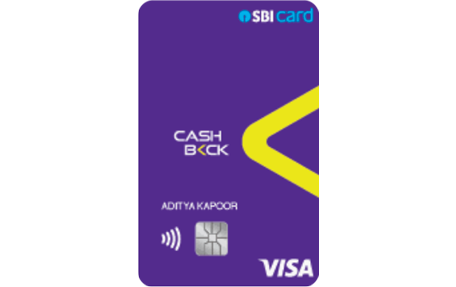
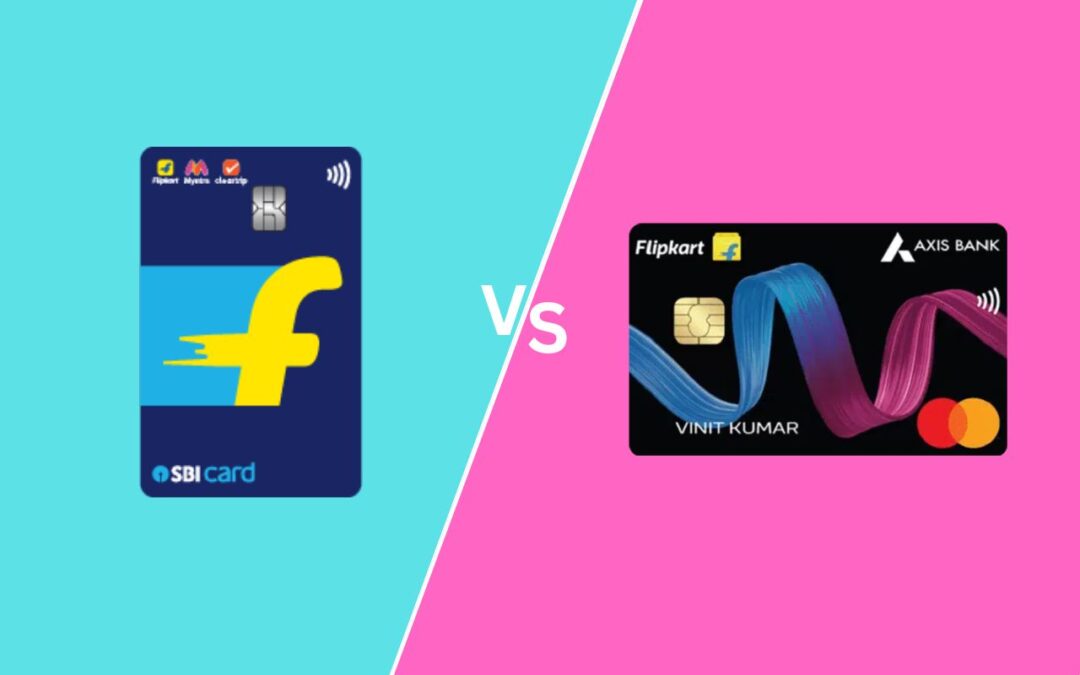
Online-shopping reward terms run wider than fuel or travel because the merchant universe is bigger. Start with the question of what your ₹30,000 a month actually pays for. If it concentrates on Amazon and Flipkart, a cobranded card (Flipkart Axis, Amazon Pay ICICI) returns the highest realised rate. If it spreads across smaller D2C brands and bill payments, a general 5 percent card with a wide merchant definition (SBI Cashback, HDFC Millennia) wins. Wallet loads almost always sit in the exclusions list.

FAQ

Common questions

01Do online-shopping cards count Amazon, Flipkart, and Myntra at the same rate?
Only if the card is a general “all online merchants” card. The cobranded cards exclude the rival platform: Flipkart Axis pays accelerated rewards on Flipkart and Myntra but not on Amazon, and Amazon Pay ICICI pays accelerated on Amazon and excludes Flipkart. The implicit lock-in matters more than the headline rate if your spend straddles both platforms.
02Are bill payments and utilities counted as online shopping for rewards purposes?
Almost never on accelerated tiers. Most cards exclude utilities, telecom, insurance premiums, government services, education fees, and wallet loads from the accelerated category rate. These transactions earn the base rate (usually 1 percent) instead. The exclusion list shrinks the realised return on a 5 percent card by 20 to 40 percent for the typical Indian household where utility-style spend is significant.
03How does the monthly cap interact with the realised rate?
The cap converts the headline rate into a ceiling on monthly earning. A 5 percent card with a ₹1,000 monthly cap earns at most ₹12,000 a year on online spend. Reaching that ceiling requires ₹20,000 of qualifying online spend per month. Below that spend level, the realised rate is the headline rate. Above it, the realised rate degrades because the surplus spend earns the base rate.
04Is it worth holding two online-shopping cards to maximise rewards?
Sometimes, when the cards complement each other rather than overlap. A pair like Amazon Pay ICICI plus Flipkart Axis splits the major platforms with no fee penalty (both are sub-₹500 or lifetime free). Holding two flat-rate cards (e.g. SBI Cashback plus HDFC Millennia) creates overlap, and the marginal earning gain rarely offsets the additional credit-management overhead.