
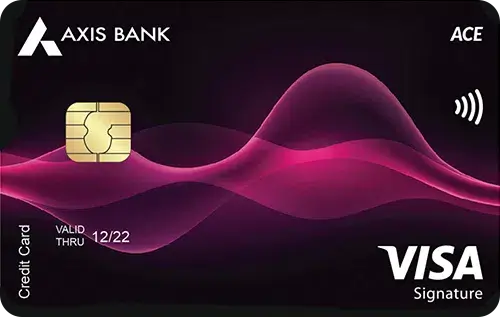
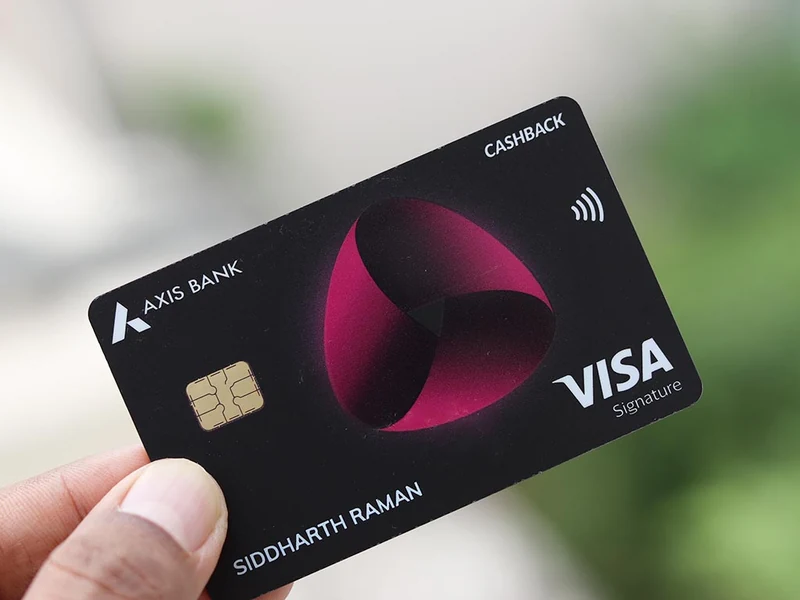
Axis Bank
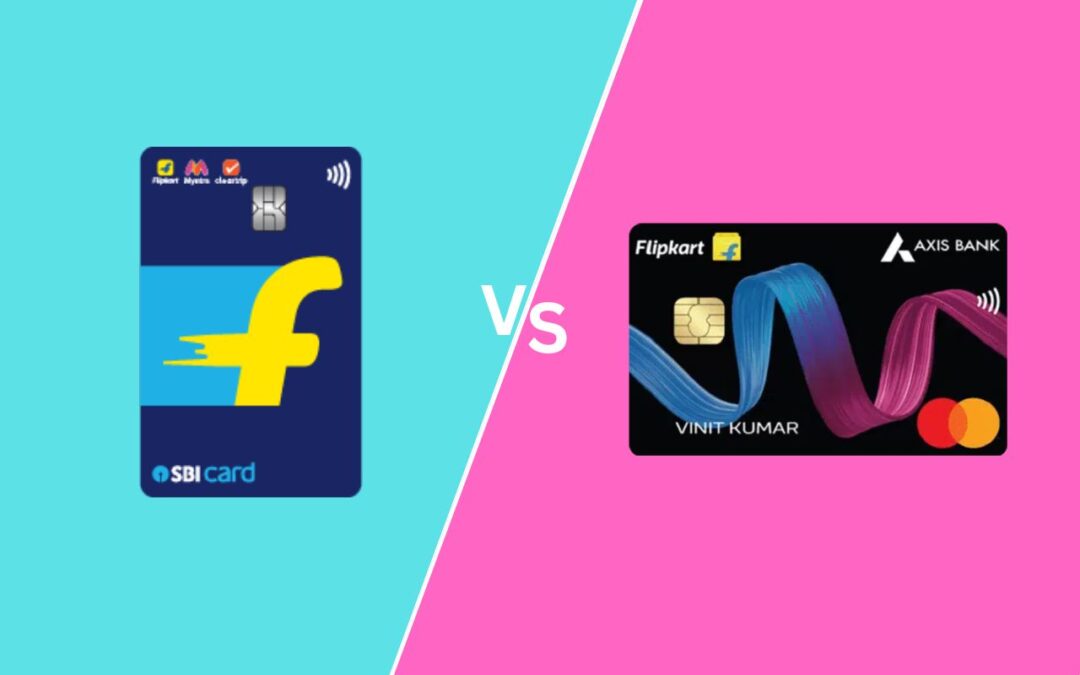
Axis Flipkart Credit CardAnnual fee₹500
Top rate7.5% back
Monthly capNone
Twenty-six cashback cards, but the headline rate is rarely what you actually keep.
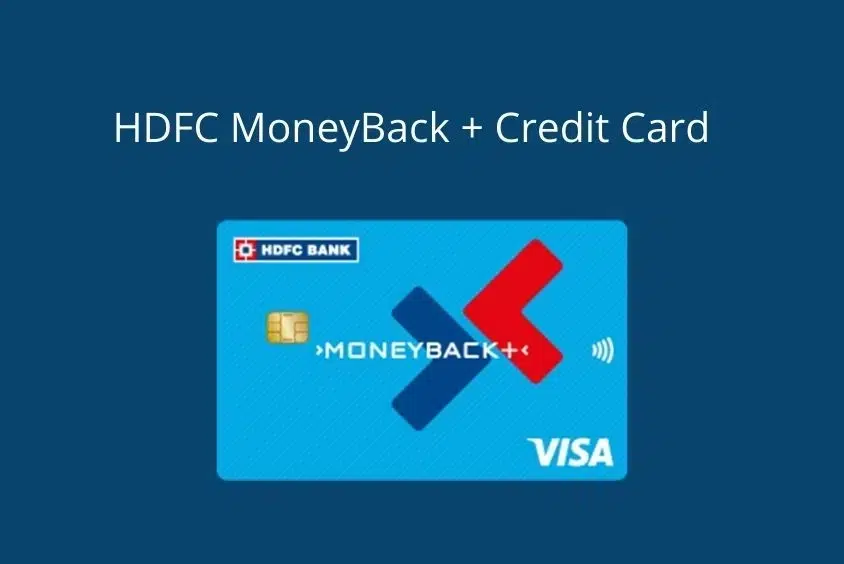
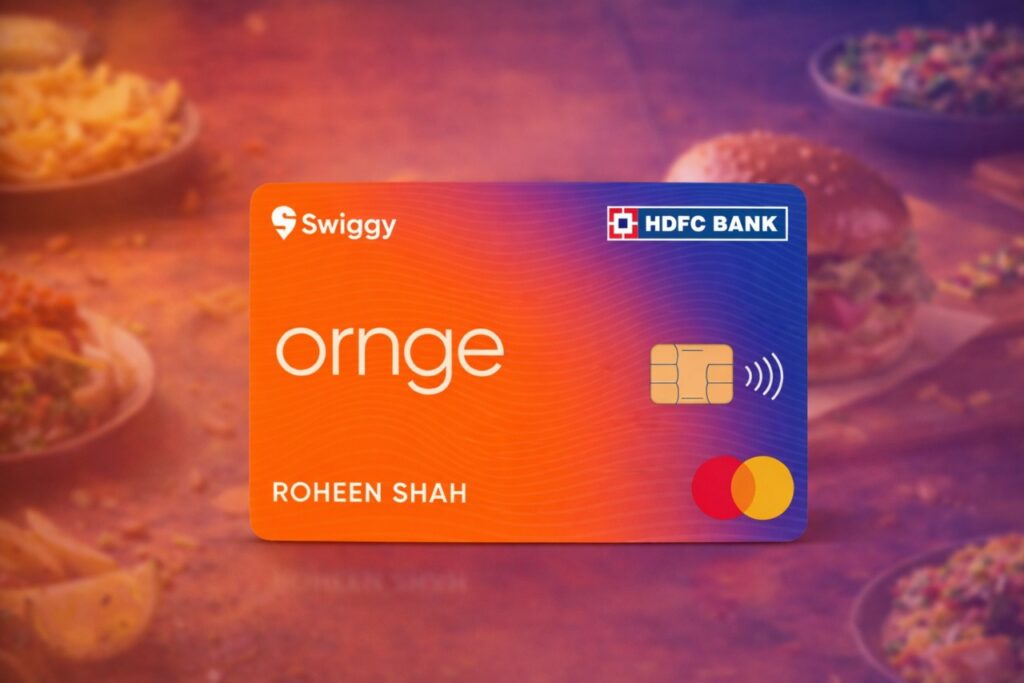
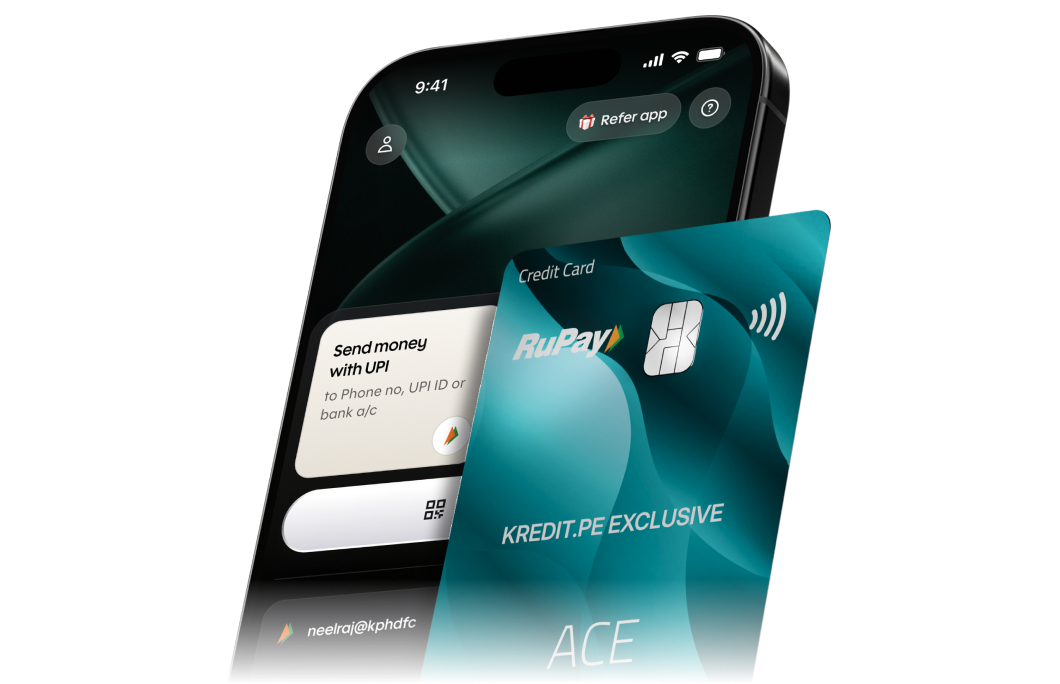
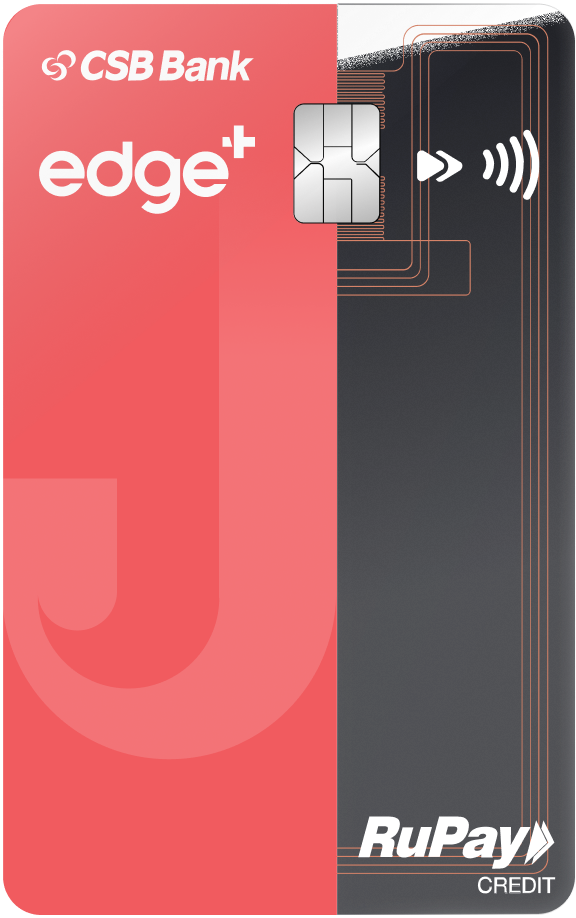
The headline rate is almost never the realised rate. A “5 percent cashback” card with a ₹500 monthly cap is functionally a ₹6,000-per-year product; whether it beats a 1.5 percent flat-rate card with no cap depends on whether your spend pattern actually hits the cap categories. We modelled all 26 cashback cards against three reference spend profiles. Metro salaried (online-heavy), tier-2 family (groceries and fuel), and high earner (lifestyle and dining). We surfaced the realised return after caps for each profile. The cards below are sorted by overall fit, not headline rate, which is why a ₹199-fee card sits beside a ₹1,000-fee card in the same grid.
So there is no single best cashback credit card in India. There is only the one whose realised rate survives your spend pattern. A flat-rate card paying 1.5 percent on everything wins when spend is varied or unpredictable and never reliably fills a category cap. A tiered card paying 5 percent on a narrow merchant set wins only when spend lands there consistently and clears the annual fee-waiver threshold, typically ₹2 lakh to ₹3 lakh. That is why the grid below leads with realised return per profile, not the number the issuer prints on the marketing page. The right answer changes with the spender, and every card here is ranked on the value you actually keep.












Realised return is what you keep after the monthly cap, the category exclusions, and the annual fee. A few questions narrow the field quickly. Where does your spend actually land: online retail, fuel and utilities, or dining and travel? Will you clear ₹2 lakh to ₹3 lakh annual spend, the threshold where fee waivers kick in on most cards, or stay below it? And do you want a flat-rate card that pays predictably, or a tiered card that pays more but only on the right merchants?
That is why there is no single best cashback credit card in India, only the best one for how you actually spend. A flat-rate card that pays 1.5 percent on everything wins when your spend is varied and never reliably fills a category cap. A tiered card paying 5 percent on a narrow merchant set wins only when your spend lands there month after month and clears that fee-waiver threshold. The grid above is ranked on realised return per profile for exactly this reason: the best answer changes with the spender, so we sort on the value you keep, not the rate printed on the marketing page.