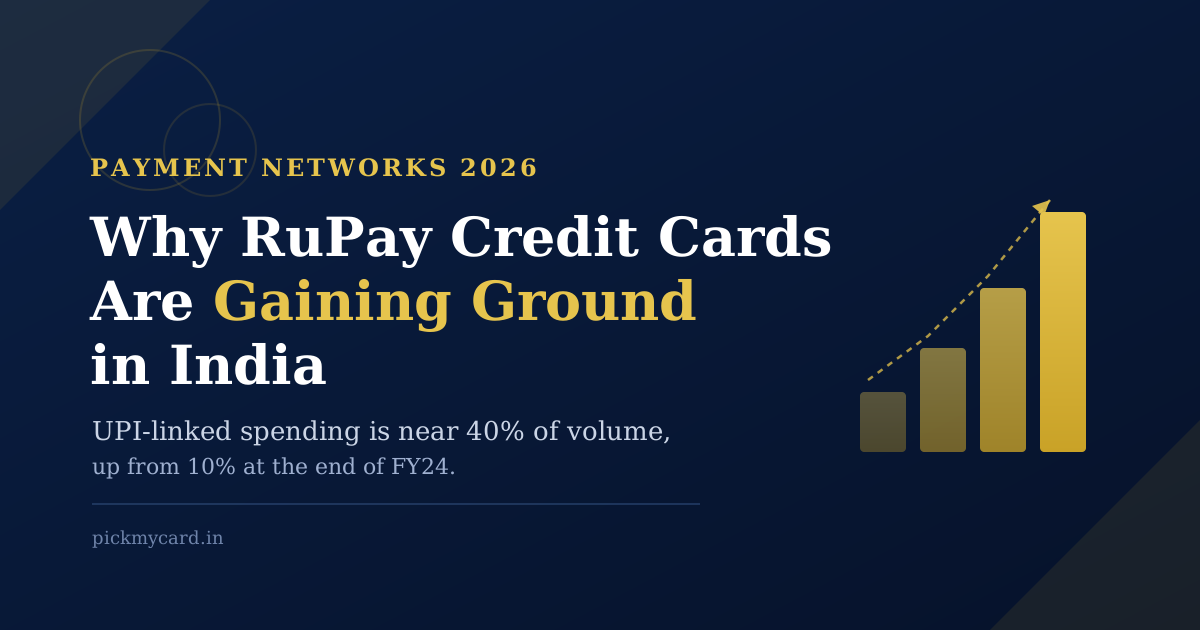
Ask a kirana owner in a small town whether they take credit cards, and the answer is usually no, the machine costs money and the fee eats the margin. Ask if they take UPI, and the answer is almost always yes. RuPay found the seam between those two answers and built its recent growth on it.
RuPay credit cards are gaining ground
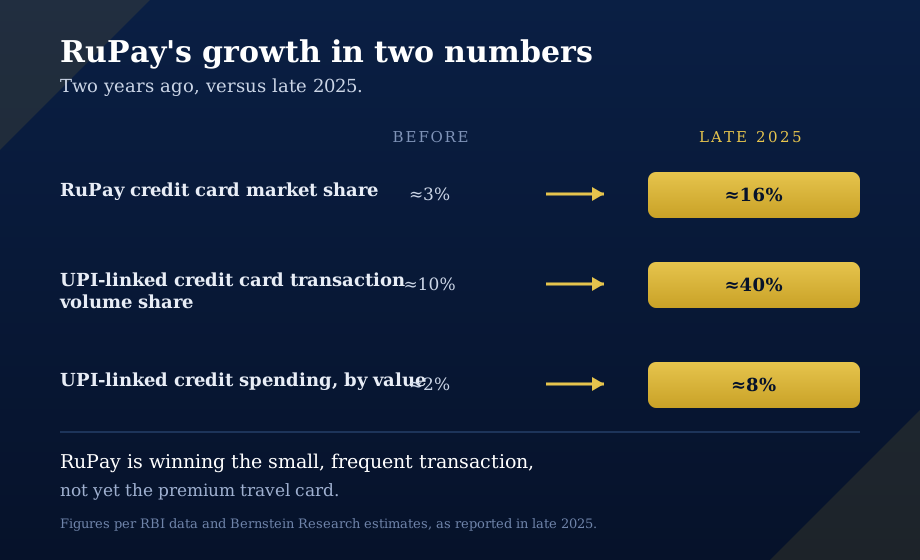
For most of its history, RuPay was seen as the network banks defaulted to on debit cards and free basic products, rarely the first choice on a credit card application. That changed after 2022. Reserve Bank of India (RBI) data and Bernstein Research estimates put RuPay's credit card market share at roughly 3% two years ago; by late 2025 it had climbed to nearly 16%, and RuPay's share of new credit card issuances is now approaching 40%. India had 11.33 crore active credit cards at the end of September 2025, so a jump from 3% to 16% of that base is not a rounding error. It is tens of millions of cards.
The single decision behind almost all of that growth: in 2022, the RBI allowed RuPay credit cards, and only RuPay credit cards, to be linked directly to UPI. That exclusivity means a RuPay credit card scans the same QR code that already sits on every chai stall and auto-rickshaw windscreen in the country. Visa and Mastercard have asked to be included in UPI linkage since the rule was announced; as of today, RBI has not extended it, and every month that stays true is another month of RuPay-only growth.
Why UPI-linked spending changed the math
Before UPI-RuPay linkage, a credit card only worked where a merchant had installed a point-of-sale machine, and India has fewer than 10 million of those. UPI works at more than 50 million merchants, most of whom never bothered with a card machine because the hardware and merchant fees made no sense for a stall doing a few hundred rupees an hour.
UPI-linked credit card transactions now account for close to 40% of all credit card payment volume in India by count, up from about 10% at the end of FY24. By value the shift is smaller but still sharp, from roughly 2% to 8% over the same period, because the average UPI-linked credit card transaction sits under ₹1,000. That gap between volume share and value share tells the real story: RuPay is winning the small, frequent, everyday transaction that a premium travel card was never designed to capture.
The fee structure does the rest
Merchants that accept RuPay-linked UPI credit spending pay no merchant discount rate (MDR) on transactions under ₹2,000 at smaller outlets; MDR applies only to larger merchants and higher-value payments. That is a meaningfully cheaper acceptance cost than a card terminal, and it is why a kirana store that would never install a POS machine will happily let a customer pay by scanning a QR code linked to a RuPay credit card. Wider acceptance plus lower cost for the merchant is a combination Visa and Mastercard cannot currently match on the UPI rail, because they are not on it yet.
The cards actually built for this
A handful of lifetime-free RuPay cards have been designed specifically around UPI spending rather than treating it as an afterthought. The Kiwi RuPay Credit Card is the clearest example: it pays 1.5% on UPI scan-and-pay transactions against a 0.5% base rate elsewhere, with an optional ₹999-a-year Neon membership that lifts the UPI rate to 3-5% past spend milestones. The catch is a monthly rewards cap set at 1% of the card's own credit limit, which on a low starter limit binds earlier than most cardholders expect. Our Kiwi vs Jupiter Edge+ comparison walks through that cap in detail against a second lifetime-free RuPay option.
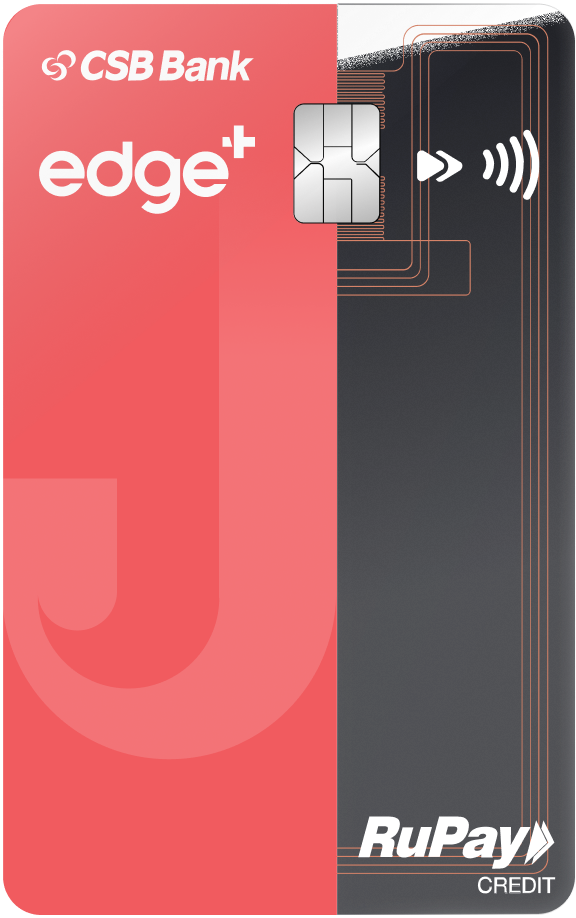
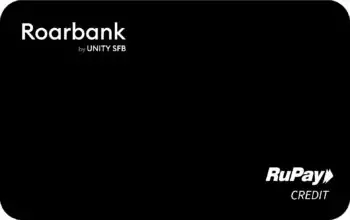
Roarbank, issued by Unity Small Finance Bank, takes a different approach: no joining or annual fee, RuPay-network UPI payment support through third-party apps, and cashback concentrated in two categories the cardholder chooses each month rather than in UPI specifically. Jupiter Edge+ CSB is RuPay too and shares the lifetime-free structure, but its strongest earning sits in e-commerce categories like Amazon and Flipkart. UPI spending on that card falls into the flat, uncapped-category 1% bucket rather than a dedicated bonus, so it is not the right pick if UPI is the primary use case.
Where RuPay still falls behind
The growth story has real limits. RuPay's international acceptance network remains thinner than Visa or Mastercard's, so a RuPay-first card is rarely the right choice for someone who travels abroad often. Airport lounge access on RuPay-network cards tends to run through the RuPay Lounge Programme rather than Priority Pass, with narrower coverage. And the reward structures built around UPI spending come with their own exclusions: Kiwi's terms, for instance, carve out telecom, utilities, jewellery, fuel, rent, insurance, education, and government services from reward-earning UPI transactions even though the payment itself still goes through. The network is winning on reach and cost, not yet on premium travel benefits.
How to pick
Anyone whose spending genuinely runs through small merchants, UPI QR codes, kirana stores, autos, and local services will get more out of a RuPay card built around that pattern than out of a premium Visa or Mastercard product chasing airport lounges the cardholder rarely visits. For that reader, Kiwi is worth a look first for its explicit UPI-scan bonus, with Roarbank as the no-fee fallback if the monthly reward cap on Kiwi feels restrictive. Anyone whose spending leans toward large e-commerce or international travel is still better served by a Visa or Mastercard product; RuPay has closed the acceptance gap at the till, not yet the benefits gap in the air.
Frequently asked
Why is RuPay's credit card market share growing so fast in India?
RBI's 2022 decision let RuPay credit cards link exclusively to UPI, so RuPay-issued cards work at any UPI QR code, not just card machines. That pushed RuPay's credit card market share from roughly 3% to nearly 16% within two years, alongside a merchant fee structure that favors small retailers.
Can Visa or Mastercard credit cards be linked to UPI in India?
Not yet. RBI has approved UPI linkage only for RuPay credit cards so far, though Visa and Mastercard have publicly asked to be included. Until that changes, UPI-on-credit-card stays a RuPay-only feature, and it is the single biggest driver behind RuPay's recent share gains.
Do RuPay credit cards charge merchants lower fees on UPI payments?
Yes, for small transactions. UPI-routed RuPay credit card payments carry no merchant discount rate below ₹2,000 at smaller merchants; MDR applies only to larger merchants and higher-value transactions. That is why kirana stores and small vendors accept RuPay-linked UPI credit spending more readily than card swipes.
Which RuPay credit cards are built specifically for UPI spending?
Kiwi is the clearest UPI-first design, paying 1.5% on UPI scan-and-pay against a 0.5% base rate. Roarbank and Jupiter Edge+ CSB are also lifetime-free RuPay cards with UPI support, though their strongest rewards sit in rotating categories and e-commerce rather than UPI itself.
Does a RuPay credit card work at every UPI QR code?
In practice, yes, with a short exclusion list. Kiwi's terms, for example, exclude telecom, utilities, jewellery, fuel, rent, insurance, education, and government services from reward-earning UPI spends, even though the payment itself still goes through. Check each card's exclusions before assuming full coverage.
Card devaluations, reward maths, and rate changes the day they land.
Follow on X
Reader comments
No comments yet. Share your experience with this card below — the first useful comment helps every reader after you.
Comments are moderated before they appear. Share your real experience with a card — what worked, what didn't, what the bank told you. We don't publish promotional content, referral links, or personal financial details. Keep it useful for other readers.