A lounge visit feels like the prize. The line at immigration disappears, someone hands you a plate of biscuits, and the trip already feels like it paid for the annual fee. The forex markup line on the same statement rarely gets that treatment. It sits in the transaction list as a few extra rupees per swipe, and by the time the statement closes it has usually taken more money than the lounge visit gave back.
Forex Markup Is a Tax on Every Swipe Abroad
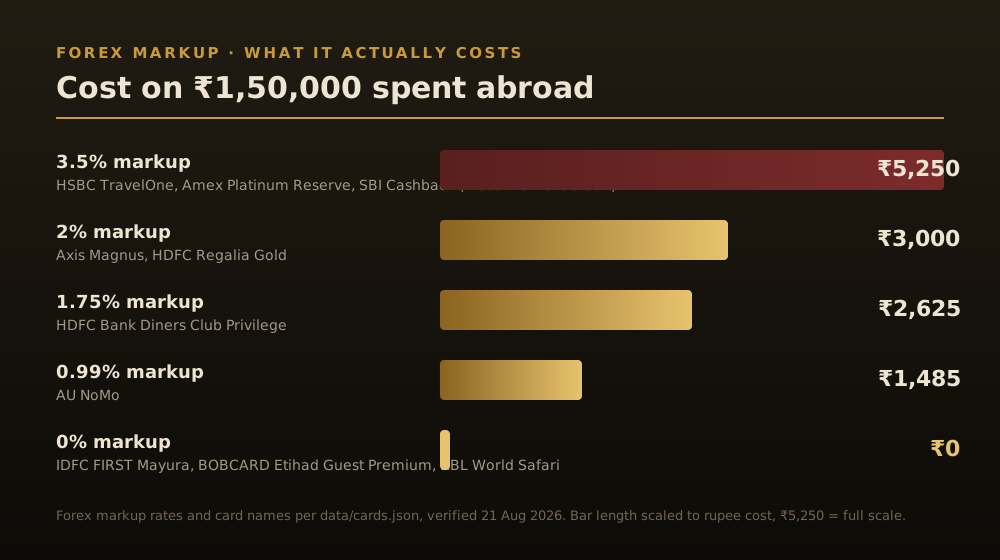
A forex markup is not a one-time charge. It applies to every foreign-currency transaction on the card, restaurant bills, hotel folios, the taxi paid by card at the airport, for as long as the card stays in the wallet on that trip. Most Indian cards still charge 3.5% by default. Spend ₹1,50,000 abroad on a typical trip, hotels, meals, a few purchases, and a 3.5% card has already taken ₹5,250 before a single reward point offsets any of it.
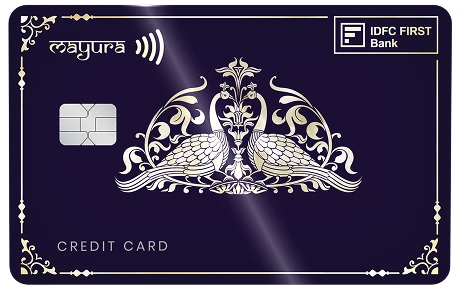
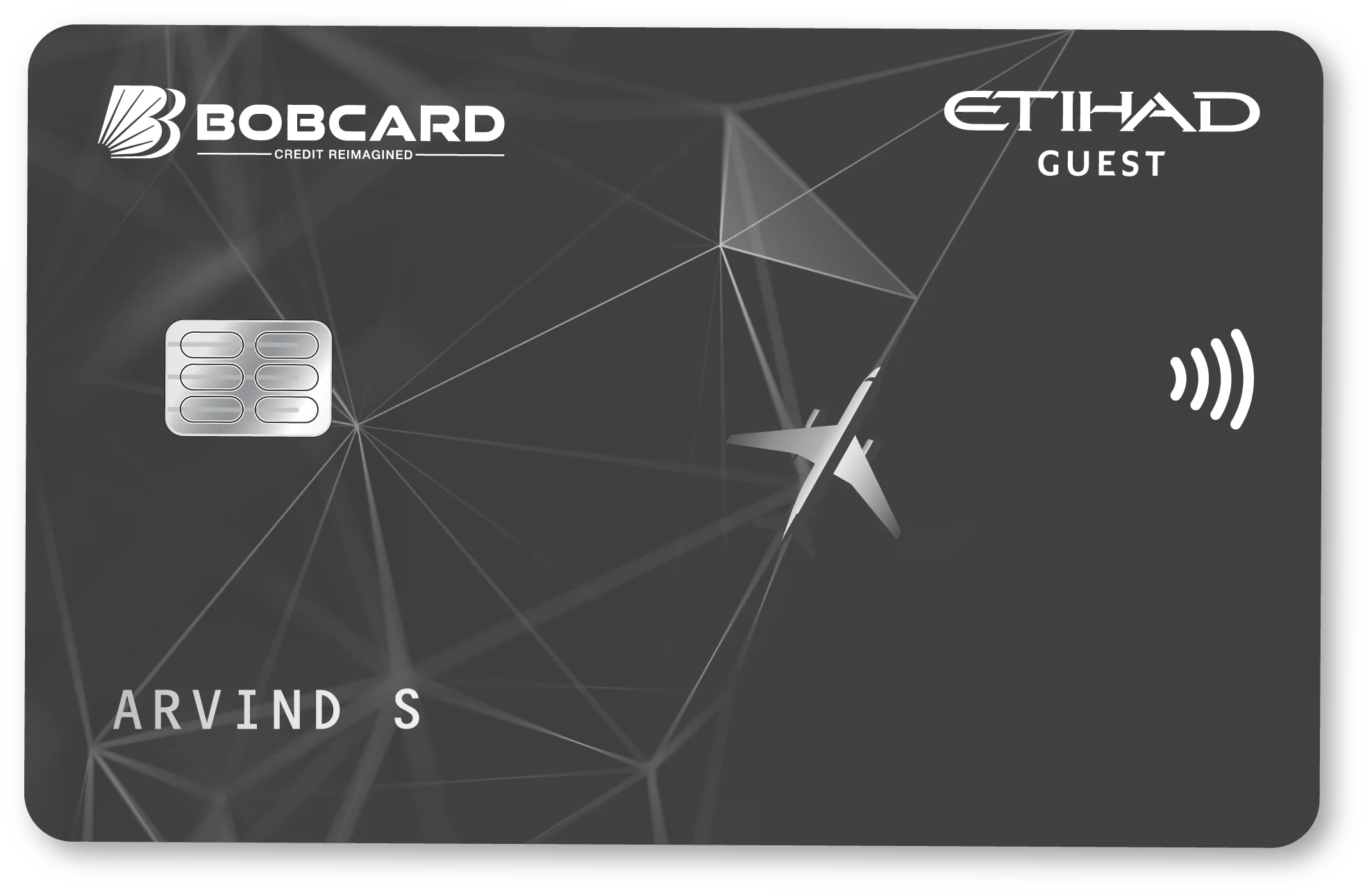
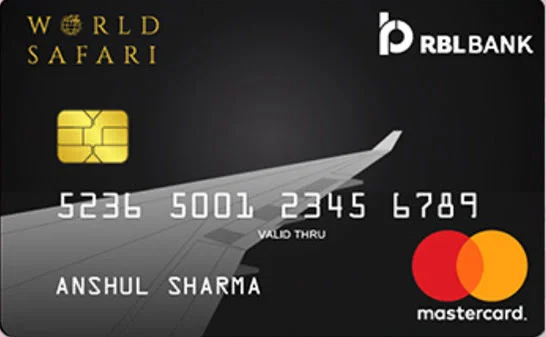
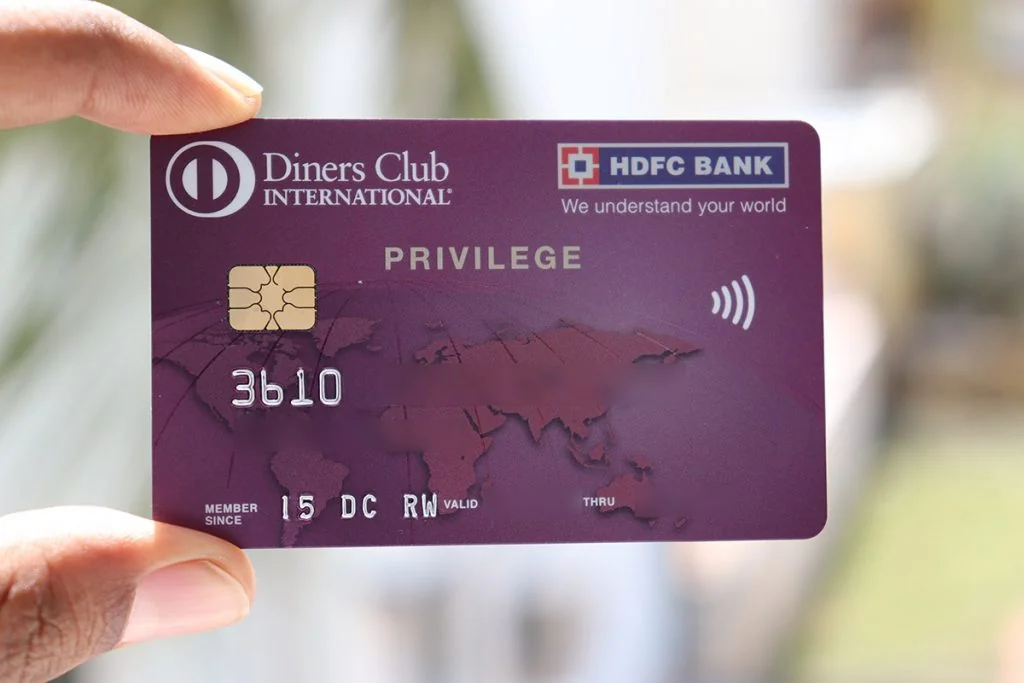
A handful of cards charge nothing at all. IDFC FIRST Mayura, BOBCARD Etihad Guest Premium, and RBL World Safari all carry a 0% forex markup. On the same ₹1,50,000 of spend, that is ₹5,250 saved, money a lounge visit cannot match unless the traveller is checking in for a long-haul flight several times a year. HDFC Bank Diners Club Privilege sits in between at 1.75%, and Axis Magnus and HDFC Regalia Gold at 2%, both meaningfully cheaper than the 3.5% default without reaching zero.
Even a 0% forex markup does not remove every hidden cost abroad. At many overseas payment terminals, the machine offers a choice between billing in the local currency or in rupees, a practice called dynamic currency conversion. Accepting rupees at the terminal hands the conversion to the local bank rather than to Visa, Mastercard, or RuPay, and that local conversion typically runs 3-4% worse than the network's own rate, on top of whatever the issuer charges. A 0% forex markup card only delivers its full saving when the cardholder declines the rupee option and lets the transaction settle in the local currency.
The Lounge Side of the Ledger
Lounge access looks like a fixed perk, but the number of visits and the conditions attached to them vary more than the marketing copy suggests. IDFC FIRST Mayura pairs its 0% markup with up to 16 domestic and 16 international visits a year, gated behind ₹20,000 of spend in the preceding calendar month. BOBCARD Etihad Guest Premium offers 12 domestic and 8 international visits on a quarterly cadence, at a ₹5,000 annual fee that waives on ₹5,00,000 of yearly spend. RBL World Safari is the cheapest of the three at ₹3,000 a year, with up to 8 domestic and 2 international visits through Priority Pass.
Cards that still charge a markup are not automatically the losers here. Axis Magnus charges 2% but pairs it with unlimited domestic and international Priority Pass access, which for a genuinely frequent traveller can be worth more than the markup it costs on a single trip's spend. The comparison only tips toward the 0% cards once actual overseas spend, not lounge visits, becomes the bigger number in a cardholder's year, and for most people who travel abroad once or twice annually for real spending (not just transit), it usually does.
Spend-gating has also spread further than most cardholders have noticed. From 1 July 2026, HDFC Bank moved Diners Club Privilege and Regalia Gold lounge access onto a spend-gated model for domestic visits (and, on Diners Club Privilege, international visits too): roughly ₹60,000 of spend in the prior quarter opens up the following quarter's visits, rather than the visits simply coming with the card. A cardholder who assumes their card still grants lounge access unconditionally, based on how it was marketed at signup, can arrive at the airport lounge desk and be turned away.
What This Means for a Real Trip
Take two cardholders spending ₹1,50,000 abroad on a ten-day trip. One holds a 3.5% mass-market card with no lounge access at all, a common combination on entry-level travel and cashback cards. Its markup alone costs ₹5,250, with no lounge visit to offset it. The other holds RBL World Safari at 0% forex markup, saving the full ₹5,250, and still gets up to 2 international lounge visits a year through Priority Pass on top of it. That second cardholder comes out ahead on both counts, and the annual fee difference (₹3,000 against a card that may charge nothing) is smaller than the single trip's forex saving.
The comparison changes for a business traveller making six international trips a year. At that volume, Axis Magnus's unlimited Priority Pass access starts to be worth more than the 2% markup it costs, because six trips' worth of guaranteed, uncapped lounge visits is a benefit few 0%-markup cards match. The right answer depends on how much a cardholder actually spends abroad against how often they need a lounge, not on which line item feels more rewarding to read on a boarding pass.
A Simple Framework Before You Apply
Add up a realistic year of overseas card spend first. If it clears ₹1,00,000, the forex markup difference between a 3.5% card and a 0% card is already ₹3,500 or more, before any lounge visit enters the calculation. Only after that number is on paper does it make sense to ask how many lounge visits a year would actually get used, and whether a card's spend gate is one the traveller's real spending pattern clears.
Three checks are worth running in order before applying for a travel card on the strength of its lounge story:
- The card's forex markup rate, and whether it sits at 0% or the 3.5% default
- The real spend gate behind any lounge access, not just the headline visit count
- A rough estimate of next year's actual spend abroad, not just the number of trips planned
A card that fails the first check rarely earns the difference back on the other two.
A card chosen for its lounge story and carrying a 3.5% markup can be the more expensive choice the moment overseas spend rises past a modest threshold. The cards worth checking first for anyone who travels are the ones that do not force that trade-off at all.
Frequently asked
What counts as a good forex markup rate on an Indian credit card?
Anything at or under 2% is competitive; several cards now charge 0%. Above 3% (the mass-market default) turns a foreign trip into a recurring percentage cost on every swipe, not just a one-time fee, and is worth avoiding for frequent travellers.
Do 0% forex markup cards still charge anything on international transactions?
The card network's own conversion (Visa, Mastercard, or RuPay's own rate) still applies, and dynamic currency conversion at a foreign terminal can add its own margin if you accept billing in rupees. Zero forex markup removes only the issuer's own currency-conversion fee, not the exchange rate itself.
Is international lounge access worth more than a low forex markup?
It depends on how much you spend abroad. A single ₹1,50,000 trip on a 3.5% card costs ₹5,250 in markup alone, more than several lounge programmes are worth in a year. Frequent, high-spend travellers should price both costs before picking a card.
Which Indian credit cards combine 0% forex markup with real lounge access?
IDFC FIRST Mayura, BOBCARD Etihad Guest Premium, and RBL World Safari all carry 0% forex markup with international lounge visits attached, ranging from 2 to 16 a year depending on the card, though each gates the benefit behind a monthly or quarterly spend threshold rather than granting it outright on ownership.
Why did lounge access on cards like HDFC Diners Club Privilege become spend-gated in 2026?
From 1 July 2026, HDFC moved Diners Club Privilege and Regalia Gold lounge access to a spend-gated model requiring roughly ₹60,000 of spend in the prior quarter. Issuers are tying complimentary benefits to ongoing usage rather than granting them outright on card ownership.
Card devaluations, reward maths, and rate changes the day they land.
Follow on X
Reader comments
No comments yet. Share your experience with this card below — the first useful comment helps every reader after you.
Comments are moderated before they appear. Share your real experience with a card — what worked, what didn't, what the bank told you. We don't publish promotional content, referral links, or personal financial details. Keep it useful for other readers.