Correction (13 July 2026): an earlier version of this article described the ₹200 per-transaction cap as a limit on qualifying spend, and said a ₹3,000 order "returns ₹20, not ₹300". It is a cap on the value earned: such an order returns about ₹200, an effective 6.7%. The article's central point — that the Jewel devaluation turned a 10% card into a 7% one — is unaffected and stands.
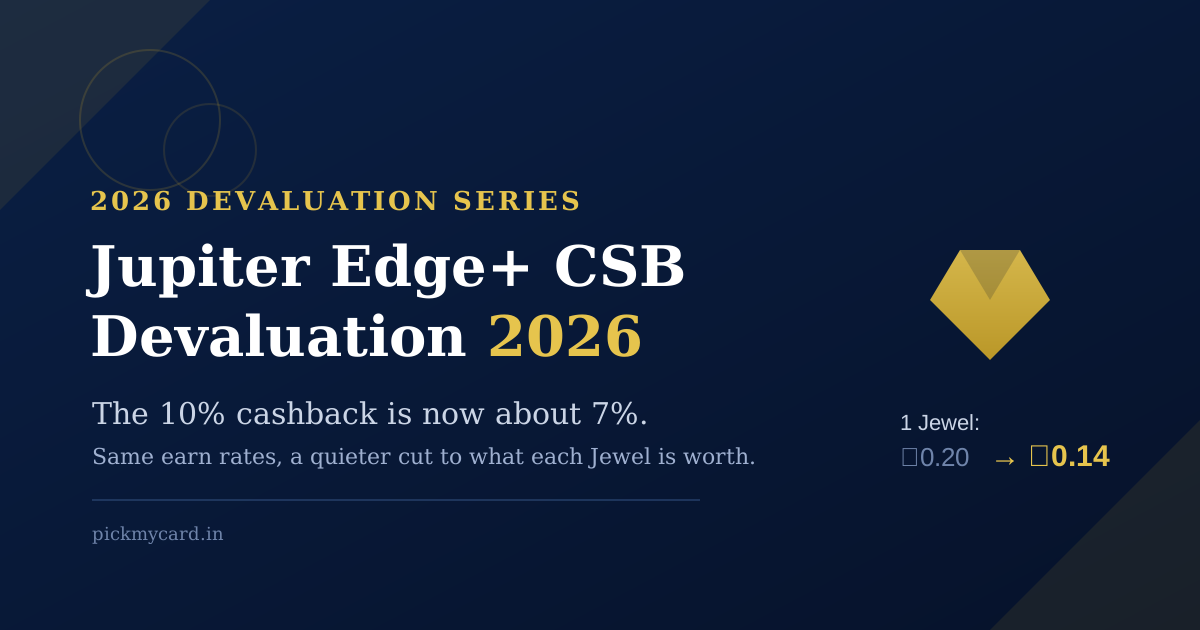
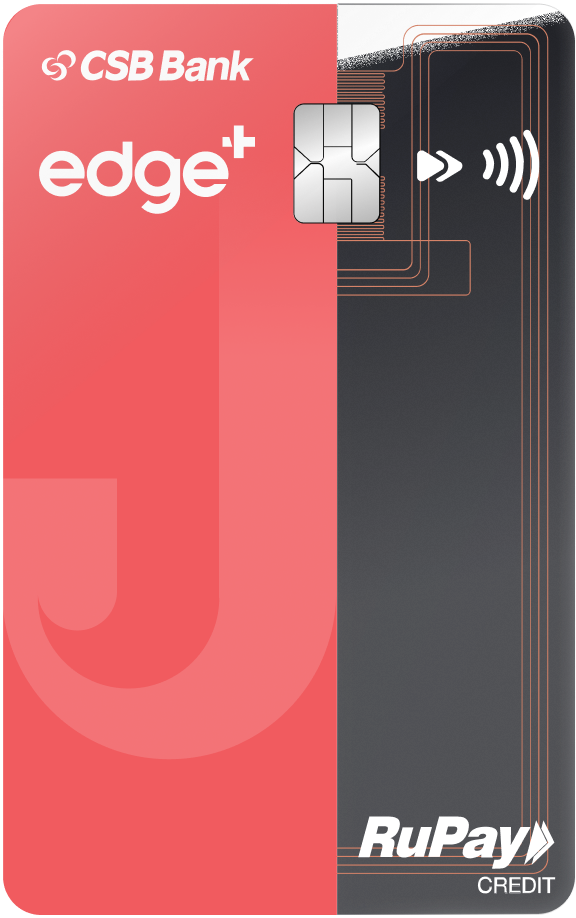
Is the Jupiter Edge+ still a 10 percent cashback card? On the brochure, yes. In your Jewels balance from June 2026, no. Jupiter and CSB Bank left the headline earn rates that sold the card untouched. What they changed is the value of each Jewel when you cash it out, and that quieter move trims the real return on every rupee you have already spent.
The cut is in the Jewel, not the rate
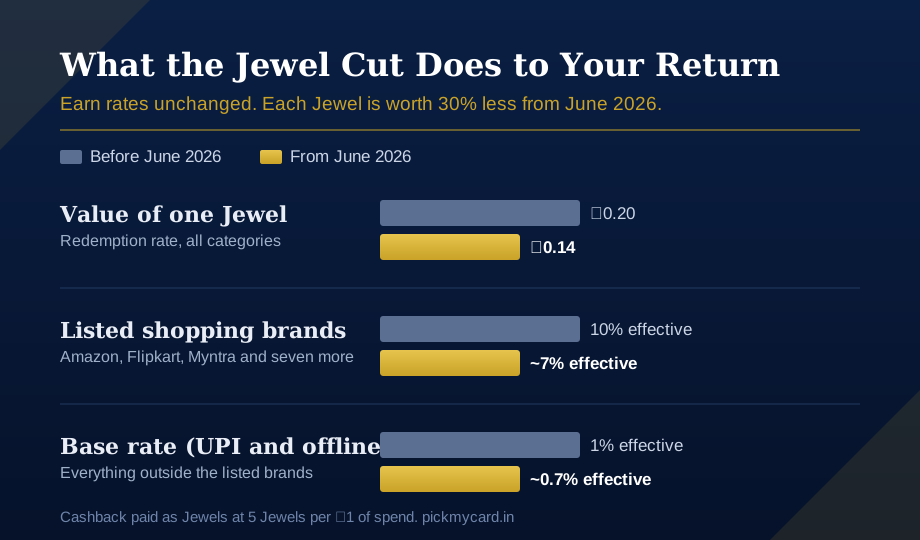
Cashback on the Edge+ is not paid as a statement credit. It lands as Jewels, at 5 Jewels for every ₹1 of cashback you earn. The listed shopping brands still pay 50 Jewels per ₹100, the travel platforms still pay their tier, and the card still shows 10 percent in the app. None of that moved.
What moved is the exchange rate behind it. Through May 2026 a Jewel redeemed at ₹0.20. From June 2026 it redeems at ₹0.14, a 30 percent cut that Jupiter announced back in March. A balance of 10,000 Jewels that used to convert to ₹2,000 now returns ₹1,400. Run that through the earn rates and the picture is simple: the effective return on the listed shopping brands drops from 10 percent to about 7 percent, and the 1 percent base rate on UPI and offline spends becomes roughly 0.7 percent.
What 7 percent looks like in a real month
The caps were always the real ceiling on this card, and the devaluation lands on top of them. Shopping rewards are held to roughly ₹2,000 of value a month, with about ₹600 per merchant and about ₹200 per transaction. (Since 1 June 2026 these are stated in Jewels — 10,000, 3,000 and 1,000 respectively — which is the same thing measured in the card's own currency.)
These are caps on what you EARN, not on what qualifies. A ₹3,000 Amazon order does not "earn on only ₹200" — it earns the 10% rate up to the per-transaction ceiling, so it returns about ₹200, an effective 6.7%. That is a real haircut on a big cart, but it is nothing like the sub-1% that the spend-cap reading implies. An earlier version of this article got that wrong.
Take a busy month. ₹6,000 of Amazon spend earns 10% — ₹600 — which is exactly the per-merchant ceiling, and you get there without splitting your cart. Another ₹8,000 on Myntra would earn ₹800 but is likewise held to ₹600. Travel adds roughly ₹250, and ₹15,000 of UPI and offline spend at the base rate adds ₹150. At ₹0.20 a Jewel that bundle is worth about ₹1,600. Redeemed as statement credit at ₹0.14, it is worth roughly ₹1,120. The same spending, the same effort, about ₹480 lighter — and that gap, not the caps, is what the devaluation actually did.
Two things did not change and are worth remembering. The single domestic lounge visit a quarter still needs ₹90,000 of quarterly spend behind it, a bar most cashback-led holders never reach. And fuel, rent, utilities, government payments, wallet loads and insurance still earn no Jewels at all.
Should you still carry it
Keep it, but stop thinking of it as a 10 percent card. It is lifetime free, so there is no annual fee to justify and nothing to lose by holding it for the brands it still covers. For someone who places small, frequent orders on Amazon, Flipkart, Myntra and the other listed names, a 7 percent effective return on a no-fee RuPay card with UPI built in is still ahead of most of the market.
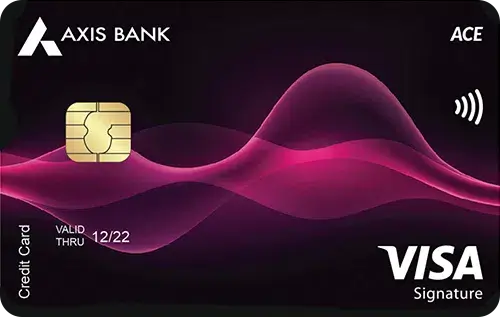
What it is not, after this cut, is a card to push large or general spend through. If most of your online spend sits on Flipkart, the Axis Flipkart card covers that brand directly. If you want a flat return on bills and everyday spend, Axis Ace is the cleaner tool. The move that still works is the one the rest of the 2026 credit card devaluations point to: anchor your wallet on a genuine lifetime free card, keep the Jupiter Edge+ for its specific brands, and stop spreading spend across cards that no longer pay what they once did.
Sources

Frequently asked
Did Jupiter cut the Edge+ cashback rate in 2026?
Not the rate, the value behind it. The card still earns 50 Jewels per ₹100 on listed shopping brands, which reads as 10 percent. From June 2026 each Jewel redeems at ₹0.14 instead of ₹0.20, a 30 percent cut announced in March 2026. So the effective return on shopping brands falls from 10 percent to roughly 7 percent, and the 1 percent base becomes about 0.7 percent.
Is the Jupiter Edge+ CSB Bank card still worth holding after the devaluation?
Yes, because it stays lifetime free with no annual fee to recover. Treat it as a 7 percent card, not a 10 percent one, because statement-credit redemption fetches ₹0.14 per Jewel. The per-transaction cap limits what you EARN on one order to roughly ₹200, so a ₹3,000 order still returns about ₹200, an effective 6.7 percent — it does not mean only ₹200 of the order qualifies.
When does the new Jupiter Jewel value take effect?
Jupiter and CSB Bank announced the change in March 2026, and the lower redemption value of ₹0.14 per Jewel applies from June 2026.
Card devaluations, reward maths, and rate changes the day they land.
Follow on X
Reader comments
No comments yet. Share your experience with this card below — the first useful comment helps every reader after you.
Comments are moderated before they appear. Share your real experience with a card — what worked, what didn't, what the bank told you. We don't publish promotional content, referral links, or personal financial details. Keep it useful for other readers.