
For most of the last decade, Indian banks competed for your wallet by handing out rewards faster than the underlying economics could fund them. In the first half of 2026 that era closed. Five major issuers, Axis Bank, HDFC Bank, American Express, SBI Card and ICICI Bank, repriced their programmes inside a single ten-week stretch, and the credit card devaluations were neither random nor coincidental. This is the complete list of what changed, why it happened together, and what a cardholder should do about it.
Why every major issuer devalued at once
The timing looks like collusion. It was not. It was the same arithmetic landing on every balance sheet at once.
Card rewards are funded mainly by interchange, the fee a merchant's bank pays on each swipe, which sits at roughly 1.5 to 2.5 percent in India. A bank can afford a generous reward rate only if enough cardholders also revolve a balance and pay interest. The problem by 2026 was the rise of the transactor: the disciplined cardholder who optimises every category, clears the statement in full, and never pays a rupee of interest. On that customer a bank can pay out 5 percent in rewards while collecting 1.5 percent in interchange, and lose money on every transaction. As the transactor share grew, the maths under super-premium cards stopped working.
The second force came from the regulator. Unsecured retail credit, credit cards included, had grown at a pace the Reserve Bank of India flagged as a risk. The RBI's shift toward an expected credit loss provisioning framework requires banks to set aside capital against potential losses the moment an unsecured line is issued, rather than after a default. That raised the standing cost of every reward-heavy card portfolio. Faced with thinner interchange and higher provisioning, banks cut the most discretionary liability they carry: reward points, cashback caps and unconditional travel perks. The cuts protected the ultra-premium tier and squeezed everyone in the middle.
The five big devaluations, issuer by issuer
Each issuer gets its own deep dive in this series. Here is the headline for each, with the full episode to follow.
- Axis Bank ran the steepest cut. On 2 April 2026 it dropped Accor, Marriott Bonvoy and Qatar Airways as Travel Edge transfer partners and diluted the conversion ratios on the Atlas, Magnus and Olympus cards. The episode is Axis Travel Edge: the Accor exit and the ratio cuts.
- HDFC Bank trimmed the base rate on Regalia Gold, Diners Club Privilege and BizPower from 4 reward points per ₹150 to 5 points per ₹200, effective 15 May 2026, and put domestic lounge access behind a ₹60,000 quarterly spend test from July. The episode is HDFC Bank: the Swiggy split, the Tata Neu loophole and the fee creep.
- American Express reset the Platinum Travel milestone on 9 March 2026. The ₹4 lakh sweet spot that once paid 40,000 points plus a ₹10,000 Taj voucher now sits at ₹7 lakh, a 75 percent jump in the spend needed for the same reward. The episode is Amex Platinum Travel: the milestone moved to ₹7 lakh.
- SBI Card restructured the Cashback card cap on 1 April 2026, replacing the single ₹5,000 monthly ceiling with a ₹4,000 cap split into ₹2,000 online and ₹2,000 offline. For a heavy-online household the realistic ceiling roughly halved. The episode is SBI Cashback: the cap split that halved heavy-online value.
- ICICI Bank cut its iShop voucher returns, dropping the Emeralde Private Metal from 18 percent to 3 percent and the Times Black from 12 percent to 2 percent, and from 15 January 2026 added fees on gaming, wallet loads and commercial transport. The episode is ICICI: the iShop cut and the fee monetisation.
Across all five, one pattern repeats. The flagship tier kept its rewards. The mass-affluent card you actually carry took the hit.
The downgrade reached fintech and entry-level cards too
This was not only a premium-card story. The challenger products built on venture-style generosity got pulled into line as well.
Federal Bank's Scapia card, a zero-fee favourite for travellers, doubled the monthly spend needed for lounge access from ₹10,000 to ₹20,000 in late February 2026 and stripped utility and insurance spends out of reward earning. IDFC First Bank diluted its base earn rate from one point per ₹150 to one per ₹200 from 18 January 2026, added a 1 percent surcharge on high utility spends, and quintupled its lounge spend threshold to ₹20,000. Yes Bank imposed tiered utility fees and removed the overlimit transaction facility across its portfolio. The message from the bottom of the market matched the message from the top: the era of subsidised loyalty is over. The full breakdown of all three is in Scapia, IDFC First and Yes Bank: the fintech cards get the same cut. Jupiter's Edge+ CSB card joined them from June 2026, holding its 10 percent headline rate while cutting the value of each Jewel by 30 percent, which drops the real return on listed shopping brands to about 7 percent. The full breakdown is in Jupiter Edge+: the 10% cashback that quietly became 7%.
Four more cuts landed since the last update
The list has not stopped growing. Four more changes cleared the bar for a standalone writeup between mid-June and late July.
- HDFC Bank carved a separate 3,000-point monthly cap out of SmartBuy gift-voucher earnings from 1 July 2026, on top of the base-rate cut already covered above. The Infinia, which could once route its entire 15,000-point monthly SmartBuy cap through vouchers alone, loses 80 percent of that route. The episode is HDFC SmartBuy: the voucher cap that hits Infinia hardest.
- American Express removed Etihad Guest as a Membership Rewards transfer partner from 30 June 2026, per reports Amex had not yet confirmed on its own transfer-partner page at the time of writing. The episode is Amex MR drops Etihad Guest: what value is left.
- IndusInd Bank cut the fuel surcharge threshold on standard cards to ₹30,000 a statement cycle, doubled the dynamic currency conversion fee to 2 percent, and added a transport-spend charge, all effective 15 June 2026. The episode is IndusInd Bank credit card changes: new charges and what to do.
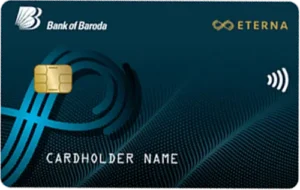
- Bank of Baroda will raise the BOB Eterna's unlimited-lounge spend gate from ₹40,000 to ₹75,000 a quarter from 1 October 2026, nearly doubling the spend needed to keep the card's headline perk. The episode is BOB Eterna lounge access cut: which credit cards still offer lounge visits.
None of these four match the scale of the original five, but together they confirm the pattern held past July. Issuers kept finding smaller, less-noticed levers, an accelerated-earn cap here, a transfer-partner list there, a surcharge threshold somewhere else, to trim the same cost line the big cuts targeted in spring.
The 2026 devaluation timeline
The cuts did not arrive in one announcement. They rolled out issuer by issuer across ten months, which is part of why many cardholders only noticed the change on their own card.
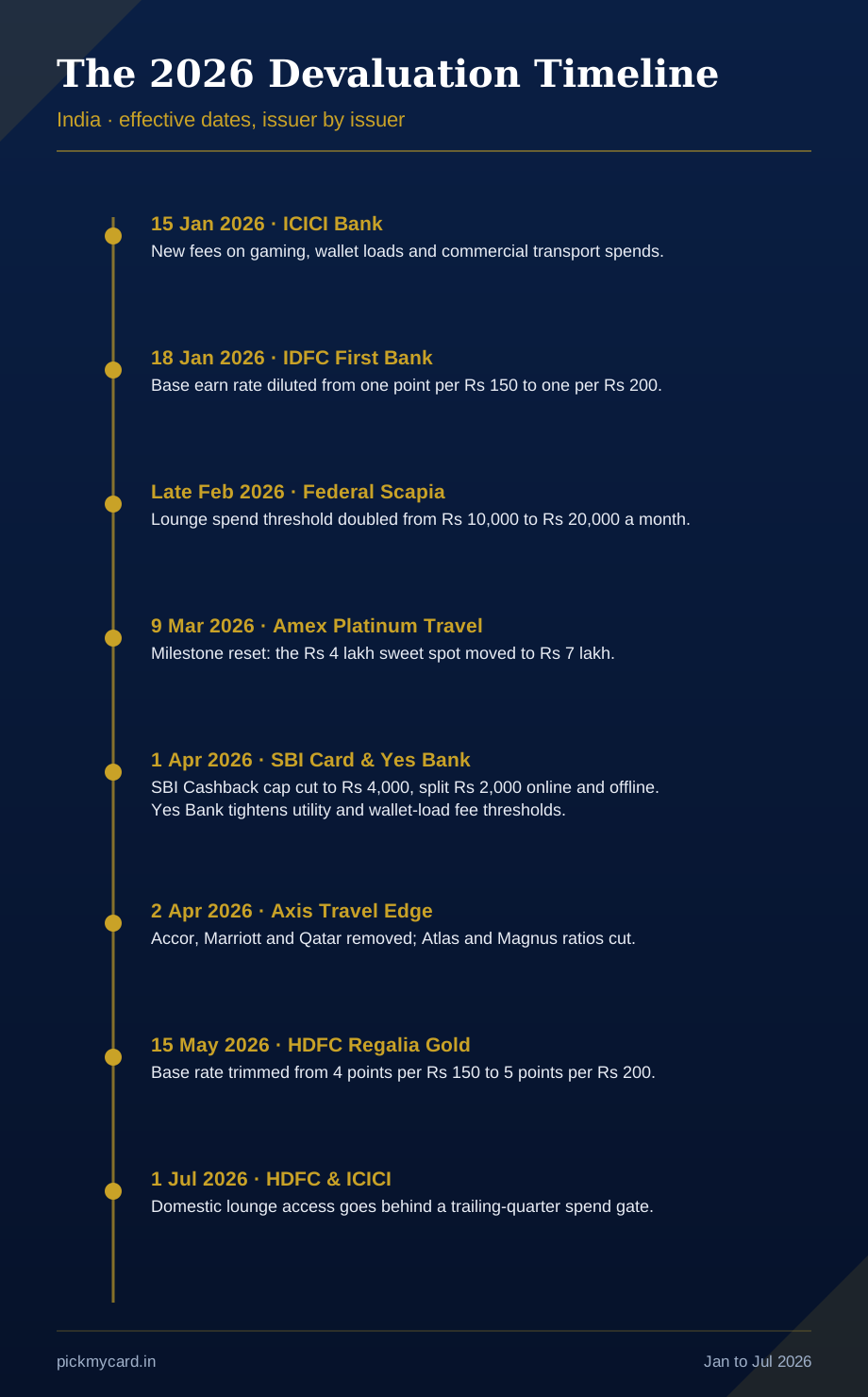
ICICI Bank opened the year on 15 January, IDFC First followed on 18 January, and the pace picked up through spring with Amex on 9 March, SBI and Yes Bank on 1 April, and Axis a day later on 2 April. HDFC's base-rate cut landed on 15 May, IndusInd's fee changes followed on 15 June, and Amex quietly dropped Etihad Guest as a Membership Rewards partner on 30 June. The harshest lounge gates, at HDFC and on ICICI's MakeMyTrip cards, took effect from 1 July 2026 on the back of the preceding quarter's spend, alongside HDFC's new SmartBuy voucher cap the same day. The one change still ahead is Bank of Baroda's BOB Eterna lounge gate, which does not bite until 1 October.
What changed for how you should hold cards
The unifying design goal across every issuer is the same: force top-of-wallet behaviour. Lounge access, milestone bonuses and maximum cashback are now tied to high recurring spend thresholds, ₹60,000 a quarter here, ₹7 lakh a year there. Spread your spending across four cards and none of them clears its threshold, so you lose the benefit on all four.
That kills the old playbook of holding eight specialised cards, one for fuel, one for food delivery, one purely for the lounge. The post-devaluation move is the opposite: consolidate spend onto one or two cards that still earn, and stop paying fees for perks you no longer trigger. For the floor of any slimmer wallet, a no-fee card carries no annual cost to justify and nothing to lose when a reward rate slips, which is why a lifetime free card is the right anchor to build around in 2026.
Where this leaves your wallet
The pattern is consistent: normal-use value took a moderate, permanent trim, while best-case value, the optimised transfer and milestone routes, took a far deeper cut. A 1.5 to 2.5 percent return is now the realistic standard for everyday spend, and the 8 to 12 percent arbitrage that sophisticated users once pulled from transfer partners has mostly gone.
So audit before the next renewal. List every card that carries a fee, and for each one ask whether the spend that triggers its headline benefit still gets reached after these changes. Where the answer is no, downgrade to the no-fee version or close it. Where it is yes, keep the card and route more spend through it. The market has repriced; the cardholders who win from here are the ones who reprice their own wallet to match.
Sources
- Reserve Bank of India: Discussion Paper on Introduction of Expected Credit Loss Framework for Provisioning by Banks
- Mint: These 5 credit cards are being devalued in 2026, check list
- SBI Card: Revision in the benefits of CASHBACK SBI Card
- American Express: Platinum Travel Credit Card
- Accor ALL: bank partnership transfer terms
- Scapia: card and benefits
Frequently asked
Which credit cards were devalued in India in 2026?
Axis Bank, HDFC Bank, American Express, SBI Card and ICICI Bank cut rewards in the first half of 2026. Scapia, IDFC First, Yes Bank, IndusInd, Amex Membership Rewards and Bank of Baroda's BOB Eterna followed with fee and threshold changes running from January through the BOB Eterna cut on 1 October 2026.
Why did so many banks devalue credit cards at the same time in 2026?
Two forces lined up. Reward payouts to disciplined full-payment cardholders outran the interchange fees that funded them. At the same time, the RBI's move toward an expected credit loss provisioning framework raised the cost of holding unsecured card portfolios, so banks cut the most discretionary cost on their books: rewards.
What is the biggest credit card devaluation in India in 2026?
Axis Bank's removal of Accor, Marriott and Qatar Airways as transfer partners on 2 April 2026 was the steepest. For an Axis Atlas holder, the best-case return on uncategorised spend fell from roughly 7 to 8 percent down to about 1 percent, the steepest single cut of the year.
When did the HDFC Regalia Gold lounge access change take effect?
From July 2026. Each of the three complimentary domestic lounge visits per quarter now requires ₹60,000 of spend in the previous calendar quarter. HDFC also trimmed the base reward rate from 4 points per ₹150 to 5 points per ₹200, effective 15 May 2026.
What is the most recent credit card devaluation in India?
As of late July 2026, the newest cut is Bank of Baroda's BOB Eterna lounge gate, rising from ₹40,000 to ₹75,000 a quarter from 1 October. Just before that, HDFC capped SmartBuy voucher earning at 3,000 points a month from 1 July, and Amex dropped Etihad Guest as a Membership Rewards partner on 30 June.
Are lifetime free credit cards still worth holding after the 2026 devaluations?
Yes, more than before. The 2026 cuts mostly hit fee-paying premium cards that tied benefits to high spending. A lifetime free card carries no annual fee to justify, so its value does not collapse when a reward rate drops. It is the natural anchor for a slimmer post-devaluation wallet.
Card devaluations, reward maths, and rate changes the day they land.
Follow on X
Reader comments
No comments yet. Share your experience with this card below — the first useful comment helps every reader after you.
Comments are moderated before they appear. Share your real experience with a card — what worked, what didn't, what the bank told you. We don't publish promotional content, referral links, or personal financial details. Keep it useful for other readers.