The premium cards got the headlines this year. The quieter cut, the one that touched far more wallets, landed on the cheap cards people carried precisely because they asked for nothing. Scapia, IDFC First and Yes Bank built their followings on zero fees and generous access, and in the first half of 2026 all three pulled that generosity back. Here is the fintech and entry-level side of the devaluation wave, with the numbers that changed and what each card is now good for.
Scapia doubled the lounge bar and dropped the easy spends
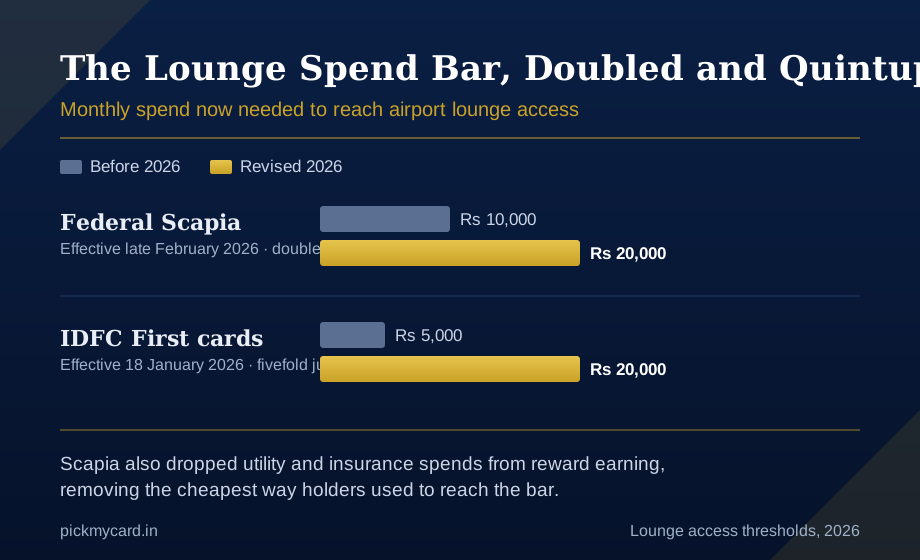
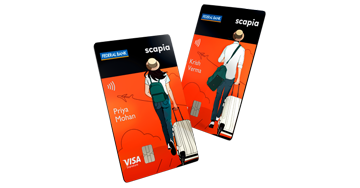
The Federal Bank Scapia card earned its following on a simple promise: no annual fee, no forex markup, and domestic lounge access you could reach with everyday spending. In late February 2026 that last piece got harder to reach. The monthly spend needed to earn lounge access doubled from ₹10,000 to ₹20,000.
Worse than the higher bar is what no longer counts toward it. Utility bills and large insurance premiums, the two categories most holders leaned on to clear the old ₹10,000 target, were cut out of reward earning entirely. So the threshold went up and the cheapest way to reach it vanished in the same revision. Scapia softened the optics with a new International Airport Privilege, a flat ₹2,000 back on international flight bookings above ₹50,000 made inside its own app. The best case there is a 4 percent return on a narrow, app-locked spend, which does little for anyone outside a few overseas trips a year. The Federal Bank Scapia is still a clean zero-forex card. It is no longer the effortless lounge card it was sold as.
IDFC First diluted the base rate and built a fee wall
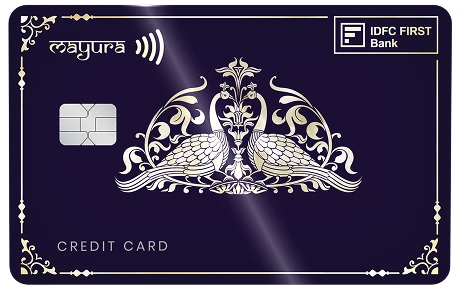
IDFC First Bank ran the heaviest revision of the three, rolled out from 18 January 2026 across the Power Plus, Mayura, Ashva and Wealth cards. The structural change sits at the base: the earn rate moved from one reward point per ₹150 to one per ₹200. That sounds small until you spend against it, because the same point now needs 33 percent more on the card to earn.
Around that base, IDFC stacked surcharges that close off the heavy-recurring spends people routed through these cards. Utility spend above ₹20,000 in a month now carries a 1 percent fee, and rent or property-management payments attract a flat ₹249. Lounge access took the same treatment as Scapia, only steeper, with the monthly spend bar lifted fivefold from ₹5,000 to ₹20,000. Movie-ticket discounts were halved, and on the co-branded HPCL fuel cards the fuel surcharge waiver, the entire reason to hold a fuel card, was removed.
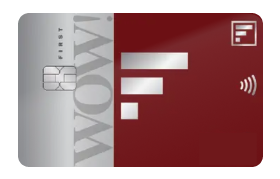
The change with the sharpest teeth is the new point-reversal rule. Miss the minimum amount due by the payment date and every reward point earned that billing cycle is cancelled, not paused. One slip wipes a month of earning. The IDFC First WOW stays lifetime free and useful as a forex card, and the IDFC First Mayura keeps its 5X base on the first ₹20,000 a cycle, but the ₹5,999 fee on the Mayura now has a thinner benefit stack behind it.
Yes Bank taxed utilities and pulled the safety net
Yes Bank went after volume rather than reward rates. From 1 April 2026 it set tiered monthly thresholds above which utility and service spends attract a fee: ₹25,000 on standard retail cards, ₹50,000 on the Marquee and Reserv variants, and ₹1,00,000 on the premium Private line. Below the limit nothing changes; cross it and the high-volume utility user who chose the card for exactly that spend starts paying for the privilege. It also added a 1 percent fee on wallet loads above ₹2,000, capped at ₹5,000 a transaction.
The change that affects every holder, not just the heavy spenders, is the removal of overlimit. Yes Bank disabled the facility across its entire portfolio, so any transaction that would push you past your sanctioned limit is now declined outright. That protects the bank from unsecured exposure, and it strips cardholders of the emergency headroom they may have counted on.
Which of the three still earns a place in your wallet
None of these is a card to cancel in anger, but none is a primary card anymore either. Scapia survives on one job, a zero-forex card for overseas spends, and it does that job as well as it ever did once you stop expecting free lounges from it. IDFC First WOW stays worth its place as a lifetime-free forex backup; the fee-paying IDFC cards need a harder look, because the diluted base rate plus the point-reversal rule make them unforgiving to hold casually. Yes Bank's cards still work for spend that lands under the utility thresholds, and poorly for spend above them.
The thread running through all three matches the rest of the 2026 credit card devaluations: the subsidy is gone, and the card that survives a slimmer wallet is the one with no fee to justify. If you are rebuilding around a no-cost anchor, start with a genuine lifetime free card and add specialists like these only for the one thing each still does well.
Sources
Frequently asked
What changed on the Scapia card in 2026?
From late February 2026 the Scapia Federal card doubled the monthly spend needed for airport lounge access from ₹10,000 to ₹20,000. Utility bills and insurance premiums no longer earn rewards, which removes the easiest way most holders used to hit that spend bar.
How did IDFC First Bank devalue its credit cards in 2026?
From 18 January 2026 IDFC First shifted its base earn rate from one point per ₹150 to one per ₹200, so the same point now needs 33 percent more spend. It also added a 1 percent fee on monthly utility spends above ₹20,000, a ₹249 charge on rent, and raised the lounge spend bar to ₹20,000.
What is the IDFC First point reversal rule?
If you miss the minimum amount due by the payment date, IDFC First now reverses every reward point earned in that billing cycle. The points are not frozen and restored later. They are cancelled outright, so one late cycle wipes a full month of earning.
What did Yes Bank change for credit card holders in 2026?
Yes Bank set tiered monthly limits above which utility spends attract a fee, ₹25,000 on standard cards, ₹50,000 on Marquee and Reserv, and ₹1,00,000 on Private. It also added a 1 percent fee on wallet loads above ₹2,000 and disabled overlimit transactions across the whole portfolio.
Are zero-fee fintech credit cards still worth holding after 2026?
For a narrow job, yes. Scapia still waives forex markup and IDFC First WOW stays lifetime free, so each works as a single-purpose card. The cuts removed the all-rounder appeal that made them a primary card, so treat them as specialists now, not your main wallet.
Card devaluations, reward maths, and rate changes the day they land.
Follow on X
Reader comments
No comments yet. Share your experience with this card below — the first useful comment helps every reader after you.
Comments are moderated before they appear. Share your real experience with a card — what worked, what didn't, what the bank told you. We don't publish promotional content, referral links, or personal financial details. Keep it useful for other readers.