No joining fee. No annual fee, ever. One app, two categories picked every month, and a cashback rate that can swing from 1% to 20% depending on what you choose. RoarBank, from Unity Small Finance Bank, is built for a reader who has never held a credit card and wants one with nothing to lose.
What Unity Small Finance Bank actually is
Feature. RoarBank is issued by Unity Small Finance Bank, a scheduled bank operating under an RBI banking licence, the same category every small finance bank in India holds. Caveat. The card is managed entirely through the RoarBank app; there is no website application path, and video KYC is mandatory before a card is issued. For a reader used to a branch counter or a bank's desktop portal, that can read as a red flag. Utility. It is the opposite. App-only, KYC-gated onboarding tied to a real savings account is a standard digital-bank pattern, not a shortcut around regulation, and it is one reason RoarBank can approve applicants with zero prior credit history at zero cost.
What the fixed and rotating tracks actually pay
RoarBank's cashback runs on two tracks. The fixed track pays 1% on mobile top-up and utility bill payments, automatically, regardless of what you pick each month. It never lapses and needs no decision.
The variable track is the card's real feature. On the first of each month, the app prompts a choice of two categories from a rotating list:
| Category | Rate |
|---|---|
| Movies | up to 20% |
| Pet purchases | up to 20% |
| Dining and cafes | up to 5% |
| Grocery | up to 1.5% |
| Fuel | up to 1.5% |
Only spend inside the two chosen categories earns at these rates; everything else on the card earns nothing beyond the fixed track. The combined ceiling across all categories is ₹2,500 a month. At the 20% movie rate, that caps out at ₹12,500 of movie spend; at the 5% dining rate, it takes ₹50,000. Most cardholders will land well under the ceiling, with their real return set less by the cap and more by how well they guess next month's spending before they choose.
The catch: lock-in, not the fine print
Category selection is final the moment you submit it. There is no mid-month swap if an unplanned expense lands in a different bucket, and no retroactive credit if you guessed wrong. Spend outside the two chosen categories, and outside mobile top-up and utilities, earns zero. There is also no lounge access, no fuel surcharge waiver, and no travel benefit of any kind; this is a cashback-only product with nothing bundled in. A fuel surcharge still applies at the pump, so anyone picking fuel as a category should net the roughly 1.5% back against that surcharge before counting it as a win.
Fees and what carrying a balance costs
The fee structure has no asterisk. Joining: ₹0. Annual: ₹0. No spend threshold keeps it that way, unlike the common waiver-contingent card where the fee returns the moment you miss a target. There are no add-on card charges either.
Interest runs at 3.3% a month (39.6% a year) on any balance carried past the due date, against an interest-free window of up to 62 days on purchases paid in full. Late payment adds 2% of unpaid dues, minimum ₹500, and a cash advance at an ATM costs 3.5% of the amount withdrawn, a separate figure from the interest rate and easy to confuse with it. None of this is unusual for the segment; it matters only if you carry a balance, which a card built around clearing the statement each month should not need to.
The spender this card actually rewards
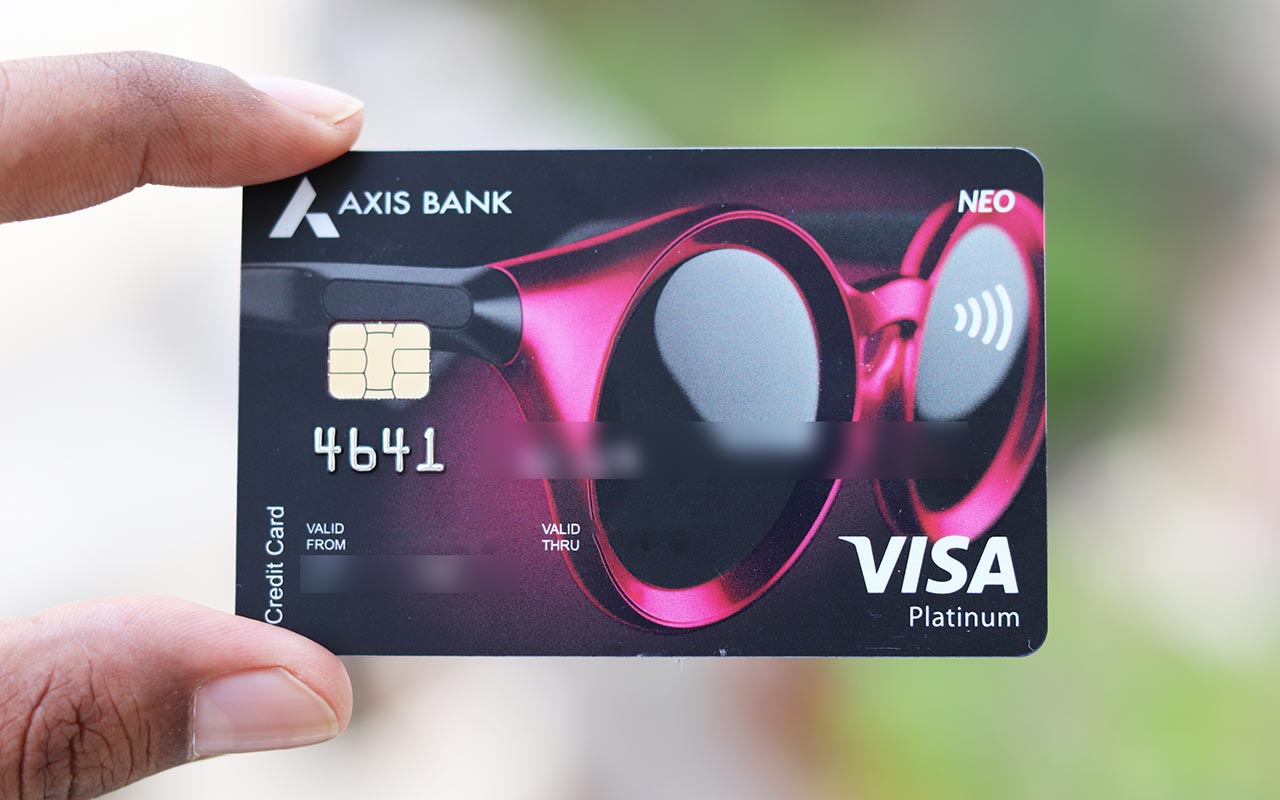
A prerequisite worth stating plainly: you need an active RoarBank savings account to hold the card, and the two are opened together through the app, so there is no separate account to arrange first. Past that step, the card suits a narrow but real profile: predictable, concentrated spending in one or two of the high-rate buckets. A student who books movie tickets most months, or a young professional whose spend reliably centres on dining and grocery, will extract genuine value for the cost of a 30-second monthly selection. A reader whose spending moves around unpredictably will find the lock-in more frustrating than rewarding, and should look at a flat-rate lifetime-free card instead, such as the Axis Neo RuPay or the Suryoday Stable Money card, both of which pay a steady rate with no monthly decision attached.
Where it earns its slot
RoarBank fills a gap most issuers leave open: a genuinely free card for an applicant with no credit history and no income proof to show. For that reader, it is often the only realistic zero-cost entry point into a credit history. For everyone else, its value is conditional on remembering to pick categories that match real spending, every month, with no second chance if the guess is wrong. Get that right and the rates beat almost any other free card in the country. Get it wrong, or forget to choose, and the card quietly earns nothing most months. That trade-off, not the cashback headline, is what decides whether RoarBank belongs in your wallet.
Disclosure: this post contains affiliate links. If you apply through them we may earn a commission, at no extra cost to you. Our editorial view is independent of that. #ad


Frequently asked
Is the RoarBank Credit Card safe to use?
RoarBank is issued by Unity Small Finance Bank, a scheduled bank licensed by the Reserve Bank of India, not an unregulated lending app. Issuing a credit card requires linking an active Roarbank savings account opened through video KYC, the same onboarding standard other banks use. The product is unusual in being app-only, with no desktop application path, but that is a design choice, not a sign the issuer is unlicensed.
How do I apply for the RoarBank Credit Card?
Download the RoarBank app from the App Store or Google Play, complete the sign-up and video KYC process, and request the card from within the app. There is no website application option, and a desktop browser may not open the application flow correctly.
Is the RoarBank Credit Card truly lifetime free?
Yes. The joining fee and the annual fee are both ₹0, with no spending threshold attached. The card does not revert to a paid structure after the first year.
How does the monthly cashback category selection work?
At the start of each month, the RoarBank app prompts you to choose two spending categories from a rotating list that includes dining, movies, grocery, fuel and more. The accelerated rates apply only to those two categories for that calendar month, and the selection locks once submitted; there is no mid-month correction.
Can I use the RoarBank Credit Card for UPI payments?
Yes. RoarBank runs on the RuPay network and supports UPI credit card payments through third-party apps. Cashback follows the merchant's underlying category, so eligible UPI spends inside a chosen category earn at that category's rate.
Card devaluations, reward maths, and rate changes the day they land.
Follow on X
Reader comments
No comments yet. Share your experience with this card below — the first useful comment helps every reader after you.
Comments are moderated before they appear. Share your real experience with a card — what worked, what didn't, what the bank told you. We don't publish promotional content, referral links, or personal financial details. Keep it useful for other readers.