Groceries and fuel are not occasional purchases. They are the two categories almost every household in India pays for every month, on repeat, for years, which is exactly what a credit card's accelerated reward categories are built around. A debit card draws from the same current account dynamic every time and is not built the same way at all.
What a debit card actually pays you on groceries and fuel
Start with what is in our own catalogue, because it is the most honest way to answer this. We track 90 active credit cards and, inside them, dozens of named accelerated rates for groceries, fuel, and a handful of other everyday categories. There is no debit-card column to put next to that table, because the structure does not exist on that side of the product line.
Feature. A debit card spends your own money, directly, from a current or savings account. Caveat. Because there is no credit line and no interchange economics funding a rewards program the way there is on the credit rail, Indian banks almost never attach a standing accelerated rate to debit spending in a specific category. A few issuers run time-boxed UPI-linked cashback promotions on debit, but those are marketing campaigns with an expiry date, not a feature of the product. Utility. The honest comparison, then, is not "debit pays 1% and credit pays 5%." It is "debit is not generally built to pay a structured rate on this spend at all," and that is a sharper, more useful fact than a number that does not exist.
The fuel surcharge waiver sharpens the same point. The 1% waiver on fuel transactions between roughly ₹400 and ₹4,000 is a credit-card mandate, capped at ₹100 to ₹250 a statement cycle depending on the issuer. It is not a benefit a debit card is required to carry. Pay for fuel on debit and you are not just missing an accelerated reward, you are also outside the one guaranteed concession the credit rail carries on every fuel transaction in that band.
The framework: where the money actually goes
The same ₹100 of grocery or fuel spend takes one of two paths, and only one of them loops money back to the person spending it.
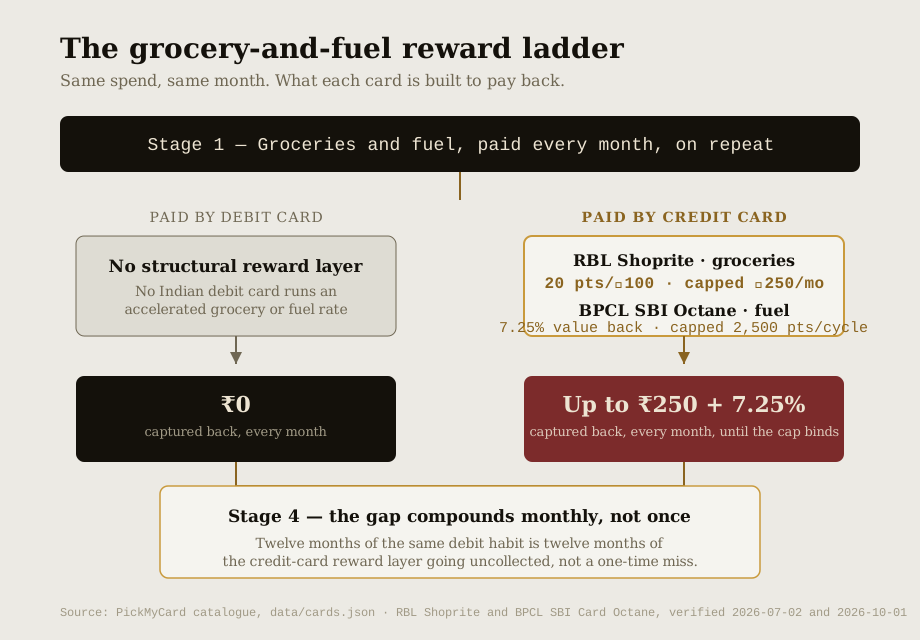
On debit, the ladder stops at the first rung. The spend happens, the bank processes it, and nothing returns. On credit, the same spend hits an accelerated category rate, climbs until a monthly or per-cycle cap binds, and the difference between those two endpoints is money that existed either way and landed in a different account depending on which piece of plastic was in the terminal.
Worked examples, priced against the catalogue
Every figure below comes from data/cards.json and was last verified in the second half of 2026.
| Card | Category | Reward rate | Monthly / cycle cap | Annual fee |
|---|---|---|---|---|
| RBL Shoprite Credit Card | Groceries | 20 pts/₹100 (≈5% back) | 1,000 pts, ≈₹250/month | ₹500 (waived at ₹1.5L spend/yr) |
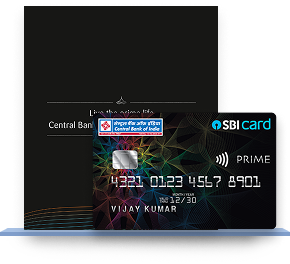
| SBI Card PRIME | Groceries | 10 pts/₹100 (≈2.5% back) | Not separately capped | ₹2,999 (waived at ₹3L spend/yr) |
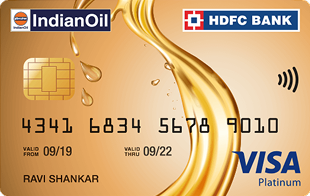
| IndianOil HDFC Bank Credit Card | Groceries | ≈4.8% back | 100 points/month, ₹96 max | ₹500 (waived at ₹50k spend/yr) |
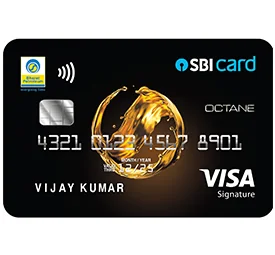
| BPCL SBI Card Octane | BPCL fuel | 25 pts/₹100, 7.25% value back incl. surcharge waiver | 2,500 pts/billing cycle | ₹1,499 (waived at ₹2L spend/yr) |
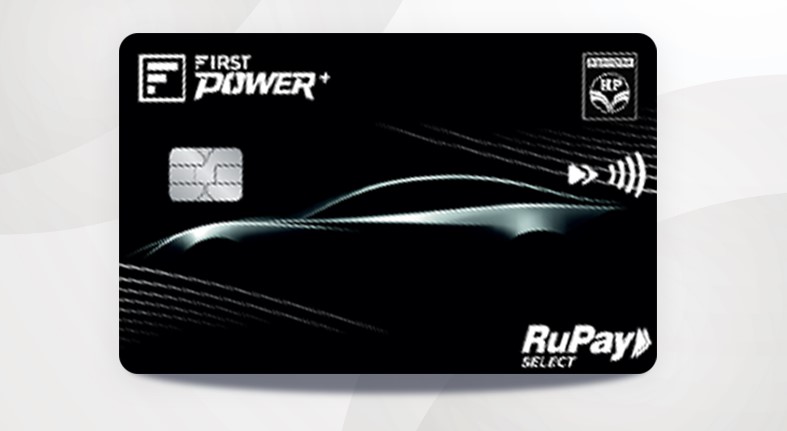
| IDFC FIRST Power Plus | Fuel at HPCL | 6.5% fuel savings | Per issuer terms | ₹499 (waived at ₹1.5L spend/yr) |
Feature. The RBL Shoprite Credit Card leads the grocery column outright, at 20 Reward Points per ₹100, worth about 5% back at the card's own ₹0.25 point value. Caveat. That rate stops the moment 1,000 points accrue in a month, which binds at ₹5,000 of grocery spend, a monthly grocery bill plenty of households clear before the fifteenth. Utility. Spend the full ₹5,000 every month and the card pays back roughly ₹3,000 a year against a ₹500 fee that waives itself at ₹1,50,000 of total annual spend, a threshold most cardholders clear without trying.
Feature. The BPCL SBI Card Octane pays the highest fuel rate in this list, 7.25% value back at BPCL pumps, folding the usual 1% surcharge waiver into the accelerated reward rather than treating it as a separate line. Caveat. It only pays that rate at BPCL stations specifically, and the ₹1,499 annual fee is the steepest of the five cards here, clearing only at ₹2 lakh of yearly spend. Utility. For a household that already fuels mainly at BPCL and spends enough to clear the waiver, 2,500 Reward Points a cycle (≈₹625) on fuel alone is real money that a debit card, used at the exact same pump, returns none of.
Where the debit-card habit actually costs the most
The leak is biggest for spend that is already locked in. Nobody chooses to buy less petrol because a credit card exists; the spend is happening regardless. The only variable is which account absorbs it and whether that account pays anything back. A few habits make the leak worse than it needs to be:
- Autopay and UPI defaults. A debit card or UPI handle set as the default payment method at a regular fuel station or supermarket keeps earning nothing indefinitely, by default, until someone changes it.
- Treating the credit limit as the risk, not the card. The objection to carrying a credit card is usually about discipline, not the card's economics. A credit card used like a debit card, paid in full every statement cycle, carries none of the revolving-credit risk and all of the reward.
- Ignoring the caps entirely. A cardholder who does not know the RBL Shoprite caps out at ₹5,000 of grocery spend a month has no reason to route the rest of the bill through a second card, which is its own smaller leak sitting on top of the debit-card one.
What to do this month
Pick the one category, groceries or fuel, where the household spends the most in a single recurring place, and check whether the card paying for it today runs an accelerated rate in that category at all. If the answer is a debit card, or a credit card sitting on the plain 1-2% default rate, the RBL Shoprite and BPCL SBI Card Octane above are the two sharpest single-category fixes in this catalogue, provided the annual spend clears each one's fee-waiver threshold. The fix is not a new budget line. It is routing spend that was always going to happen through the one card built to pay a slice of it back, every month, for as long as the habit lasts. Our guide to how credit card cashback actually works covers the caps and exclusions worth checking before assuming any headline rate is the rate actually paid.

Frequently asked
Do debit cards earn rewards on groceries and fuel in India?
Most do not run a structured category reward at all. Our catalogue tracks 90 active credit cards and dozens of accelerated grocery and fuel rates among them; it carries no debit-card equivalent to rank against them, because the standing reward layer banks build into accelerated categories is, structurally, a credit-card feature. Occasional UPI-linked debit cashback promotions exist, but they are issuer-run and temporary, not a standing rate.
Does the 1% fuel surcharge waiver apply to debit cards?
The 1% fuel surcharge waiver on transactions between roughly ₹400 and ₹4,000 is a credit-card mandate, capped at ₹100 to ₹250 a statement cycle depending on the issuer. It is not a benefit a debit card is required to carry, so paying for fuel on debit forgoes that waiver as well as any accelerated reward.
Which credit card pays the most on groceries right now?
Among the cards in this guide, the RBL Shoprite Credit Card pays the highest grocery rate: 20 Reward Points per ₹100 (about 5% back), capped at 1,000 points, or roughly ₹250, a month. The BPCL SBI Card Octane pays less on groceries (10 points per ₹100) but leads on fuel, at 7.25% value back on BPCL purchases including the 1% surcharge waiver, capped at 2,500 points a billing cycle.
Is it worth getting a credit card just for groceries and fuel?
If the spend is already happening every month regardless of which card pays for it, yes, provided the annual fee clears. The RBL Shoprite and IDFC FIRST Power Plus both carry fees under ₹500 with waiver thresholds around ₹1,50,000 of annual spend, well inside what a household already spends across a year. The reward is not new money from a new habit; it is money already being spent, now collected instead of forfeited.
Card devaluations, reward maths, and rate changes the day they land.
Follow on X
Reader comments
No comments yet. Share your experience with this card below — the first useful comment helps every reader after you.
Comments are moderated before they appear. Share your real experience with a card — what worked, what didn't, what the bank told you. We don't publish promotional content, referral links, or personal financial details. Keep it useful for other readers.