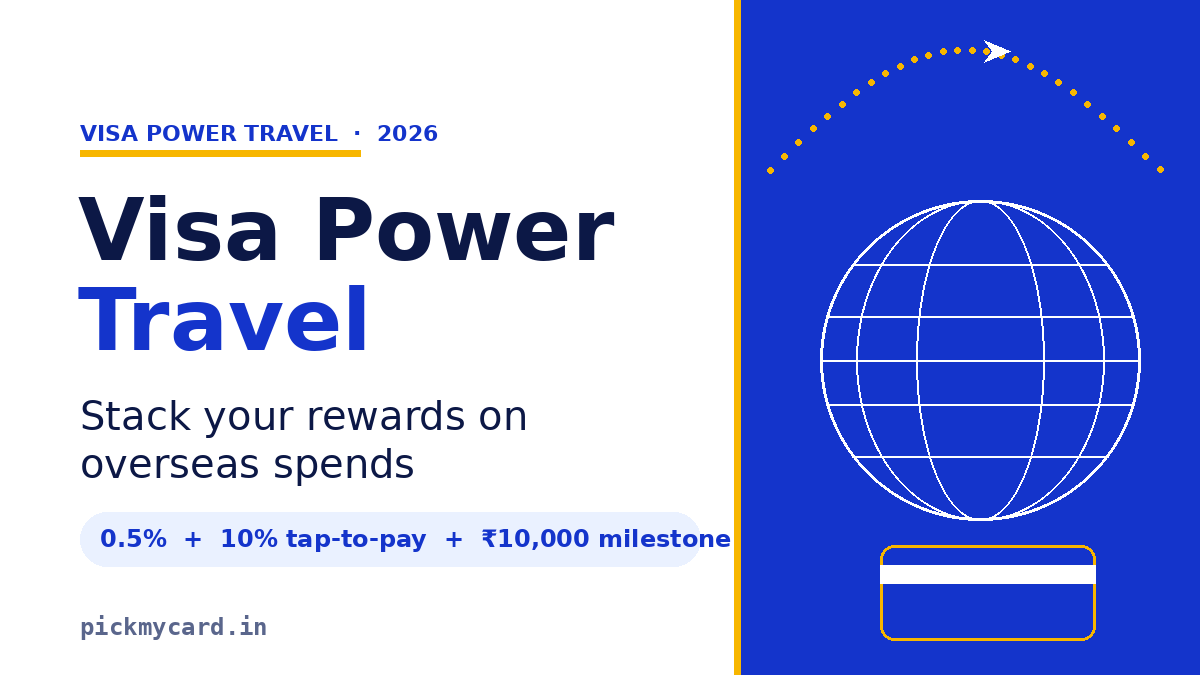
Most Indians who fly abroad this year will pay a foreign-currency markup of 2% to 3.5% on every card swipe, and miss a reward sitting in plain sight. Visa is running a network-wide campaign called Visa Power Travel that pays cardholders for spending overseas, and it stacks on top of whatever the card already earns. None of it is automatic. It takes a registration, a specific way of paying, and a card whose markup does not quietly eat the gain. This guide walks the whole stack, in the order that moves the most money.
What Visa Power Travel actually pays
Visa Power Travel is a network campaign, not a single bank's offer, so the issuing bank does not matter as long as the card runs on Visa. It is valid from 20 April 2026 to 30 September 2026, or until the reward pool runs out, whichever comes first. Eligibility covers valid, active Visa consumer credit, debit and prepaid cards issued in India. Corporate and commercial Visa cards are excluded.
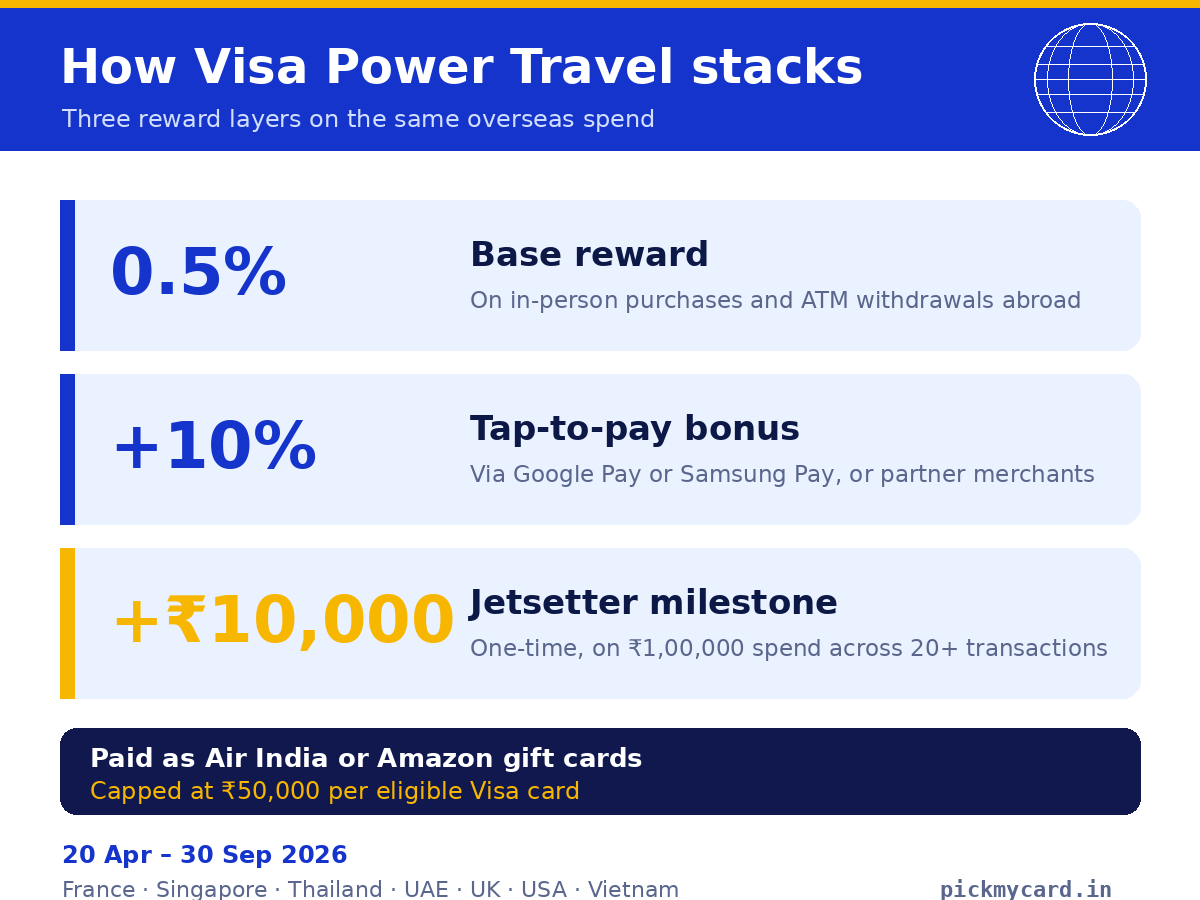
The reward has three layers that stack on the same overseas spend:
- A base 0.5% reward on in-person purchases and ATM withdrawals made in the seven qualifying countries.
- An extra 10% on top of the base for payments made by tap-to-pay through Google Pay or Samsung Pay, or at a listed Visa partner merchant.
- A one-time ₹10,000 Jetsetter milestone for spending ₹1,00,000 abroad across at least 20 separate transactions during the campaign.
The seven qualifying countries are France, Singapore, Thailand, the United Arab Emirates, the United Kingdom, the United States and Vietnam. Rewards arrive as Air India or Amazon gift cards, and the total is capped at ₹50,000 per card. Allocation runs first-come, first-served against a fixed reward pool, so registering early matters.
Register before the first swipe
Rewards do not track automatically against a Visa card. Enrolment happens once, online, at visapowertravel.com, where the card is authenticated on the first login. Spending that happens before enrolment does not count, so the registration belongs at the top of the trip checklist.
The 10% layer is the one most travellers leave on the table, because it depends on how the card is presented, not only which card it is. Adding the Visa card to Google Pay or Samsung Pay and tapping the phone at the terminal earns the bonus; handing over the plastic for a normal swipe earns only the 0.5% base. Contactless limits abroad are higher than India's, and terminals across the seven countries take a phone tap, so the practical move is to load the card into the wallet app before departure and lead with the phone.
The markup decides the real return
A campaign that pays 0.5% means little on a card that charges 3.5% to convert the currency. Foreign-currency markup is the cost side of every overseas swipe, and on most Indian cards it runs 2% to 3.5% plus GST. Keeping the Visa Power Travel reward starts with spending on a Visa card whose markup is already low. A few stand out, and the figures below come straight from each card's own terms:
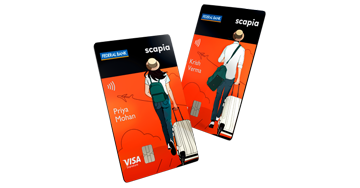
- The Federal Bank Scapia Credit Card charges no forex markup at all and is lifetime free, which makes it the cleanest base for pure overseas spending.
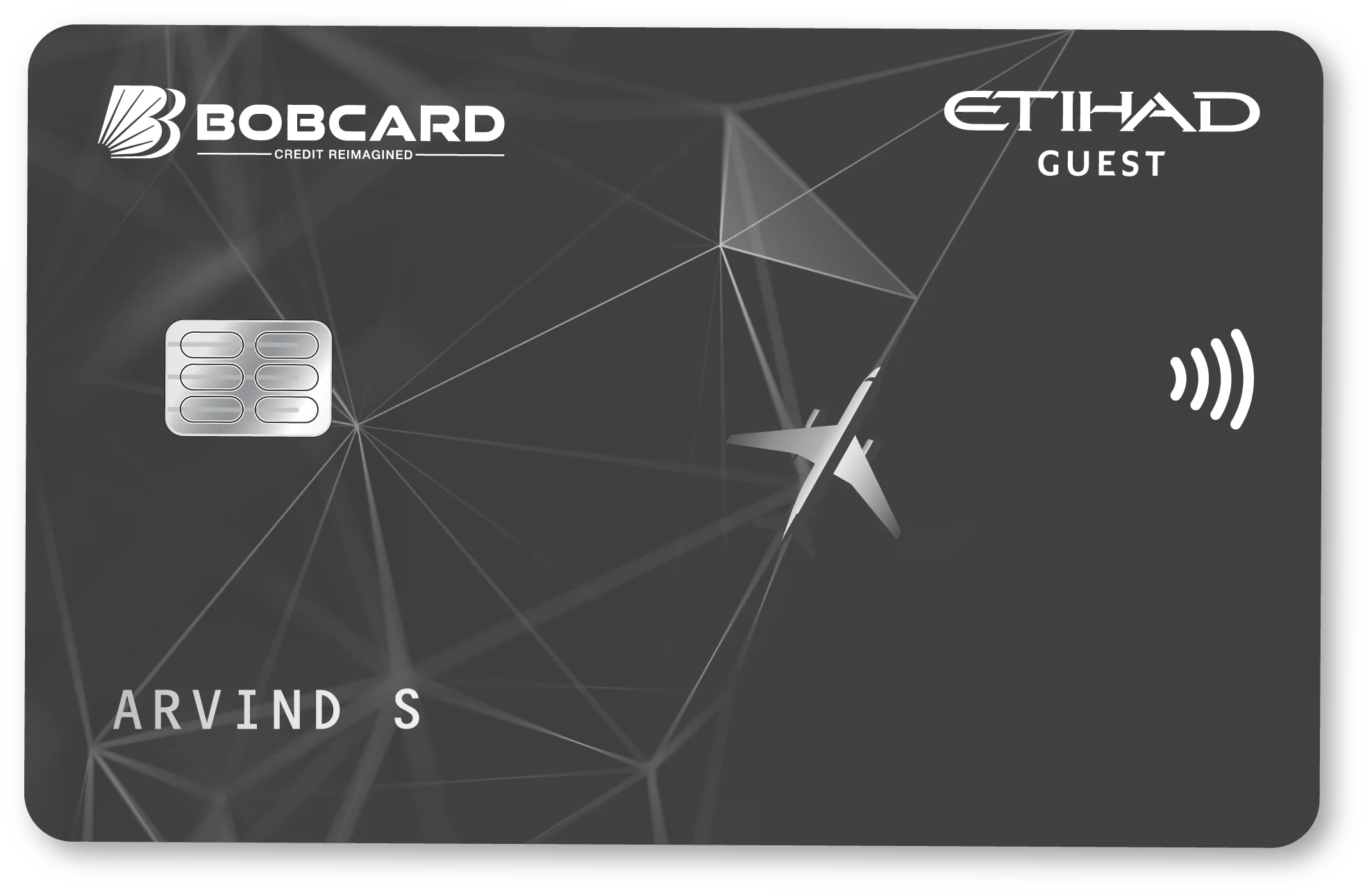
- The BOBCARD Etihad Guest Premium also charges 0% forex markup on international transactions, and earns 2 Etihad Guest Miles per ₹100 on every spend.
- The AU NoMo Credit Card carries a 0.99% markup, among the lowest of any Indian card, and is a secured card that approves without an income check.
- The AU Bank Zenith+ Credit Card sits at 1.99% and bundles eight international lounge visits a year.
- The Tata Neu Infinity HDFC Bank Credit Card holds the markup to 2% against a ₹1,499 annual fee.
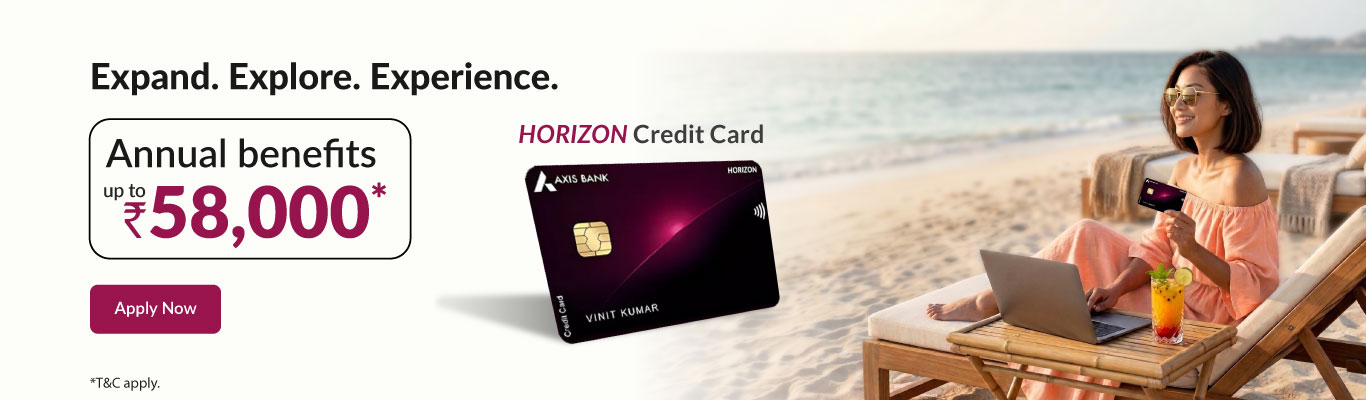
By contrast, the Axis Horizon Credit Card charges 3.5%, which all but cancels the campaign's base layer. That card earns its keep a different way, covered next. The full list, with each card's markup and lounge count, sits in the travel card category.
Stack it on a card that already earns
The campaign reward is one layer. A card's own rewards are another, and they post on the same overseas spend. A travel card with airline and hotel transfers does work a flat-cashback card cannot.
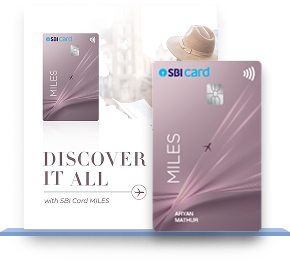
The Axis Horizon Credit Card earns 2 EDGE Miles per ₹100 on all spends and 5 per ₹100 on direct airline and travel-portal bookings, then transfers those miles 1:1 to partner airlines including Singapore Airlines KrisFlyer and British Airways Executive Club. The SBI Card Miles earns 1 Travel Credit per ₹100 on travel spends, worth ₹1 each, transfers 1:1 to airline and hotel programmes, and includes a complimentary Priority Pass membership for the first two years. At the premium end, the Axis Bank Magnus Credit Card gives unlimited international lounge access through Priority Pass and moves points to more than twenty airline and hotel partners.
Lounge access is its own quiet saving on a long-haul trip. The Axis Horizon includes eight international lounge visits a year via Priority Pass, and the Tata Neu Infinity HDFC Bank card includes four. A single lounge pass bought at the gate often runs $35 or more, so a few included visits can outweigh a full year's annual fee.
A ₹1 lakh trip, stacked
Picture a two-week trip through Singapore and Thailand with ₹1,00,000 of in-person spending across roughly 25 transactions, all paid by tapping a zero-markup Visa card.
- Base reward: 0.5% of ₹1,00,000 is ₹500.
- Tap-to-pay layer: an additional 10% applies to tap-to-pay and listed partner-merchant spends, the largest of the three layers and the reason the phone beats the plastic. The partner list and any per-layer limits sit in Visa's terms.
- Jetsetter milestone: ₹10,000, earned once ₹1,00,000 and 20 transactions are cleared.
- Card rewards: 1% back in Scapia coins on the Scapia card, or air miles on a miles card, posted on the same spend.
- Forex saved: about ₹3,500 not paid to the bank, against a card charging 3.5%.
Campaign rewards across all layers are capped at ₹50,000 per card and drawn from a shared pool, so the milestone and the early transactions are where the stack pays best.
Before you board, in order
The stack only works when it is assembled in sequence, so here is the order that captures every layer:
- Register at visapowertravel.com and authenticate the Visa card, before any overseas spend.
- Load that card into Google Pay or Samsung Pay, and plan to tap rather than swipe.
- Choose the card by its forex markup first; a zero or sub-2% markup keeps the reward instead of donating it back.
- Concentrate the first ₹1,00,000 of spend across at least 20 transactions to clear the ₹10,000 milestone.
- Let the card's own miles or coins ride on top, and bank the included lounge visits on the long-haul legs.
For travellers still choosing the card itself, the 60-second card quiz narrows the field by spending pattern. The campaign closes on 30 September 2026, but the habits it rewards, paying by tap and watching the markup, are worth keeping long after.
Summing up
For anyone with an international trip booked before 30 September 2026, Visa Power Travel is worth the ten minutes of setup. The headline percentage is not the real win; the combination is. Register, pay by phone tap, and carry a Visa card whose forex markup sits near zero, and the campaign reward, the card's own miles, and the markup saved all post against the same spend. For travellers with no trip in that window, there is nothing to claim here, and no card worth applying for on the strength of a campaign that closes in September.
Sources
Frequently asked
What is the Visa Power Travel offer and how much can I earn?
Visa Power Travel is a Visa network campaign for Indian cardholders spending overseas. It pays a 0.5% base reward on in-person purchases and ATM withdrawals, an extra 10% on tap-to-pay and partner-merchant spends, and a one-time ₹10,000 milestone. Total rewards are capped at ₹50,000 per card.
How do I register for Visa Power Travel?
Enrol once at visapowertravel.com and authenticate your Visa card on the first login. Spending done before you register does not count, so enrol before your trip. The campaign runs from 20 April 2026 to 30 September 2026, or until the reward pool is exhausted, whichever comes first.
Which Visa credit card is best for international travel from India?
For overseas spending, forex markup matters most. The Federal Bank Scapia card charges 0% markup and is lifetime free. The BOBCARD Etihad Guest Premium also charges 0% and earns Etihad miles. For airline transfers, the Axis Horizon and SBI Card Miles move points 1:1 to partner programmes.
Do online international purchases qualify for Visa Power Travel rewards?
The base 0.5% reward applies to in-person POS purchases and ATM withdrawals in the seven qualifying countries, not online spends. The extra 10% layer rewards tap-to-pay payments through Google Pay or Samsung Pay and spends at listed Visa partner merchants. Paying in person by phone tap captures the most.
Which countries are covered by Visa Power Travel?
Seven destinations qualify: France, Singapore, Thailand, the United Arab Emirates, the United Kingdom, the United States and Vietnam. Spending in any other country does not earn campaign rewards. Rewards are paid as Air India or Amazon gift cards, capped at ₹50,000 per eligible Visa card.
Card devaluations, reward maths, and rate changes the day they land.
Follow on X
Reader comments
No comments yet. Share your experience with this card below — the first useful comment helps every reader after you.
Comments are moderated before they appear. Share your real experience with a card — what worked, what didn't, what the bank told you. We don't publish promotional content, referral links, or personal financial details. Keep it useful for other readers.