Most cardholders read this year's wave of reward cuts as banks getting greedy. The less comfortable reading is that the old rewards model was quietly losing money, and 2026 is the year issuers stopped pretending otherwise.
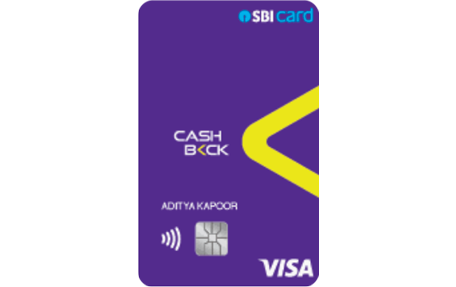
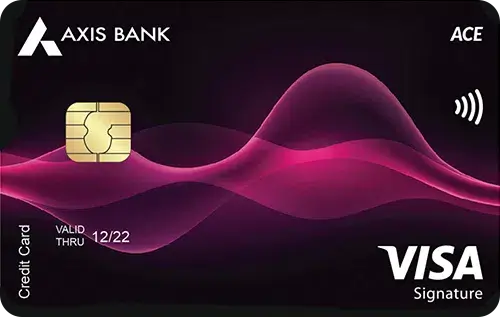
The cuts themselves are no longer news to anyone who holds an affected card. SBI Card now lets Cashback SBI Card holders redeem points only in multiples of 4,000, with monthly redemptions capped at 60,000 points. HDFC Bank moved Regalia Gold from 4 points per Rs 150 to 5 points per Rs 200 and put three domestic lounge visits behind a Rs 60,000 quarterly spend gate. Axis Bank walked away from Accor, Marriott and Qatar Airways as transfer partners and trimmed ratios on what remained. We track every one of these changes, issuer by issuer, in our running devaluation list. This post is about the question underneath: why is everyone cutting at once?
The three-legged stool that paid for your points
A credit card programme earns money from three places. Interchange, the slice of every transaction the issuing bank collects from the merchant's side, is the engine: on premium cards it can run north of 2%. Annual fees are the second leg. The third is interest income from revolvers, the minority of customers who carry a balance at 36% to 42% a year.
Rewards were always paid out of that pool, and the arithmetic only worked while all three legs held. A cardholder who swipes a lot, pays fees without blinking and occasionally revolves is profitable enough to shower with lounge visits. The problem is that India's card base stopped looking like that customer. The base has grown past eleven crore cards, and the marginal card issued in the 2021 to 2024 acquisition sprint went disproportionately to younger, thinner-file borrowers who transact small, pay no fee after the waiver chase, and, increasingly, do not pay at all.
What changed in the maths
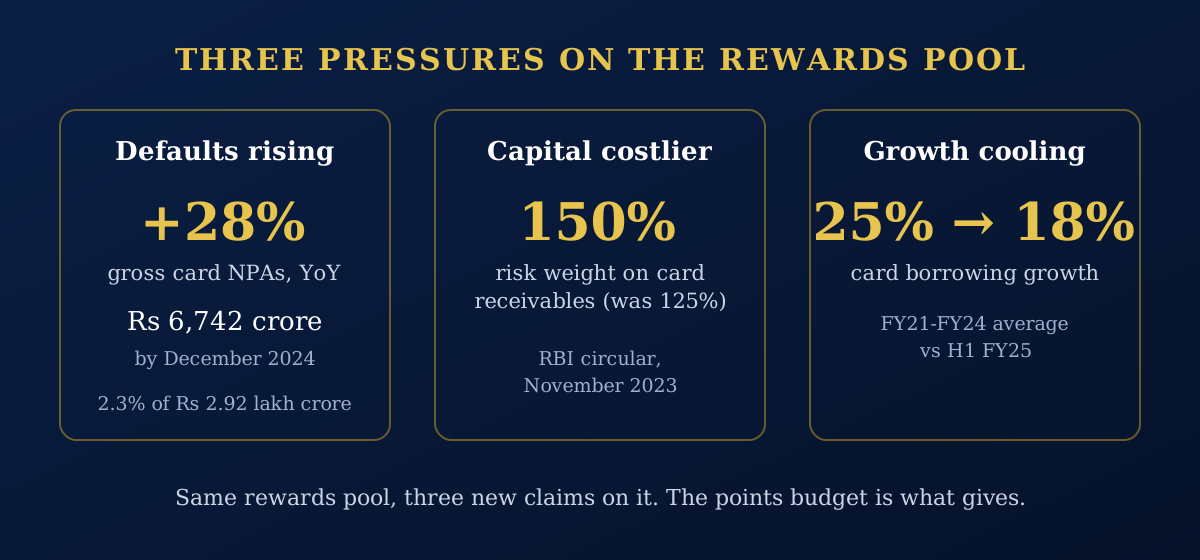
Two numbers explain most of 2026. The first is defaults. Gross NPAs in credit cards rose about 28% year-on-year to Rs 6,742 crore by December 2024, which is 2.3% of the Rs 2.92 lakh crore then outstanding. CRIF High Mark's bureau data showed the stress earlier and more starkly: accounts 91 to 180 days past due climbed from 6.5% to 7.6% in the year to June 2024. Every rupee written off comes out of the same pool that funds points.
The second is the price of capital. The RBI's November 2023 circular raised the risk weight on banks' credit card receivables by 25 percentage points to 150%. In plain terms, a bank must now hold half again as much capital against card balances as it does against a standard loan. That makes the card book more expensive to run even when customers behave, and it landed precisely as defaults said they would not.
There is a quieter third force: the points themselves. Every unredeemed point sits on the issuer's books as a liability, and years of aggressive earn rates built that liability into something CFOs now notice. Redemption caps and minimum-multiple rules, the exact levers SBI Card just pulled, are how a bank shrinks a points liability without announcing a devaluation. A cap is a cut that never shows up in the headline earn rate.
Industry voices have been candid about the direction. BankBazaar's Adhil Shetty describes the shift as moving from benefit-led cards to behaviour-led cards: rewards tied to how and where you spend rather than granted for holding the plastic. That is a polite way of saying the free lunch is being repriced per plate.
Why the cuts cluster in 2026
Banks rarely devalue alone, because being first is commercially painful and being last is expensive. The 2023 risk-weight change, the 2024 delinquency data and the slowdown in unsecured growth (card borrowing growth cooled from roughly 25% a year between FY21 and FY24 to about 18% in the first half of FY25) all pushed the industry to the same conclusion at the same time. Once one large issuer moved, the competitive cost of following collapsed. Hence a spring and summer in which SBI, HDFC and Axis all recalibrated within weeks of one another, with smaller issuers following the same playbook we have documented on SmartBuy voucher caps and elsewhere.
One caution about what is not driving this. India has no regulatory cap on credit card interchange, unlike Australia or Europe, so the revenue engine has not been legislated away. UPI has absorbed small-ticket spending, which trims volume growth, but card spends themselves are still rising. The squeeze is on the cost side of the programme, not the revenue side of the rails.
What this actually means for your wallet
The ownership era is over; the behaviour era has arrived. Benefits that used to come with the card (lounge access above all) now come with the spend. That is bad news for the cardholder who kept a premium card lightly used for its perks, and surprisingly neutral news for the one whose monthly spending clears the new gates anyway.
It also changes how a card should be judged. Headline earn rates survive devaluations; caps, exclusions and redemption rules are where the value quietly leaves. A 5% cashback card with a tight monthly ceiling and a 4,000-point redemption multiple is a very different product from the same card two years ago, at the same advertised rate.
How to play a shrinking rewards market
Reread the terms on every card you hold this quarter, because the fine print has moved even where the marketing has not. Map your actual spend against the new thresholds before paying any renewal fee, and if the maths no longer clears, our guide to when fee waivers actually save you money covers the renegotiation. Favour cards whose value survives caps you will realistically hit. And treat every points balance as a depreciating asset: redeem steadily rather than hoarding toward a dream redemption that may be devalued before you reach it.
We expect more of the same through the rest of 2026. The issuers that have not yet moved are watching the ones that did, and nothing in the underlying numbers has turned.
Sources


Frequently asked
Why are Indian banks reducing credit card rewards in 2026?
Three pressures converged: credit card defaults rose sharply (gross NPAs in cards grew about 28% year-on-year to Rs 6,742 crore by December 2024), the RBI's November 2023 circular raised the risk weight on credit card receivables to 150% making every rupee of card lending costlier to fund, and unredeemed reward points sit on bank books as a liability that grows with every generous earn rate. Cutting rewards relieves all three at once.
Which banks have cut credit card rewards in 2026?
The big three all moved. SBI Card restricted Cashback SBI Card redemptions to multiples of 4,000 points from April 2026 and capped monthly redemptions at 60,000 points. HDFC Bank recalibrated Regalia Gold earn rates from 4 points per Rs 150 to 5 points per Rs 200 and made lounge access conditional on Rs 60,000 quarterly spend. Axis Bank dropped transfer partners including Accor, Marriott and Qatar Airways and cut transfer ratios.
Will credit card rewards keep getting worse in India?
The direction of travel points that way for flat, unconditional benefits. Issuers are moving to spend-linked structures where lounge access, milestone benefits and accelerated earn rates require minimum spends. Rewards are not disappearing, but they increasingly have to be earned through behaviour rather than granted by ownership.
What should cardholders do about the 2026 reward cuts?
Reread the terms of every card you hold, because caps and exclusions have changed even where headline rates have not. Check whether your spend pattern still clears the new thresholds for lounge access and milestones. If a card's annual fee no longer pays for itself, ask for a waiver or downgrade, and track ongoing changes so the next devaluation does not catch you mid-year.
Card devaluations, reward maths, and rate changes the day they land.
Follow on X
Reader comments
No comments yet. Share your experience with this card below — the first useful comment helps every reader after you.
Comments are moderated before they appear. Share your real experience with a card — what worked, what didn't, what the bank told you. We don't publish promotional content, referral links, or personal financial details. Keep it useful for other readers.