A bank in India has seven working days to close a credit card once the cardholder asks, and every calendar day it runs past that deadline costs it ₹500, payable to the cardholder. That obligation sits in paragraph 19 of the Reserve Bank of India (Commercial Banks - Credit Cards and Debit Cards: Issuance and Conduct) Directions, 2025, notification RBI/DOR/2025-26/155 dated November 28, 2025. Knowing how to close a credit card in India is therefore less a negotiation with a retention agent and more a matter of starting a documented clock, and the first move is working out which rulebook the card in hand sits under.
The harder half is everything before the request goes in. Reward balances usually die the moment an account closes. A limit that disappears pushes the utilisation ratio on every remaining card upward for the same monthly spend. An account closed while a chargeback is still open removes the cleanest route to getting that money back. Each of those is reversible beforehand and permanent afterwards.
How to close a credit card in India, as the regulation writes it
Scope comes before substance here, because the Directions quoted throughout this guide bind one class of issuer. Their applicability clause defines Commercial Banks as banking companies (other than small finance banks, payments banks and local area banks), corresponding new banks, and the State Bank of India, as defined under clauses (c), (da) and (nc) of Section 5 of the Banking Regulation Act, 1949. A card issued by HDFC Bank, Axis Bank or IDFC FIRST Bank is covered by it. A card issued by a non-banking financial company is not.
Non-bank issuers sit under their own instrument, the Reserve Bank of India (Non-Banking Financial Companies - Credit Cards: Issuance and Conduct) Directions, 2025, notification RBI/DOR/2025-26/348, also dated November 28, 2025. Substantively the two run in parallel on closure: seven working days, ₹500 per calendar day of delay, the same channel obligations, the same one-year dormancy trigger. What differs is the numbering, and it differs exactly where a cardholder escalating a complaint would notice. Grievance redressal and the Ombudsman gate sit at paragraph 79 in the non-bank instrument against paragraph 85 in the commercial bank one. Quoting a paragraph number to an issuer that is not governed by it is the fastest way to have a complaint answered on a technicality.
With that settled, paragraph 19 of the commercial bank Directions is short and unambiguous:
Any request for closure of a credit card shall be honoured within seven working days
That honouring is conditional on one thing only: payment of all dues by the cardholder. Nothing in the paragraph lets an issuer route the request through a retention call, a branch visit, or a product upgrade offer first.
Miss the deadline and paragraph 19 attaches a price. The penalty runs at ₹500 per calendar day of delay, payable to the cardholder, and it continues till the closure of the account, provided there is no outstanding in the account. That last condition matters more than it looks. A ₹40 unbilled interest line or a stray ₹200 annual-fee GST entry is an outstanding, and an outstanding suspends the meter.
Paragraph 19 also requires the card-issuer to notify the cardholder immediately after the closure, through email, SMS and similar channels. Paragraph 21 handles money moving the other way: any credit balance sitting in the closed account has to be transferred to the cardholder's bank account, and the issuer must obtain those bank details if it does not already hold them. A credit balance is not forfeited by closure, and it is not a voucher.
The channels a card-issuer cannot refuse
Most of the friction in credit card closure comes from issuers steering the request into a slow lane. The RBI credit card closure rules close that lane explicitly, and both 2025 instruments carry the clause. Paragraph 19 requires that cardholders be given the option to submit a closure request through multiple channels: the helpline, a dedicated email address, Interactive Voice Response, a prominently visible link on the website, internet banking, the mobile app, or any other mode. Six named routes, and the list is open-ended rather than exhaustive.
Then comes the sentence worth memorising. The card-issuer shall not insist on sending a closure request through post or any other means which may result in the delay of receipt of the request. A demand for a signed physical letter, a courier, or a branch appearance is not a procedural preference. It is non-compliance with a named clause.
Note the asymmetry in the units, because it works in the cardholder's favour. The deadline is counted in seven working days, so weekends and holidays do not run against the issuer. Penalty accrues in calendar days. A request lodged on a Monday that is still open a month later has accumulated ₹500 across every Saturday and Sunday in between.
What happens to a card nobody is using
Unused credit card closure is not left to the cardholder's initiative either. Paragraph 20 sets the trigger at more than one year of non-use. Once a card crosses it, the issuer has to initiate the closure process, and it has to intimate the cardholder before doing so.
The cardholder then gets a 30-day window to reply. Silence is treated as consent: if no reply is received within 30 days, the account is closed, again subject to payment of all dues. Paragraph 20 then adds the reporting leg, requiring the closure to be updated with the credit information companies within a period of 30 days.
Two consequences follow, and neither is obvious. A dormant card is not a safely parked line of credit, because the issuer is under an obligation to move on it, not merely an option. And an issuer-initiated closure does exactly the same arithmetic to a credit file as a cardholder-initiated one, except the cardholder does not get to choose which card leaves. A single small transaction inside a twelve-month period keeps that decision where it belongs.
Every deadline the two instruments attach to a closure fits in one view. Read the last two columns as a pair: the obligations match, and only the escalation clause moves.
| Obligation on the card-issuer | The clock | Commercial Banks Directions | NBFC Credit Cards Directions |
|---|---|---|---|
| Honour a closure request once all dues are paid | 7 working days | Paragraph 19 | Paragraph 19 |
| Compensate the cardholder for delay | ₹500 per calendar day | Paragraph 19 | Paragraph 19 |
| Accept the request by helpline, email, IVR, website link, internet banking or app | At the point of request | Paragraph 19 | Paragraph 19 |
| Begin closing a card unused for more than a year | After 12 months of non-use | Paragraph 20 | Paragraph 20 |
| Wait for the cardholder's reply before closing | 30 days | Paragraph 20 | Paragraph 20 |
| Report the closure to the credit information companies | 30 days | Paragraph 20 | Paragraph 20 |
| Transfer any credit balance to the cardholder's bank account | On closure | Paragraph 21 | Paragraph 21 |
| Answer a complaint before the Ombudsman gate opens | 30 days | Paragraph 85 | Paragraph 79 |
Eight obligations, two instruments, one divergence in numbering. Everything a cardholder actually has to do sits on the other side of that table, before the request is sent.
Five steps before the closure request goes in
Sequencing is what separates a clean closure from an expensive one. The order below is the one that costs nothing.
- Redeem or move the reward balance first. Points and cashback held in an issuer's programme are generally extinguished at closure, and several programmes have a redemption floor that strands small balances. The HDFC Bank MoneyBack+ Credit Card needs a minimum of 2,500 CashPoints before any redemption is possible, redeemed in multiples of ₹500, at 1 CashPoint equal to ₹0.25. A balance of 2,499 CashPoints is worth ₹624.75 in theory and ₹0 in practice, whether or not the account closes. Anything above the floor should be redeemed and confirmed as redeemed before step five.
- Take the balance to exactly zero, including converted EMI. A closure request is only enforceable once dues are cleared, and an active EMI conversion is a due that a "pay total amount" tap does not always retire. Ask for the foreclosure figure in writing, pay that figure, and wait for it to reflect.
- Cancel every standing instruction and saved-card mandate. Utility auto-debits, insurance premiums, subscription renewals, and e-mandates registered against the card number all need to move to another instrument first. A mandate that fires after the request has gone in re-opens a balance and restarts the dues condition on the seven-day clock.
- Let one full statement cycle close at zero. This catches the entries that land late: a forex markup posted days after the transaction, a merchant's delayed settlement, an interest line on a partly paid previous bill. A statement showing nil is the document that makes the next step clean.
- Send the closure request in writing and timestamp it. The helpline is a valid channel under paragraph 19, but a dedicated email address or an in-app request produces a reference number and a date. That date is what the ₹500 per calendar day penalty is measured from.
One card type deserves a step of its own. The IDFC FIRST WOW! Credit Card is secured against a fixed deposit of ₹20,000 minimum, with the credit limit set at 100% of that deposit. Closure releases the deposit rather than simply ending a relationship, so the confirmation to chase on a card like the IDFC FIRST WOW! is the one showing the fixed deposit unlienned and credited back.
What closing does to the credit file
Credit card closure affects a CIBIL score through two mechanisms, and neither involves the closure itself being recorded as a negative event.
The first is the utilisation ratio. Take a cardholder carrying limits of ₹2,00,000 on one card and ₹1,00,000 on another, with ₹60,000 of spending across them in a month. Utilisation is ₹60,000 against ₹3,00,000, or 20%. Close the smaller card and the same ₹60,000 of spending now sits against ₹2,00,000, which is 30%. Nothing about the spending changed. The ratio moved ten percentage points because the denominator shrank.
Age is the second mechanism. Scoring models read the average age of accounts on a file, and closing the oldest card pulls that average down in a way that no subsequent behaviour repairs quickly. A card opened during a first job and barely used since is, in credit-file terms, the most valuable object in the wallet.
A separate situation has nothing to do with scores at all. An account with a live dispute, a chargeback in progress, or an unresolved fraud claim should stay open until that matter closes. Once the account is shut, the reversal has nowhere obvious to land, and paragraph 21's credit-balance transfer becomes a follow-up rather than an automatic settlement.
The card worth keeping open
The fee line decides whether keeping a card open is free or paid, and the answer is often free.
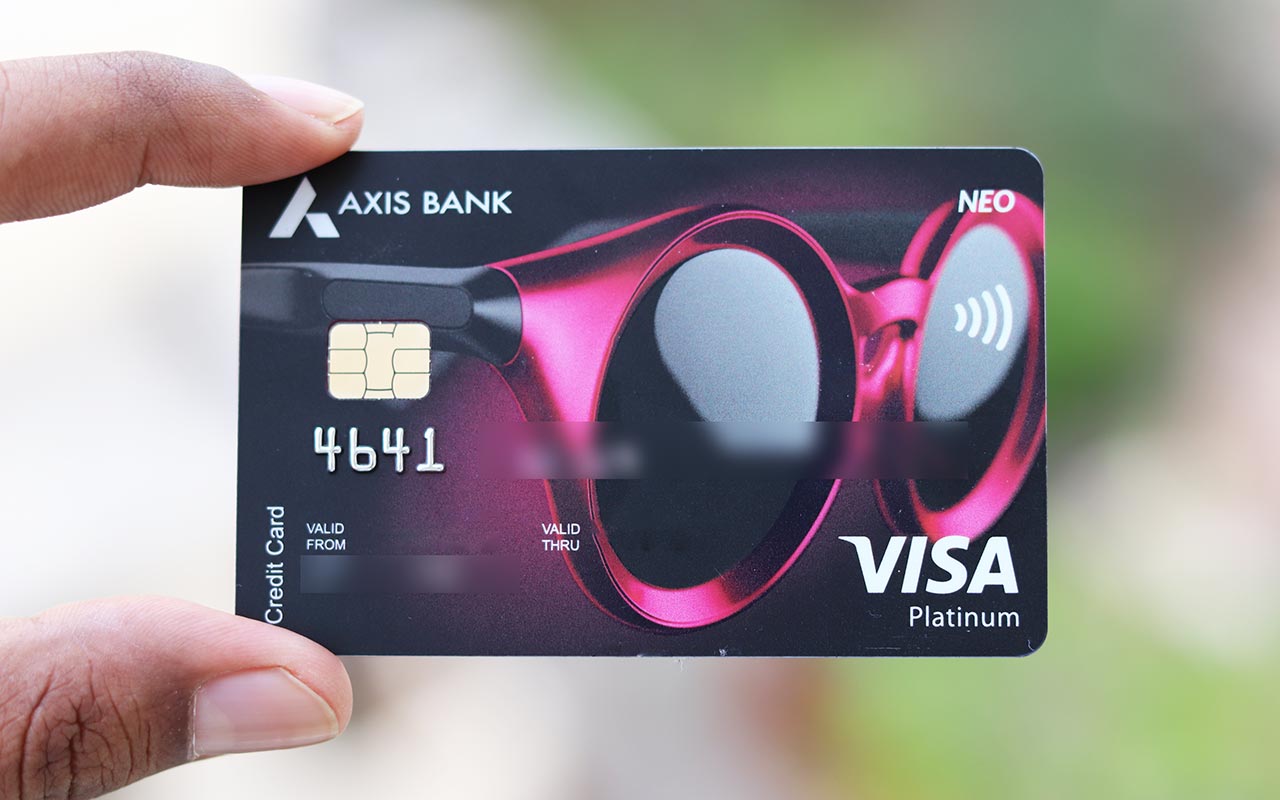
A lifetime-free card costs ₹0 in joining fee and ₹0 in annual fee, so leaving it open buys credit-file age and headroom at no price. The Axis Neo RuPay Credit Card is one of those, at ₹0 on both lines, and Axis Bank is a banking company, which puts the seven-working-day clock and the ₹500 meter squarely behind any closure request made on it. A card in that position is the last one in the wallet anybody should shut.
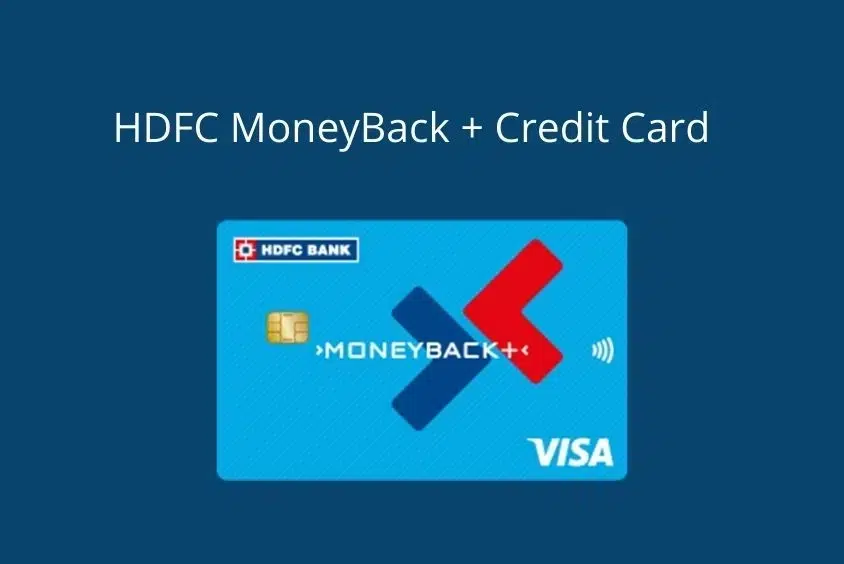
The HDFC Bank MoneyBack+ Credit Card occupies the middle. Its ₹500 annual fee is waived on annual spends of ₹50,000 or more in the preceding year, which is ₹4,167 a month of routed spending. Keeping it alive as the card that pays one recurring bill is usually cheaper than closing it and watching the utilisation ratio climb on whatever remains.
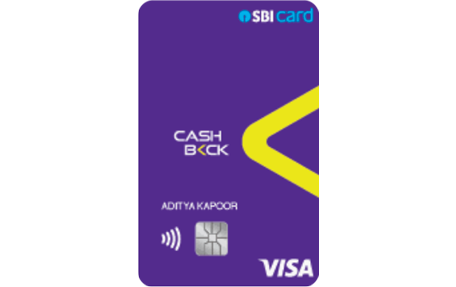
Closure becomes a defensible trade only when the fee is real and the waiver is out of reach. The SBI Cashback Credit Card charges ₹999 a year, waived only on annual spend of ₹2,00,000 or more. A cardholder routing ₹8,000 a month through it reaches ₹96,000 in a year, which is less than half the waiver threshold, so the ₹999 is a certainty rather than a risk. Weigh that against what the closure does to the utilisation denominator and decide.
One caution on that card specifically, and it is the reason scope came first. It is issued by SBI Cards and Payment Services Limited, which describes itself in its own stock-exchange filings as a non-banking financial company, rather than by State Bank of India. Paragraph 85 of the commercial bank Directions does not bind it. A complaint about a delayed closure on that card cites paragraph 19 of the non-bank Directions for the seven days and the ₹500, and paragraph 79 of the same instrument for the Ombudsman.
Rank the wallet by limit and by opening date before deciding. The card to close is rarely the oldest one and rarely the one carrying the largest limit.
The NOC question, and what to keep instead
Cardholders are often told to demand a No Objection Certificate after card closure. We could not find any obligation to issue one in either 2025 instrument, the commercial bank Directions or the non-bank Directions. Issuers do provide closure letters on request, and there is no reason to refuse a free document, but the paperwork that the regulation actually guarantees is different and more useful.
What the Directions do put on the record is the immediate closure notification by email or SMS under paragraph 19, the transfer of any credit balance to the cardholder's bank account under paragraph 21, and the update to the credit information companies within 30 days under paragraph 20. Save the notification, confirm the balance landed, and verify the bureau entry.
Verification is the step people skip. Pull the credit report roughly 30 days after the closure confirmation and check that the account shows as closed with a nil balance rather than as active or as written off. A closed account reported wrongly does more damage than the closure ever could, and it is far easier to correct within weeks than within years. Our guide on building a 780 CIBIL score using just one credit card covers what a clean single-card file looks like on a report, which is a useful reference point when reading the entry.
If the bank misses the seven days
The ₹500 per calendar day penalty is not discretionary and it is not a goodwill gesture. It is payable to the cardholder for every calendar day of delay past seven working days, running till the account closes, on the condition that no outstanding sits in the account. Which is why step two and step four above matter: a zero balance is what makes the meter run.
Escalation has a defined path. Lodge a written complaint with the card-issuer first and keep the reference number. Paragraph 85 of the commercial bank Directions then sets the next gate: if the card-issuer does not respond within a period of 30 days after the complaint is filed, or rejects it wholly or partly, or if the cardholder is not satisfied with the resolution, the complaint can be taken to the Ombudsman. Rejection and an unsatisfactory response both open that door immediately, without waiting out the 30 days. For a card issued by a non-banking financial company the same gate sits at paragraph 79 of the non-bank Directions, on the same 30-day terms.
Bring four things to the complaint: the closure request with its date and reference number, the statement showing nil dues, the absence of a closure confirmation, and the day count. Delay is arithmetic once the start date is documented, and arithmetic is difficult to argue with.
Sources
- Reserve Bank of India (Commercial Banks - Credit Cards and Debit Cards: Issuance and Conduct) Directions, 2025, notification RBI/DOR/2025-26/155 dated November 28, 2025, https://rbi.org.in/scripts/BS_ViewMasDirections.aspx?id=13155 - source of the seven-working-day closure obligation and the ₹500 per calendar day penalty (paragraph 19), the multiple-channel requirement and the bar on insisting on postal requests (paragraph 19), the closure notification by email and SMS (paragraph 19), the one-year non-use trigger, the 30-day cardholder reply window and the 30-day credit information company update (paragraph 20), the transfer of any credit balance to the cardholder's bank account (paragraph 21), and the 30-day Ombudsman escalation gate (paragraph 85). Also the source of the applicability clause, which defines Commercial Banks as banking companies (other than small finance banks, payments banks and local area banks), corresponding new banks and the State Bank of India, under clauses (c), (da) and (nc) of Section 5 of the Banking Regulation Act, 1949. The repeal clause is generic: it repeals the existing Directions, instructions and guidelines on Credit Card and Debit Card issuance and conduct as applicable for Commercial Banks, and names no earlier instrument, so this post does not claim it replaced the 2022 Master Direction, which covered banks and non-banking financial companies together. Checked 14 September 2026.
- Reserve Bank of India (Non-Banking Financial Companies - Credit Cards: Issuance and Conduct) Directions, 2025, notification RBI/DOR/2025-26/348 dated November 28, 2025, https://www.rbi.org.in/Scripts/BS_ViewMasDirections.aspx?id=12956 - source of the separate instrument governing credit cards issued by non-banking financial companies, its applicability to NBFC-ICC, NBFC-Factor, NBFC-MFI and HFC entities, the closure obligation and the ₹500 per calendar day compensation at paragraph 19, the channel list and the bar on insisting on post at paragraph 19, the one-year non-use trigger, the 30-day reply window and the 30-day credit information company update at paragraph 20, the credit balance transfer at paragraph 21, and the grievance redressal and Ombudsman provision at paragraph 79. Checked 14 September 2026.
- Reserve Bank of India (Commercial Banks - Credit Cards and Debit Cards: Issuance and Conduct) Amendment Directions, 2026, notification RBI/2026-27/29 dated April 27, 2026, https://www.rbi.org.in/Scripts/NotificationUser.aspx?Id=13388&Mode=0 - checked to confirm that the most recent amendment to the 2025 Directions modifies paragraph 23(5) on days-past-due reporting and late payment charges, and does not alter any closure provision. Checked 14 September 2026.
- SBI Cards and Payment Services Limited, stock exchange filing and press release dated April 24, 2025, https://www.sbicard.com/sbi-card-en/assets/docs/pdf/who-we-are/notices/SEFilingPressRelease24apr25.pdf - source of the issuer's own description of itself as a non-banking financial company, which is why the SBI Cashback Credit Card falls under the 2025 non-bank Directions rather than the commercial bank Directions cited elsewhere in this post. Checked 14 September 2026.
- Not confirmed: no provision requiring a card-issuer to issue a No Objection Certificate after credit card closure was found in either the Commercial Banks Directions, 2025 (https://rbi.org.in/scripts/BS_ViewMasDirections.aspx?id=13155) or the Non-Banking Financial Companies Credit Cards Directions, 2025 (https://www.rbi.org.in/Scripts/BS_ViewMasDirections.aspx?id=12956). Neither document uses the term. No figure for an NOC timeline is stated in this post for that reason. Checked 14 September 2026.
- Card-level figures (fees, waiver thresholds, reward-programme floors and redemption values, secured-card deposit minimums) come from this site's catalogue, verified against issuer Most Important Terms and Conditions documents: SBI Cashback Credit Card verified 2026-07-13, HDFC Bank MoneyBack+ Credit Card verified 2026-07-02, IDFC FIRST WOW! Credit Card verified 2026-07-02, Axis Neo RuPay Credit Card verified 2026-07-02. Checked 14 September 2026.

Frequently asked
How long does a bank have to close a credit card in India?
Seven working days from the closure request, under paragraph 19 of the RBI Commercial Banks Directions of 2025, provided all dues are paid. Beyond that the bank owes ₹500 for every calendar day of delay, payable to the cardholder, while no outstanding remains. A card issued by a non-banking financial company follows separate Directions.
Does closing a credit card hurt my CIBIL score?
It can, in two ways. The closed card's limit leaves the total available credit, so the utilisation ratio on the remaining cards rises for the same spend. Closing an old account also shortens the average age of the credit file. Keeping a lifetime-free card open avoids both.
What happens if I never use my credit card?
After more than one year without use, the card-issuer must start the closure process and intimate the cardholder first. If no reply arrives within 30 days, the account is closed, subject to dues being paid. The closure is then reported to the credit information companies within 30 days.
Is a bank required to give an NOC after credit card closure?
We found no NOC obligation in the 2025 Commercial Banks Directions or in the 2025 Directions covering non-banking financial companies. What both instruments do require is transfer of any credit balance to the cardholder's bank account and an update to the credit information companies within 30 days.
Can a bank insist that I send a closure request by post?
No. Paragraph 19 requires closure requests to be accepted through multiple channels, including the helpline, a dedicated email address, IVR, a prominently visible link on the website, internet banking and the mobile app. The card-issuer cannot insist on post or any route that delays receipt of the request.
Card devaluations, reward maths, and rate changes the day they land.
Follow on X
Reader comments
No comments yet. Share your experience with this card below — the first useful comment helps every reader after you.
Comments are moderated before they appear. Share your real experience with a card — what worked, what didn't, what the bank told you. We don't publish promotional content, referral links, or personal financial details. Keep it useful for other readers.