The BPCL SBI Card Octane returns 7.25% on BPCL fuel. The IndianOil HDFC Bank Credit Card tops out at ₹144 a month no matter how much petrol flows through it. Both sit in the same "fuel card" bucket, and the distance between them is the whole story of this category. So I rank the best fuel credit cards in India for 2026 by the only number that survives contact with a petrol pump: value-back per ₹100, after the caps. And one rule outranks every rate on this page: start with the pump already on your daily route, because a detour to reach a co-brand station burns petrol the card never repays.
How I rank the best fuel credit cards
The caps tell the story faster than any prose, so here is the whole field in one view:
| Card | Annual fee | Max fuel cashback / month | Max fuel cashback / year | Fuel spend / month where the cap maxes out |
|---|---|---|---|---|
| BPCL SBI Card Octane | ₹1,499 | ₹625 | ₹7,500 | ₹10,000 |
| RBL IndianOil Xtra | ₹1,500 | ₹1,000 | ₹12,000 | ₹13,333 |
| RBL IndianOil | ₹500 | ₹500 | ₹6,000 | ₹10,000 |
| IDFC First Power Plus | ₹499 | Uncapped (6.5%) | Uncapped | No published cap |
| IndianOil Axis Bank (Visa/RuPay) | ₹500 | ₹200 | ₹2,400 | ₹5,000 |
| IndianOil HDFC Bank | ₹500 | ₹144 | ₹1,728 | ₹3,000 |
Reward-point value only; the 1% surcharge waiver adds ₹50 to ₹250 a month on top, depending on the card. The HDFC cap is ₹240 for the first six months, ₹144 after. And each card offers something beyond the fuel earn (lounge visits, FASTag cashback, UPI payments, an all-brand waiver), which can settle the choice when the rates tie; the sections below cover those extras.
Issuers advertise fuel cards with point multipliers: 25X here, 15X there. A multiplier means nothing without two more numbers: the rupee value of one point, and the monthly cap. I convert every card to a single effective value-back percentage and rank on what survives the cap.
Ground rules from that exercise:
- Poster rates are deceiving: every accelerated rate below runs into a strict cap, so a high rate with a low cap can pay less than a modest rate with headroom.
- The 1% surcharge waiver is real money, but its own cap (₹50 to ₹250 a month depending on the card) decides how much.
- Route beats rate: a card tied to a pump that needs an off-ramp loses value every day, in burnt petrol and time, before any reward posts.
Six dedicated fuel cards are live on PickMyCard across three partner networks: BPCL, IndianOil and HPCL. The IndianOil Axis card ships in Visa and RuPay variants with the same earn rate, so I count it once. Every figure below can be re-run in the fuel card comparison tool. Here is how the ring sorts itself: three contenders, two I would skip, and one budget pick in the RBL family.
BPCL SBI Card Octane: the champion at 7.25%
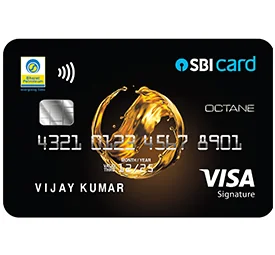
The BPCL SBI Card Octane earns 25 Reward Points per ₹100 on BPCL fuel, lubricants and Bharat Gas. At 4 points to the rupee, that is 6.25% in points, and the 1% surcharge waiver takes the total to 7.25%.
The ₹1,499 annual fee is the obvious objection, and the card answers it three ways. SBI Card credits 6,000 welcome points worth ₹1,500 on fee payment. The renewal fee is reversed on annual spend of ₹2 lakh. And unlike every other card here, the Octane earns a serious 10 points per ₹100 on dining, departmental stores, groceries and movies, plus 4 complimentary domestic lounge visits a year. If a BPCL pump sits on the daily route, the contest is not close.
RBL IndianOil and IndianOil Xtra: the IOCL pair
The RBL Bank IndianOil Xtra Credit Card is the heavyweight of the IndianOil corner: 15 Fuel Points per ₹100 at IndianOil stations, a 7.5% value-back, capped at 2,000 points a month. Add the surcharge waiver, capped at ₹200 monthly, and total savings reach 8.5%. RBL markets this as up to 250 litres of free petrol a year on monthly spends of ₹45,000. Its ₹1,500 fee is waived on annual spend of ₹2.75 lakh.
The standard RBL IndianOil Credit Card runs the same machine at half throttle: 10 Fuel Points per ₹100 (5% value-back, 6% with the waiver), 1,000 points a month, ₹500 fee waived at ₹1.75 lakh annual spend. It is the budget pick for IOCL drivers who will not clear the Xtra's fee-waiver bar.
The HPCL contender: IDFC First Power Plus
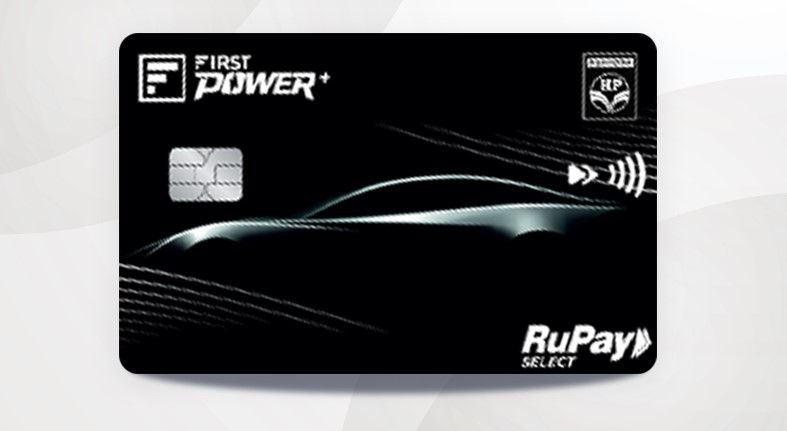
HPCL loyalists finally have a serious option. The IDFC First Power Plus Credit Card returns 6.5% in fuel savings at HPCL pumps, and IDFC First Bank publishes no monthly cap on that earn, the only uncapped accelerated rate in the category. Its ₹499 fee is the lowest of any paid card here, waived on annual spend of ₹1.5 lakh. It rides the RuPay rails, so UPI payments work and earn 3X reward points. FASTag recharges earn 5% cashback, a benefit no IndianOil or BPCL card matches. For a highway commute paid through FASTag, this is the quiet pick of the field.
Where I would skip: IndianOil Axis and IndianOil HDFC
My opinion on the remaining two is blunt. The IndianOil Axis Bank Credit Card caps its 4% earn at ₹5,000 of fuel a month: ₹200, full stop, with a surcharge waiver capped at ₹50. The IndianOil HDFC Bank Credit Card is squeezed harder still, 5 Fuel Points per ₹100 but a ceiling of 150 points (₹144) a month after the first six months. Chasing ₹200 a month is not a reason to spend a card slot, an annual fee and a credit enquiry.
If monthly fuel spend is under roughly ₹4,000, skip the fuel category entirely and pick a card for wherever the bulk of the money actually goes; flat cashback beats a capped fuel earn, and how credit card cashback works explains that math. Two narrow saves: the Axis RuPay variant earns its 4% through Google Pay, PhonePe and Paytm (the variant choice is covered in the IndianOil Axis Visa vs RuPay breakdown), and the HDFC card pairs an all-brand surcharge waiver (up to ₹250 a cycle) with the easiest fee waiver here, ₹50,000 a year. Conveniences, not reasons to apply.
See every fuel card side by side
Prose can only rank; it cannot recalculate for your tank. The fuel card comparison tool lines up every active fuel credit card with a monthly spend slider, partner-station and UPI filters, and estimated savings in rupees.
A worked example: ₹8,000 a month at the pump
Numbers settle arguments, so take a driver spending ₹8,000 a month on petrol:
- BPCL SBI Card Octane (at BPCL): 2,000 points worth ₹500, plus an ₹80 surcharge refund. About ₹580 a month.
- RBL IndianOil Xtra (at IOCL): 1,200 Fuel Points worth ₹600, plus ₹80 refunded. About ₹680 a month.
- IDFC First Power Plus (at HPCL): about ₹520 a month at its published 6.5% savings rate, with no published monthly cap.
- RBL IndianOil: 800 Fuel Points worth ₹400, plus ₹80. About ₹480 a month.
- IndianOil Axis Bank (either variant): ₹200 on the first ₹5,000, near nothing on the rest, waiver capped at ₹50. About ₹256.
- IndianOil HDFC Bank: the 150-point cap lands at ₹144, plus ₹80 waived. About ₹224.
Across a year, the gap between the Xtra and the HDFC card at this spend level is roughly ₹5,500. Caps, not multipliers, made that difference.
Match the card to your pump, not the headline rate
Below roughly ₹4,000 of monthly fuel spend, I would not apply for any of these: the capped Axis and HDFC cards return ₹200-odd a month at best, and a card matched to where the rest of the budget goes will out-earn that without the brand lock-in. From ₹5,000 to ₹13,000 a month, the Octane, the two RBL cards and the Power Plus separate strictly by which pump is already on the daily route. Keep the detour math in view: even the best return here, about ₹680 a month on the Xtra, is roughly ₹22 a day, and an off-ramp run to a co-brand pump can burn that in petrol before the nozzle is in hand. Route first, then rate. Pick the brand already on the commute, run the actual monthly figure through the comparison tool, and browse the full fuel category if station loyalty is still up for grabs.
Sources

Frequently asked
Which credit card is best for fuel in India in 2026?
The BPCL SBI Card Octane gives the strongest all-round package: 25 Reward Points per ₹100 on BPCL fuel, worth 7.25% including the surcharge waiver. The RBL Bank IndianOil Xtra reaches 8.5% at IndianOil pumps, and the IDFC First Power Plus returns an uncapped 6.5% at HPCL. Pick by pump brand first.
What is a fuel surcharge waiver on a credit card?
Petrol pumps add a surcharge of about 1% when a credit card is swiped. A fuel surcharge waiver refunds that charge, typically on transactions between ₹400 and ₹4,000 and capped monthly on most cards. Every dedicated fuel card on PickMyCard waives the surcharge; published caps range from ₹50 to ₹250.
Which fuel credit card works with UPI?
The IndianOil Axis Bank RuPay Credit Card links to Google Pay, PhonePe and Paytm, earning its 4% fuel rate on UPI payments. The IDFC First Power Plus and IndianOil HDFC Bank cards are also issued on RuPay, and the IDFC card adds 3X reward points on UPI spends. Visa and Mastercard fuel cards cannot link to UPI.
Is a fuel credit card worth it for low fuel spend?
No. Below about ₹4,000 of monthly fuel spend, the capped cards return ₹150 to ₹250 a month at best, which does not justify a card slot, an annual fee and a credit enquiry. A cashback card matched to groceries or bills recovers more. Fuel cards earn their keep from roughly ₹5,000 a month upward.
Card devaluations, reward maths, and rate changes the day they land.
Follow on X
Reader comments
No comments yet. Share your experience with this card below — the first useful comment helps every reader after you.
Comments are moderated before they appear. Share your real experience with a card — what worked, what didn't, what the bank told you. We don't publish promotional content, referral links, or personal financial details. Keep it useful for other readers.